


Recent details circulating behind the scenes of technology begin to shape the future of Apple’s main cell phone line. Unofficial information indicates that the next generation of smartphones from the Cupertino giant will bring the A20 processor, significant leaps in image capture, deep integration of artificial intelligence and an unprecedented reformulation in the devices’ distribution calendar.
Although the manufacturer maintains its traditional absolute secrecy about ongoing projects, movements in the supply chain indicate a historic rupture in the way products reach the shelves. The main strategic change would involve separating the announcement dates between the premium versions and the entry-level editions, drastically changing the purchasing dynamics of consumers awaiting annual news.
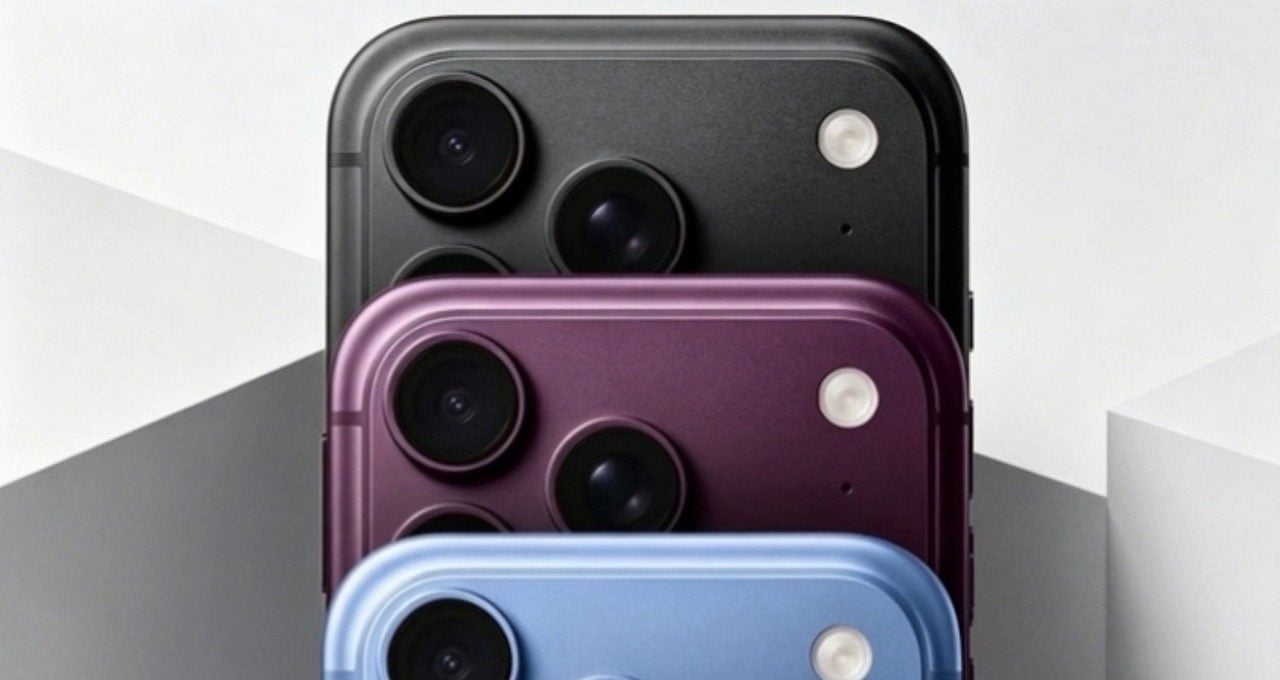
If this scenario materializes, the company’s focus will no longer be an external visual redesign to prioritize internal performance. The engineering effort appears focused on optimizing energy expenditure, refining photographic lenses and expanding neural processing capabilities, ensuring that the software handles complex tasks natively and without relying on external servers.
New calendar may divide the arrival of Pro and entry-level versions
Industry experts project that the iPhone 18 Pro and Pro Max variants will make their debut in September 2026, maintaining the usual autumn window in the northern hemisphere. Along with these elite models, bets are growing about the unveiling of the brand’s first foldable device. On the other hand, the more affordable editions, possibly called iPhone 18 and iPhone 18e, would be reserved for the first quarter of 2027, breaking a pattern of simultaneous launches that has been in place for more than a decade.
Hardware advancements include 2-nanometer lithography and adaptive lenses
The main driver of this new family of cell phones will be the introduction of the A20 architecture. The more expensive versions must house the A20 Pro chip, manufactured using the unprecedented 2 nanometer process — a considerable leap compared to the current 3 nanometers, allowing many more transistors to be allocated in the same physical space. Meanwhile, entry-level devices will receive a standard version of the component, but both will share notable gains in speed, battery savings and cores dedicated exclusively to machine learning.
The photographic department will receive special attention from engineers, with strong rumors indicating the adoption of a variable aperture in the main lens of premium models. This mechanical technology allows you to physically adjust the amount of light that reaches the sensor, delivering a more natural background blur and much sharper night images, something that competitors have tested in the past, but which now gains Apple’s computational refinement. At the same time, new materials applied to screens promise higher brightness peaks with lower energy consumption.
To support the requirements of the Apple Intelligence package, the leaks suggest a jump to 12 GB of RAM in the Pro editions, representing a 50% increase compared to the 8 GB adopted in recent generations. Other aesthetic changes include a reduction in the size of the Dynamic Island cutout at the top of the display, although the long-awaited facial recognition technology (Face ID) hidden under the screen is still considered unlikely for this crop of phones.
Financial impact and cost projections for the end consumer
Official values remain under lock and key by the company’s management. However, financial analysts who monitor the production chain warn that the adoption of cutting-edge semiconductors and complex camera modules will inevitably increase the manufacturing cost of the iPhone 18 Pro, passing this increase on to stores. The entry-level variants must maintain a more conservative price list, seeking to attract the public that wants to join the ecosystem without spending exorbitant amounts.
Market expectations regarding the promised innovations
The entire current panorama is based on reports from Asian suppliers and market readings, without any corporate endorsement. If predictions align with reality, consumers will witness one of the biggest generational leaps in terms of embedded artificial intelligence and autonomy of use, in addition to a bold commercial restructuring. The public can only wait for the company’s official events to confirm which of these innovations will leave the design drawing boards straight into the hands of users.
The technology industry will continue to monitor every movement at partner factories over the next few months, as any adjustments to the assembly line often anticipate announcements that redefine the standard for the global mobile device industry.




