
What is the phase of the Moon today, July 30th? See how the star appears in the sky


Earth’s natural satellite is on the first day of the full phase on July 30, 2026, with 98% of its surface visible. The information, based on data from the National Institute of Meteorology (Inmet), details the complete calendar of lunar phases for this month, providing an overview of the evolution of the star in the sky.
Track the current phase of the moon and its illumination
For July 30, 2026, Inmet indicates that the Moon is in the waning gibbous phase, presenting 99% illumination. This stage occurs as a transition between the full and waning moon, indicating that the luminosity begins to gradually decrease.
Calendar of upcoming lunar phases for the period
The next transformations of the lunar cycle, with times adjusted to the Brasília time zone and orientation towards the southern hemisphere, include:
- Last Quarter: August 5th, at 11:31 pm
- New moon: August 12, at 2:41 pm
- First Quarter Crescent: August 19, at 11:42 pm
- Full moon: August 28th, at 01:21 am
- Last Quarter: September 4th, at 5:03 am
- New moon: September 11th, at 00:27
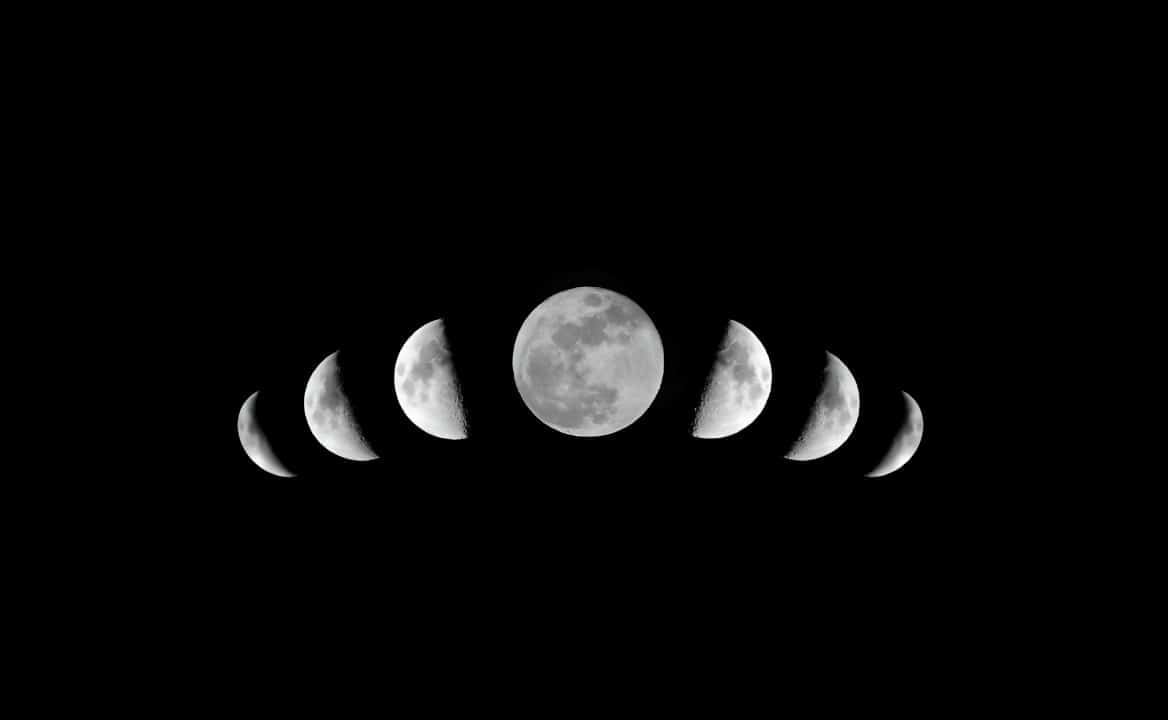
Where do the phases of the moon fit in the month of July 2026
The July 2026 lunar cycle began on July 7, with the arrival of the Waning Moon at 4:30 pm (Brasília time). Then the New Moon occurred on July 14th at 6:45 am. The Crescent phase began on July 21, at 8:05 am, and the Full Moon appeared on July 29, at 11:37 am.
Understand the concept of lunation and its phases
A lunation, also known as a lunar cycle, corresponds to the average period of 29.5 days that the Moon takes to complete one revolution around the Earth. This cycle begins with the new phase and ends with the waning phase, marking the complete transition of the star.
Full Lunar Calendar July 2026 Details
The exact dates and times of the main phases of the Moon in July 2026 were:
- Waning Moon: July 7th, at 4:30 pm
- New Moon: July 14th, at 6:45 am
- Crescent Moon: July 21st, at 8:05 am
- Full Moon: July 29th, at 11:37 am
The nuances and variations of the lunar cycle
The interval between two new moons, known as lunation or lunar cycle, has an average duration of 29.5 days, although it can vary subtly. Throughout this period, the Moon goes through its four main phases — new, waxing, full and waning —, with each of them lasting about seven days.
In addition to the main phases, there are also so-called “interphases”. Between the new and full moon, the first quarter and the gibbous crescent occur. Between the flood and the waning, the gibbous waning and the waning quarter are observed.
Characteristics and meanings of each phase of the moon
Understand the new moon phase and its visibility
During the New Moon, the star aligns itself between the Earth and the Sun. This position causes the illuminated side of the Moon to face the Sun, while the dark side faces our planet. Consequently, the Moon is not visible in the night sky. This period marks the beginning of a new cycle and is often associated with beginnings and new opportunities.
The growth of light during the waxing moon
After the New Moon, the Crescent phase begins. Gradually, an illuminated portion of the Moon begins to appear in the sky, expanding each night. Initially, only a narrow arc of light is visible which, over time, increases until half of the Moon is illuminated, forming what is called the First Quarter. This phase represents growth, evolution and the construction of new directions.
The fullness and intense brightness of the full moon
When the Moon is full, the Earth is positioned between the Sun and the satellite. This arrangement means that the lunar face facing us receives full sunlight, appearing fully visible and luminous in the sky. This is the peak of luminous intensity, with the Moon appearing on the horizon at the exact moment the Sun sets. The Full Moon is generally linked to completeness, the culmination of events and the maximum manifestation of energy.
The transformations and reflection of the waning moon
After the Full Moon, lunar luminosity begins to progressively decline. Each night, a smaller portion of its surface is illuminated. The moment when only half of the lunar disk is visible is known as the First Quarter, which is the opposite of the First Quarter. The Moon continues to lose brightness until it returns to the New phase, starting the cycle again. This Waning phase represents introspection, completion of stages and preparation for future beginnings.
The current moon phase detailed for the reader
On July 30, 2026, according to information from Inmet, the Moon is beginning its full phase, classified as gibbous waning and with 98% of its surface illuminated.





