
Kia Niro 2026 surpasses rivals and reaches historic consumption mark on the road


In the past, brute strength and the ability to pull trailers dictated the rules in the world of sports utility vehicles, but the current scenario requires vehicles that visit gas stations less. Driven by the global rise in the prices of petroleum derivatives and the energy transition, the automotive industry needed to reinvent its engines with turbochargers and electrified systems to deliver the maximum possible autonomy to drivers.
Today, utility vehicles serve a diverse routine that rarely involves mud or heavy towing, making electrified variants the perfect choice for those looking to combine interior space and low running costs. Within this disputed category, the South Korean automaker achieved a notable feat in this launch cycle, placing one of its vehicles at the top of the efficiency ranking on road journeys.
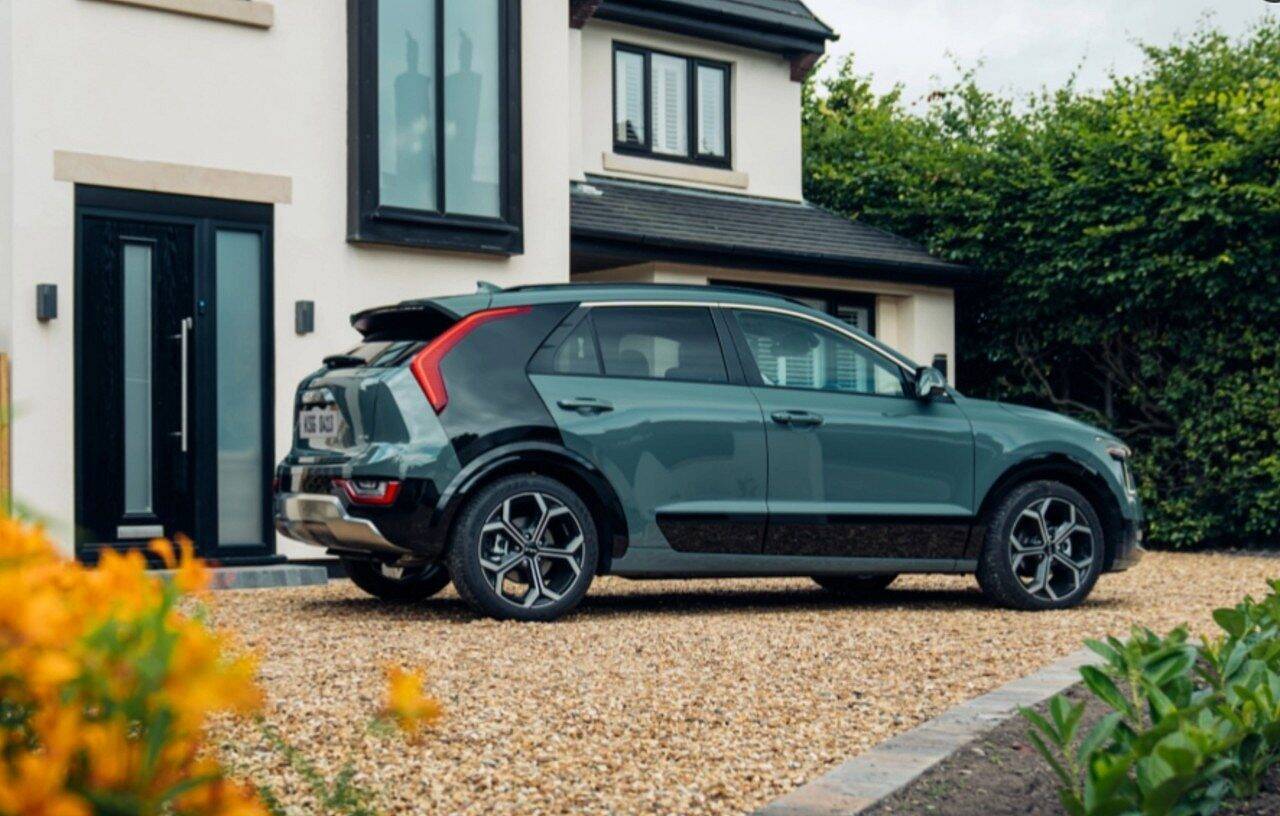
Long-haul performance defines the true utility of electrified utility vehicles
Traditional analysis of battery-powered cars tends to focus on behavior in heavy traffic in cities, leaving aside a considerable portion of drivers’ routines. Even with predominantly urban use, families depend on these cars for vacation trips and intercity trips, requiring the engine to deliver consistent results outside the city.
The stop and go traffic jams favor electrified technology, which takes advantage of braking to regenerate the charge and uses electricity to move the car at a slow pace. The real technological challenge appears when the speedometer rises on expressways, at which point the benefits of the electric motor decrease dramatically.
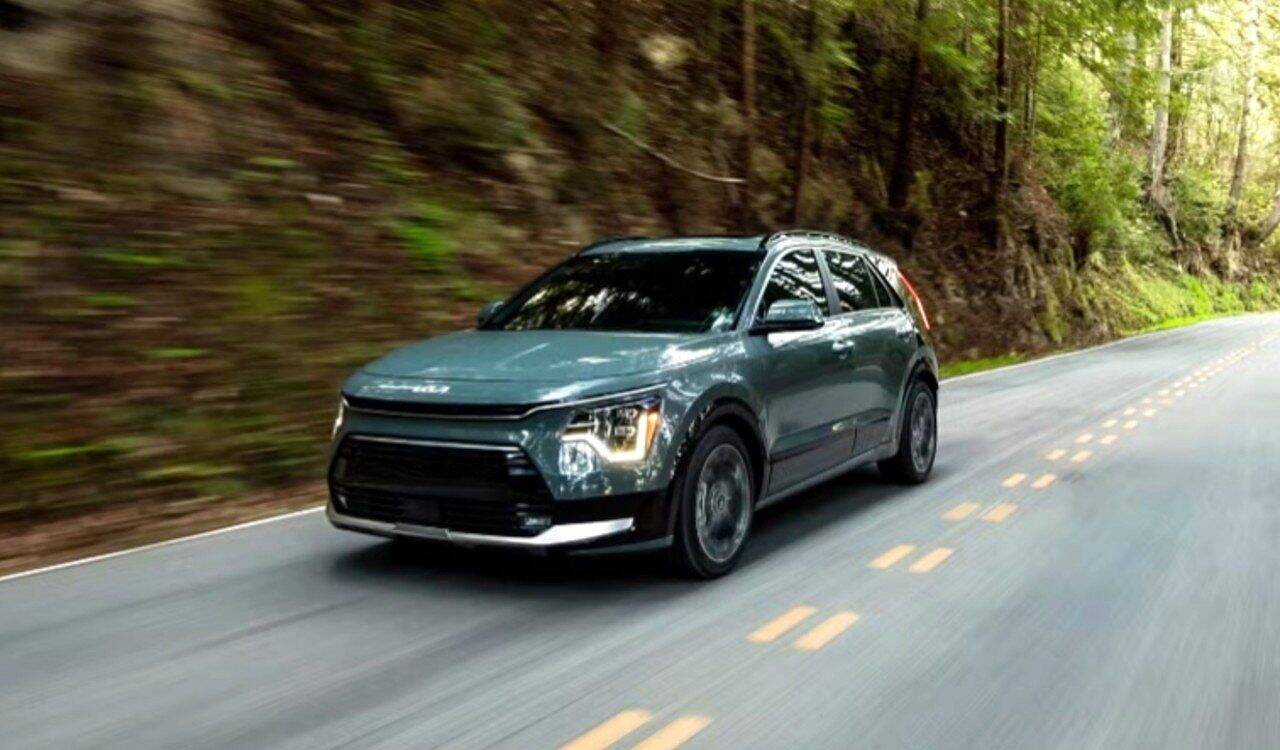
Numbers obtained in city traffic can deceive inattentive consumers
Away from traffic lights, energy regeneration opportunities plummet, the wind acts as a severe physical barrier and the combustion engine needs to work almost uninterruptedly. When a utility manages to spend little in these adverse conditions, it is clear that the engineering behind it is sophisticated, going beyond simple calibration for laboratory tests.
Models that boast incredible brands in the urban cycle attract the attention of those who live in daily traffic jams, but this advantage can disappear on the first vacation trip. A classic case of this disparity is the 2026 Toyota RAV4, which promises an impressive 44 mpg overall, but hides a huge variation depending on where it is driven.
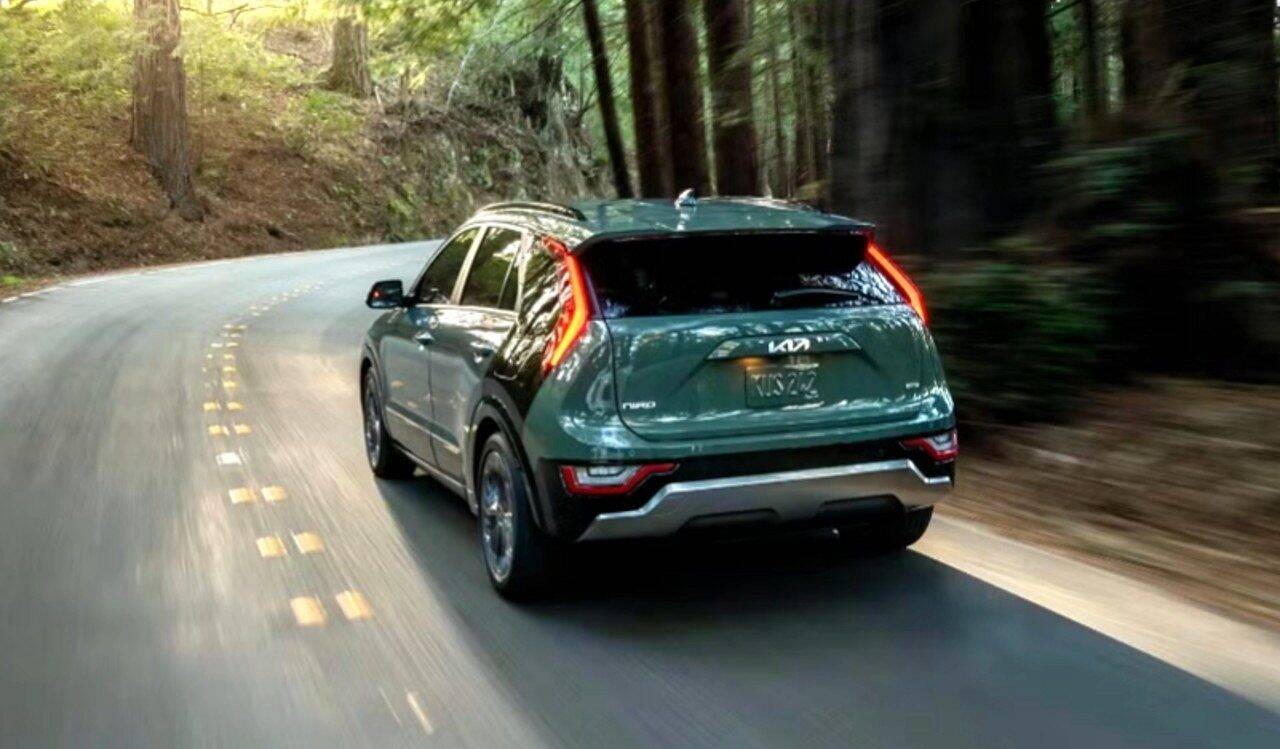
Official data from the Japanese manufacturer shows that the front-wheel drive version of the RAV4 achieves 48 mpg on the streets, but drops to 42 mpg when it hits the highway. For those who travel frequently, this seemingly harmless difference results in much more constant stops to refuel and a high monthly cost.
The scenario repeats itself in the luxury segment with the 2026 Lexus NX 350h AWD, which boasts a promising average of 39 mpg. The brilliance of the 41 mpg recorded in the urban cycle quickly loses strength when you realize that the car only achieves 37 mpg at cruising speed.
Modern engineering seeks to balance energy expenditure on any type of road
The new generation of family vehicles with dual engines has abandoned the exclusive obsession with urban numbers to focus on dynamic balance. The 2026 Hyundai Tucson Hybrid perfectly illustrates this paradigm shift, proving that fine-tuning mechanics ensures economical travel.
Records from the government agency FuelEconomy.gov reveal that the Tucson’s Blue configuration, which does not require a plug for recharging, achieves an average of 38 mpg, maintaining exactly the same 38 mpg both in heavy traffic and on American highways.
This stability of consumption reflects the reality of the modern consumer, who has swapped weekend hikes for trips to the supermarket and family trips. The ideal design of a contemporary sports utility vehicle is one that does not punish the owner’s wallet when the road speed limit increases.
Configurations of the new South Korean utility break records on highways
Distancing itself from its competitors, the Kia Niro Hybrid 2026 easily tops the table, consolidating itself as the most energy-saving utility vehicle without external recharging of the year on road trips. The automaker’s catalog divides the model into LX, EX, SX and SX Touring options, with the most expensive variant delivering an average of 49 mpg, according to federal tests.
Breaking down this result, the SX Touring configuration records 53 mpg on urban roads and 45 mpg when subjected to highway speeds.
The big advantage, however, is in the LX, EX and SX versions, which achieve an overall average of 53 mpg, divided into 53 mpg in the city and a surprising 54 mpg on the highway, which is equivalent to an impressive 22.9 km/l, an absolute benchmark for the category that helps to understand the real impact of this economy on the driver’s pocket. The drop in performance of the top-of-the-line model occurs exclusively due to the use of 18-inch wheels, while the others wear 16-inch rims, surpassing strong rivals such as the Toyota Prius 2026 and crushing the single-wheel drive Honda CR-V 2026.
It is important to highlight that independent assessments made by drivers in real travel conditions indicate that road performance usually fluctuates between 48 and 50 mpg, being directly influenced by the weight of the foot on the accelerator and the flow of vehicles.
Engine and gearbox architecture prioritizes economy over sportiness
Under the hood, the automaker simplified the offer by making just one arrangement available: the 1.6 GDI four-cylinder block working together with a 32 kW electric powertrain, managed by an automated six-speed dual-clutch gearbox. The system generates 139 horsepower and 195 foot-pounds of torque, sending power exclusively to the front axle, a technical decision that eliminates the extra weight of all-wheel drive and boosts efficiency numbers.
With this cavalry contained, the car needs 8.9 seconds to reach 96 km/h, a detail that goes unnoticed by those whose main goal is to avoid gas stations. The choice of a six-speed dual-clutch transmission, instead of the traditional continuous gearboxes used by the competition, allows the engine to rotate low and calmly at cruising speed, cutting down on fuel waste and acoustic discomfort in the cabin.
The electrical part





