


The global mobile device industry is redefining the standards of digital photography, driving a new generation of high-cost cell phones. The current focus of major brands is on expanding optical approximation capabilities and deep integration of intelligent algorithms. This movement occurs because image quality has become the main purchasing decision factor for demanding consumers, even surpassing battery life in recent market research.
The physical size of capture components plays a crucial role in visual fidelity, especially in low-light environments. Larger lenses can absorb a greater number of photons, which translates into clearer records with less digital noise. Historically, the challenge has always been to fit these robust parts into thin bodies, but advances in hardware engineering have made it possible to overcome this physical limitation.

- Greater light absorption capacity for challenging nighttime scenarios.
- Significant expansion of dynamic range, balancing light and dark areas.
- Enhanced natural background blur, raising the quality of portraits to an almost professional level.
However, isolated hardware no longer dictates the rules of the game. Computational photography has taken center stage, using neural processors to correct imperfections, adjust colors and optimize focus in fractions of a second. This marriage between precision lenses and data processing transforms average captures into spectacular results before the user even sees the image on the screen.
Innovations in the optical approximation system of the Huawei Pura 80 Ultra model
The Chinese giant’s device draws attention for incorporating a retractable lens mechanism coupled to a 50 MP main sensor, an engineering reminiscent of traditional compact cameras. This mechanical structure allows for an optical zoom variation that varies between 3.7x and 9.4x without loss of resolution. In addition, the equipment offers advanced features for macro photography, allowing you to focus on extremely close objects with impressive clarity.

To complement the photographic set, Ultra Lightning HDR technology was implemented to guarantee ultra-fast captures, freezing sudden movements with precision. The system promises 1.5 times greater light input compared to the previous generation, making it easier to record sports or action scenes. In the video department, the device supports recording in 4K resolution at 60 frames per second, maintaining fluid stabilization even in adverse conditions.
What to expect from image updates on the future iPhone 17 Pro
The Cupertino company’s next bet should revolve around a 48 MP main system, commercially named the Fusion camera. Supply chain leaks indicate that the brand plans to make a significant leap in zoom capability, offering up to 8x optical zoom. This change would represent the biggest evolution in the line’s telephoto lens since the introduction of the tetrahedral prism design.
The rear set should also receive an updated ultra-angular component, possibly around 18 MP, ensuring landscapes richer in details. The well-known LiDAR scanner will continue to be present for fast three-dimensional mapping, working in conjunction with Smart HDR 5 processing. This combination aims to deliver more accurate skin tones and realistic textures in any lighting condition.
Video recording, the brand’s traditional stronghold, will gain support for Dolby Vision technology in 4K at 120 frames per second. Another strategic focus is spatial media capture, designed specifically to be consumed on the company’s mixed reality headset, creating immersive memories with authentic depth of field.

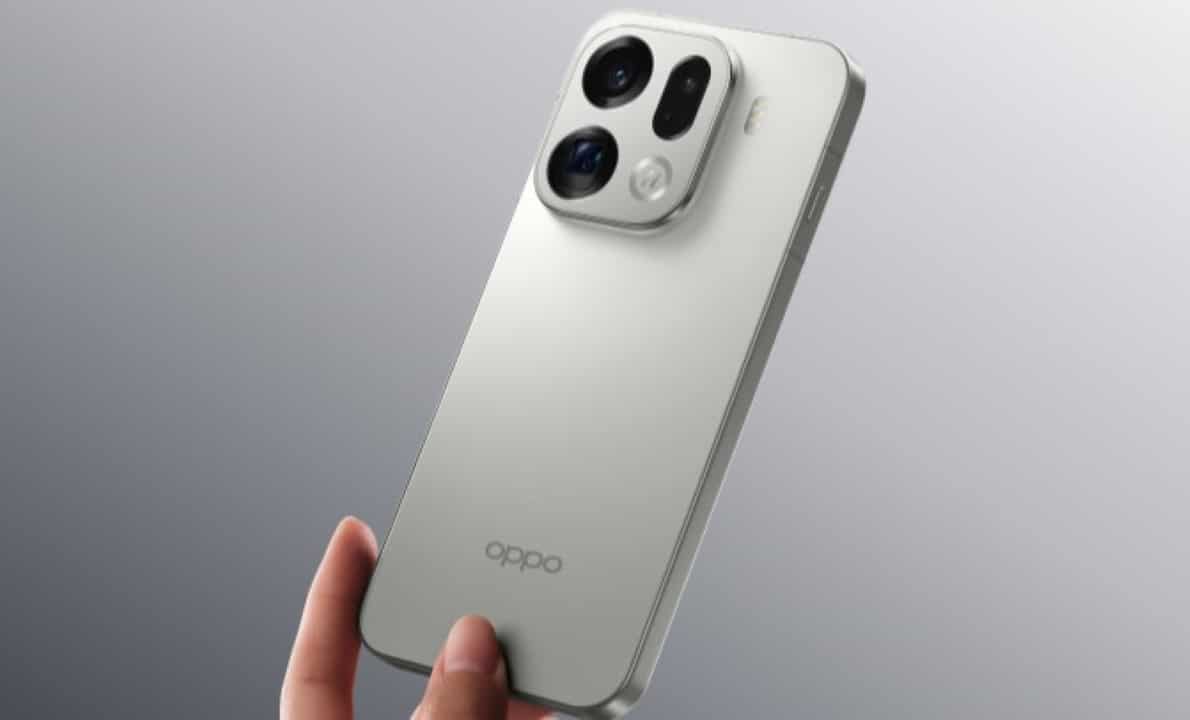
Bet on dual high-resolution sensors on the Oppo Find X9 Pro
The Asian manufacturer is preparing a heavy arsenal for its next top of the line, equipping it with a very high fidelity 50 MP primary lens. The big difference, however, lies in the inclusion of an impressive 200 MP telephoto sensor. This dual architecture seeks to completely eliminate image degradation that often occurs when the user tries to photograph distant elements.
In terms of light capture, the engineering applied promises a 140% increase in light absorption compared to direct competing models. Native support for the BT.2020 color gamut ensures that recorded tones are as close as possible to what the human eye sees, delivering vibrant contrast and absolute blacks.

The periscopic lens system will guarantee a 3x optical approximation, ideal for portraits without facial distortion. When combined with artificial intelligence processing, digital zoom can reach the extreme 120x mark. Although magnifications of this level often result in pixelated images, new reconstruction algorithms promise to maintain defined contours.
Excellence is not






