Price of the RTX 5080 at Best Buy surprises and exceeds suggested value of RTX 5090 By Janderson Luiz
4 min read
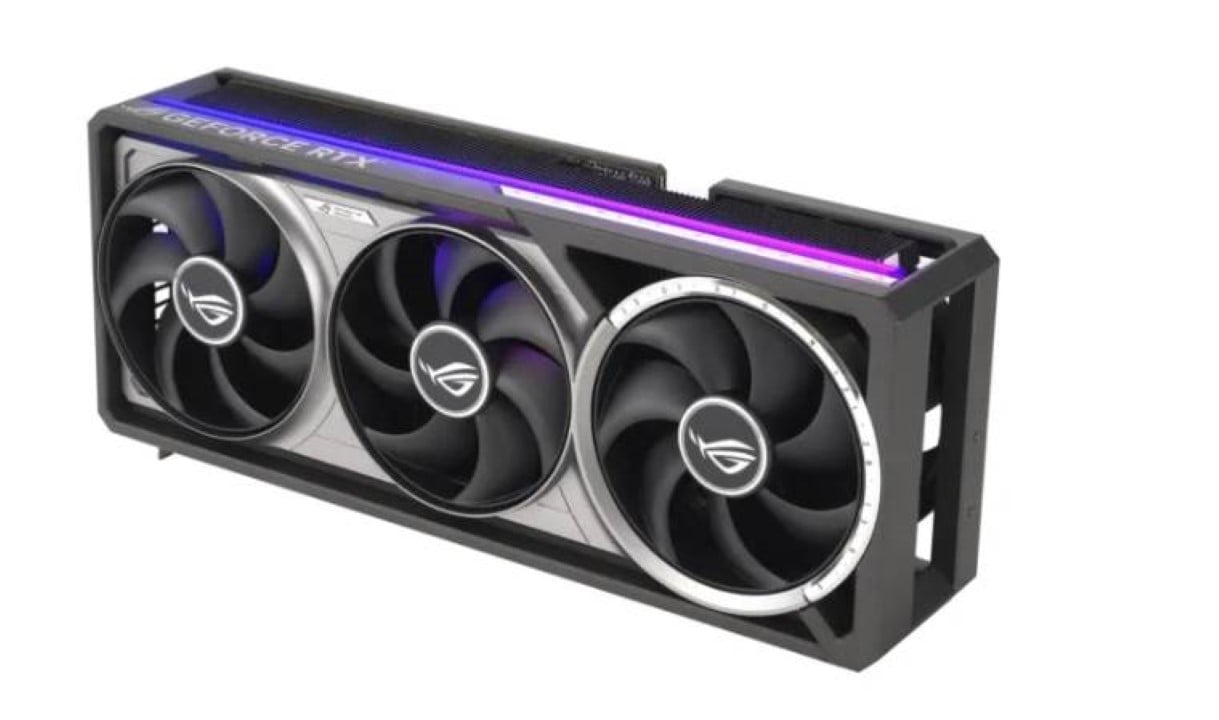 |
The Asus ROG Astral RTX 5080 OC graphics card is being offered by Best Buy for $2,099, an amount that exceeds the suggested retail price for the RTX 5090. This retail cost increase was noted on July 30, 2026, and represents a significant change in the pricing policy of high-performance hardware. The customized version of the RTX 5080, which was launched for US$1,499, is now sold at a price 40% higher than its initial cost, signaling a scenario of continued growth in the graphics components market.
Escalating graphics card prices
The Asus ROG Astral RTX 5080 OC, a specific model manufactured by Asus, recorded a notable jump in its sales value. Initially launched on the market for US$1,499, the graphics card is now sold for US$2,099 at Best Buy. This price adjustment positions the component above what is expected for the next generation, the RTX 5090, which has a suggested price of US$1,999.
Furthermore, the current cost of the ROG Astral RTX 5080 OC is more than double Nvidia’s suggested price for the RTX 5080 Founders Edition, which is US$999. The 40% difference compared to the launch value reflects a worrying market trend for consumers. Industry experts point out that this could be an indication of future valuations for other video cards.
Factors behind high retail costs
The increase in prices for high-performance video cards is directly linked to a combination of economic and production factors. The global shortage of components, especially RAM, plays a key role in driving up manufacturing costs. This limited supply scenario directly impacts the final retail price of products.
The global semiconductor shortage, worsened by geopolitical issues and interruptions in the production chain, continues to directly impact the technology sector. The shortage of chips, vital for the manufacture of GPUs and other components, creates an imbalance between supply and demand, driving prices upward. This challenging scenario has continued for a prolonged period, affecting both large manufacturers and end consumers.
Recent reports indicate that graphics chip manufacturer Nvidia plans to implement a series of price increases for its GPUs. Projections point to increases of 20% to 30% in the coming months, marking the third adjustment in a year. Such movements reflect pressure on the supply chain and heated market demand.
- Several issues contribute to the current appreciation of hardware components:
- Persistent shortages of chips and other electronic components.
- Global increase in prices for RAM memory, essential for GPUs.
- Manufacturers’ pricing strategies to deal with production costs and demand.
- Currency fluctuations that affect imports and logistics costs.
How the GPU market has reacted to these changes
Although the Asus ROG Astral RTX 5080 OC has a high price at Best Buy, other versions of the RTX 5080 can still be found for lower prices. At different retailers, including Asus itself, the same model can be purchased for US$1,899, although it is still higher than the launch price. This variation suggests that the adjustment is not uniform across the market.
The Asus ROG Astral RTX 5080 OC, being an “Overclocked” (OC) version, already hits the market with superior performance and, consequently, a higher price compared to reference models. However, even considering this feature, Best Buy’s increase to $2,099 is atypical.
However, the general outlook indicates that the persistence of component shortages and the increase in RAM memory could lead to similar increases in other RTX 5080 video cards. The tendency is for more models to follow the appreciation curve observed in the Best Buy item. The hardware industry is attentive to market movements. Pressure on component supply has generated notable consequences, such as the resurgence of GPUs with smaller VRAM capacity. Models such as the ASRock AMD Radeon RX 9050 Challenger, equipped with 4 GB of VRAM, reappeared on the market. This phenomenon demonstrates the difficulty for manufacturers to meet demand with more advanced and affordable chips.
Impact on consumers and future prospects
The rising price scenario in the GPU market represents a considerable challenge for consumers, especially for gamers and professionals who depend on high graphics performance. Difficulty in purchasing video cards at affordable prices can delay system upgrades or force the choice of less powerful models. Technology enthusiasts are the most affected by this reality.
For the future, prospects indicate that pressure on component prices should continue. Unless there is stabilization in the supply chain and pricing policies of large manufacturers, consumers will need to adapt to higher prices. Investing in cutting-edge technology is becoming increasingly costly. Monitoring offers and comparing prices in different stores is essential for anyone looking for a new graphics card. Even with widespread increases, opportunities to purchase specific promotions or alternative models may still arise. In-depth research is an important tool right now.
This high price outlook not only affects individual consumers, but also the PC Gaming industry and the hardware market in general. The cost of components can slow down the innovation cycle and the adoption of new technologies, directly impacting game and software developers who depend on updated hardware. The market dynamics are complex and interconnected, and the consequences extend to different sectors of the digital economy.