
Square Enix abandons exclusivity and releases Final Fantasy VII ending for everyone

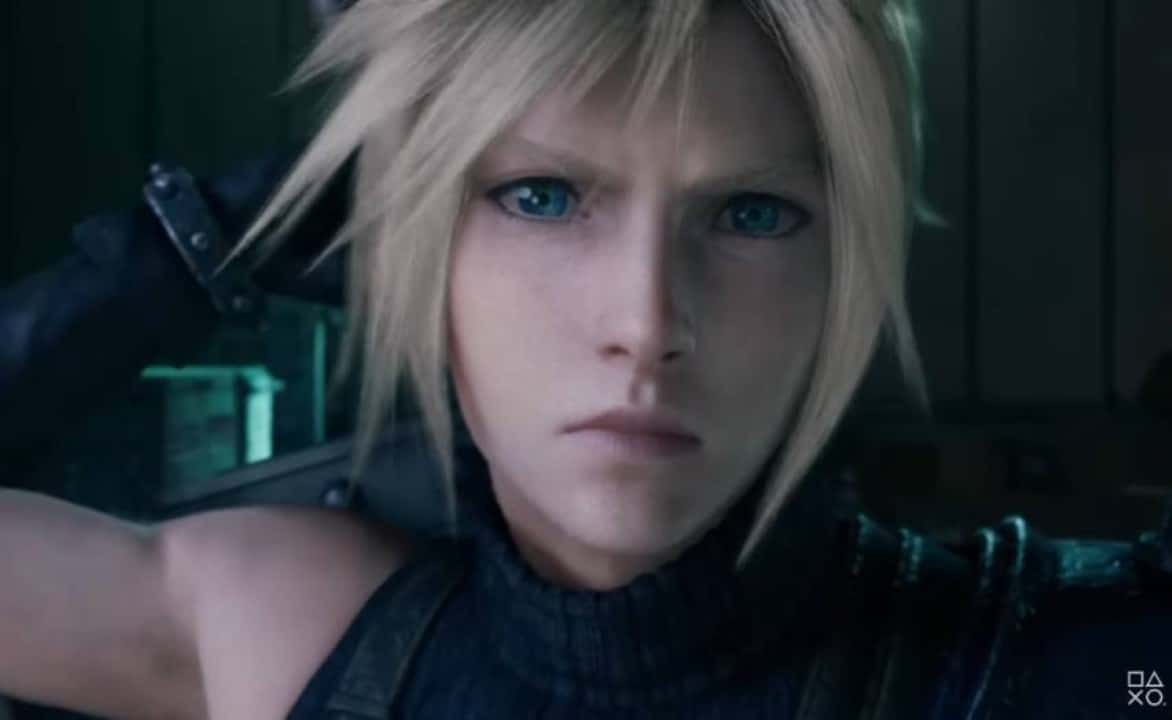
The Japanese gaming giant, Square Enix, has decided to radically change its commercial route for upcoming releases. The long-awaited conclusion of the trilogy that reimagines the classic Final Fantasy VII will not be tied to temporary exclusivity contracts with any manufacturer. This new stance ensures that the title reaches the virtual shelves of several systems simultaneously, on the day of its release. The main objective of this maneuver is to stop the financial bleeding and correct the sales stumbles seen in the first two parts of the saga.
With the new guideline, Cloud Strife’s ultimate adventure will arrive on computers and competing desktop consoles at the same time. The tactic of spreading the launch across multiple fronts responds to the urgency of capturing a much larger player base right away. Company executives noted that restricting a colossal budget title to just one device stifles revenue in the first few weeks, a period considered the most profitable for the digital entertainment industry.

The current distribution schedule breaks with the limiting agreements that have dictated the pace of the gaming market over the last decade. By placing the final product in as many storefronts as possible, the company plans to accelerate financial returns and prevent the fan base from fragmenting. Previously, many enthusiasts simply forgot about the existence of the work after months of waiting for it to be adapted for their preferred machine.
New commercial strategy tries to reverse the producer’s recent losses
The transformation in the way it delivers its biggest hits is part of a deep restructuring plan, internally called “Square Enix Reboots and Awakens”. The board concluded that superproductions, whose development and marketing budgets easily exceed hundreds of millions of dollars, became unsustainable when tied to a single brand of hardware. Adopting an aggressive multiplatform stance serves as a shield against the risk of commercial failure, ensuring a much more robust and constant inflow of capital.
Recent fiscal balance sheets revealed a sharp drop in the company’s operating profits, showing that the money paid by manufacturers to guarantee exclusivity does not cover the hole left by the lack of sales of other devices. Under the new format, programmers are tasked with structuring the code to run on different architectures from the first day of work. This requirement eliminates the need to create late conversions, a process that consumes valuable time and drains studio coffers.
How Exclusivity Hurt Sales of Previous Parts
The inaugural chapter of this recreation, made available in 2020, hit stores as an exclusive asset for the PlayStation 4. Those who owned other machines had to wait more than a year to explore the city of Midgar, later receiving an improved edition on the PlayStation 5 and, much later, on computers. This long hiatus cooled the spirits of a significant portion of the community and caused the heavy investment in advertising to lose strength over the months.
The continuation of the story, released in early 2024, repeated the same restrictive formula by focusing solely on Sony’s latest hardware. To this day, owners of computers and other video games remain in the dark, without any prediction of when they will be able to purchase the title. This barrier to access pushed thousands of potential buyers onto video platforms, where they passively consumed the narrative, which inevitably diminishes their willingness to spend money when the commercial lockdown finally ends.
By announcing the simultaneous release of the third act, the developer aims to transform the debut into a global cultural phenomenon. The goal is to allow all fans to buy and play at the same time, creating an avalanche of debates and theories on social media. This organic engagement works as free and highly effective advertising, capable of boosting sales numbers during the critical launch window.
Advances in creating the outcome of Cloud Strife’s journey
The project leaders have already confirmed that the narrative skeleton of the closure has been fully outlined. With the script finalized, the original actors are preparing to begin dubbing sessions in the next few days. This milestone signals the end of the planning phase and the beginning of heavy production, at which point the art team and software engineers begin to create the definitive maps and program the final clashes.
Reusing the graphics engine and tools built for the 2024 title gives the studio immense agility. As the foundation of the combat system, the artificial intelligence of the enemies and the modeling of the protagonists have already been reviewed by the public, the creators have free time. All this saved effort will be redirected to expanding the explorable scenarios and calibrating performance on the various systems that will run the adventure.
Need to reach millions of players to cover costs
The high-caliber gaming industry has reached a level of technical demand that makes astronomical sales a matter of survival. Maintaining teams with hundreds of specialists working uninterruptedly for half a decade costs a fortune, forcing companies to fish in the biggest aquarium possible. The old model of closing exclusive partnerships has become a financial trap in times of global inflation and skyrocketing operating costs. By releasing the outcome of Final Fantasy VII on all fronts, Square Enix unlocks the door to tens of millions of consumers across the computer ecosystem and rival consoles, maximizing profit potential.
Optimization obstacles when programming for multiple machines
Developing a project of such magnitude for different devices at the same time creates a complex puzzle for engineers. Each video game has its own way of dealing with image processing, memory allocation and reading data from disk. The technical team’s big challenge is to deliver a visually stunning, stutter-free journey in every edition, ensuring that weaker hardware doesn’t drag down the quality level of the entire project.
In the world of computers, programmers’ headaches multiply due to the infinite number of video cards and processors available. To get around this, developers need to build in a highly elastic settings menu. This tool allows the game to run in a dignified manner on machines built five years ago, but also to release extremely high-resolution textures and realistic light effects for those with cutting-edge equipment.
As for desktop consoles, the focus of the work lies in squeezing every drop of power from immutable hardware. Having a standardized architecture helps technicians quickly find the points where the game gets stuck, but it requires exhaustive fine-tuning. The ultimate goal is to keep the fluidity of the image intact even when the screen is filled with magic, explosions and dozens of enemies, a non-negotiable feature for fans of the franchise.
Even in the face of this mountain of challenges, modern build engines greatly simplify the code export process. Versatile tools allow the heart of the game to remain exactly the same in every version. The most profound changes are restricted only to the final layer of graphics processing, where each machine receives specific instructions to draw the characters on the screen.
End of the mystery and fight against story leaks
The fan community is counting down the days to find out how the writers will tie together the complex timelines and drastic changes presented since the beginning of the project. The directors guarantee that the conclusion will live up to the historical weight of the 1997 classic, delivering new twists even for those who know the original material by heart. The strategy of launching everything on the same day also works as a shield against leaks, ensuring that no group of players has their experience spoiled by early revelations on the internet.
End of console wars shapes the future of entertainment
Square Enix’s turnaround mirrors a movement of no return in the global technology and entertainment scenario. The biggest conglomerates in the sector have finally understood that the old war of exclusivity hurts the entire industry, slowing down the expansion of established brands and crushing profit margins. Embracing multiplatform distribution strengthens the name of franchises, allowing them to reach sections of society that previously completely ignored the product.
Other market powers are already following this same path, transporting their most valuable mascots and universes to the systems of competing companies. The tearing down of these commercial walls represents a gigantic victory for the consumer. Now, the player gains the autonomy to invest in the hardware that best meets their needs, without the constant fear of being excluded from the biggest cultural phenomena of the year.





