

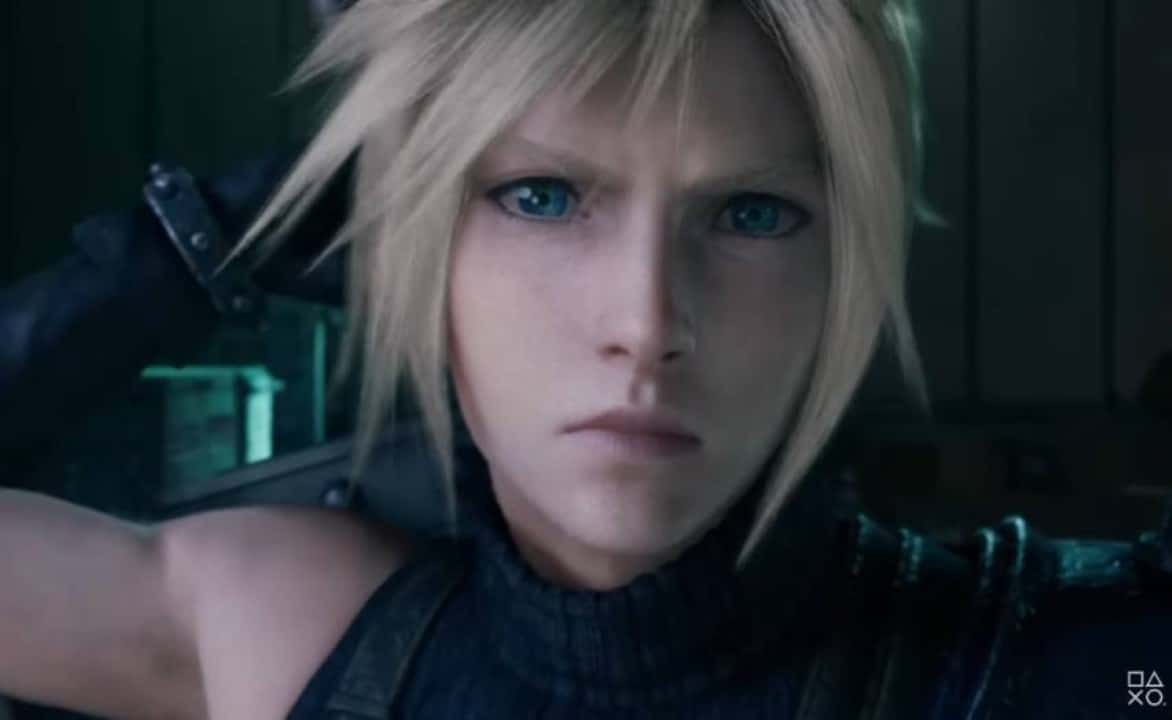
Japanese developer Square Enix has made a historic decision to release the final chapter of the trilogy that recreates the classic Final Fantasy VII. Breaking a tradition of exclusivity with the PlayStation brand that had lasted since the late 1990s, the company guaranteed that the next title will arrive simultaneously on computers, the PlayStation 5 and the Xbox Series X|S consoles. The new commercial strategy seeks to guarantee a massive player base on the opening day, aiming to boost profits immediately.
The main reason behind this radical change is to avoid community division, a serious problem faced during the life cycle of “Remake” and “Rebirth”. The production company’s executives realized that forcing PC users and Microsoft devices to wait long periods destroys organic engagement on the internet. By placing the product on all digital storefronts at once, the corporation plans to recover the high investment required by large-scale games, which today face a very challenging economic scenario.

Square Enix restructuring plan prioritizes immediate global reach
The simultaneous arrival on multiple platforms is a direct reflection of the producer’s internal modernization program, known behind the scenes as “Reboot”. After evaluating the latest financial statements, the company’s top management understood that restricting a launch to a single piece of hardware drastically limits the profit margin, something unsustainable given today’s million-dollar budgets. With the new rule, gigantic franchises, such as Kingdom Hearts and the Final Fantasy series itself, must be made available to the widest possible audience as soon as development is completed.
Led by experienced producer Yoshinori Kitase, the team responsible for the project works quickly to avoid repeating the commercial bottlenecks seen in the previous title. By integrating creation for different systems from the beginning of the programming cycle, engineers can adapt code for each architecture without causing schedule delays. This technical approach prevents Microsoft’s desktop and video game versions from looking like botched ports, delivering a high-quality experience for all buyers.
Financial sector experts believe that this breaking of the barrier is a gigantic triumph for Microsoft, which has always had difficulty attracting major RPG games produced in Japan. With the continued growth of Game Pass and the strength gained after the purchase of Activision Blizzard, leaving out Xbox consumers in Europe and the United States has become a mathematical error. The confirmation of the game on Xbox Series X|S on day one demonstrates that the eastern developer decided to treat all communities with the same respect, ending the long wait for fans.
Negative impacts of temporary exclusivity on sales of previous games
To understand the importance of this strategic shift, simply analyze the brand’s recent trajectory. The first part of the recreation project debuted on PlayStation 4 in mid-2020 and was stuck in the Sony ecosystem for more than twelve months, even gaining a package of visual improvements before finally appearing on Steam and the Epic Games Store. This long hiatus caused the interest of computer players to plummet, drastically reducing the cultural impact that the work would have had if the entire world had been playing at the same time.
The same logistical stumble happened at the beginning of 2024, when Final Fantasy VII Rebirth hit stores only for the PlayStation 5. Even though it received very high marks from the press and accumulated award nominations, investor reports showed that the title did not meet sales targets, mainly because the current generation console still has fewer owners than the previous device. The exclusivity lock left millions of potential buyers out of conversations and theories on social media, a mistake the company promised not to make again.
The conclusion of this trilogy has everything to become a historic event in the entertainment market, combining a deep story with an extremely refined action system. The new vision of the 1997 classic will reach its peak, and the absence of exclusivity contracts creates the perfect environment for everyone to discover the outcome of the Cloud Strife saga. The company’s internal objective is for revenue to quickly cover production costs, which often exceed 100 million dollars, betting on the volume of copies sold in the initial weeks.
Technological advances and news expected at the end of the trilogy
From a programming point of view, the big obstacle is ensuring impressive graphics that run perfectly on the Xbox Series X, PlayStation 5 and powerful desktop machines. Using cutting-edge development tools, the goal is to create massive worlds and cinema-quality fights without performance drops. As the game will not be limited by the old hardware of the Xbox One and PlayStation 4, the creators have carte blanche to take advantage of the full reading speed of SSDs and the capacity of modern processors.
Among the most anticipated additions to the conclusion of this epic journey, some features promise to completely change the way the public interacts with the game universe:
- The arrival of the famous Highwind ship, which will give users the chance to fly over the global map without facing loading screens.
- The final resolution to the story of iconic figures, answering the questions left about the fates of Zack, Aerith and Tifa.
- An evolution in battle mechanics, bringing unprecedented double attacks involving characters who had not previously fought together.
- Full integration with graphics optimization tools like FSR and DLSS so desktop editing runs flawlessly from launch.
Fan response to this new mentality was extremely positive, especially from Microsoft console users, who were often left without major Japanese releases. This platform freedom also gives the customer back the power to choose where to spend their money, whether looking for the maximum graphics on a computer or the practicality of playing games in their living room, fueling competition between manufacturers. Even without an official date marked on the calendar, the multiplatform nature already puts the work on the list of the most anticipated games of this decade.
As development work enters its most complex phase, technology experts are waiting to see whether Square Enix’s global strategy will deliver the expected profits. The success of this launch could redefine the company’s business model for the future and create a new norm for high-budget games made in Japan, proving that loyalty to a single console manufacturer no longer makes financial sense. The conclusion of Final Fantasy VII’s journey is not only the end of an acclaimed narrative, but the symbol of an era where accessibility dictates the rules of the industry.




