

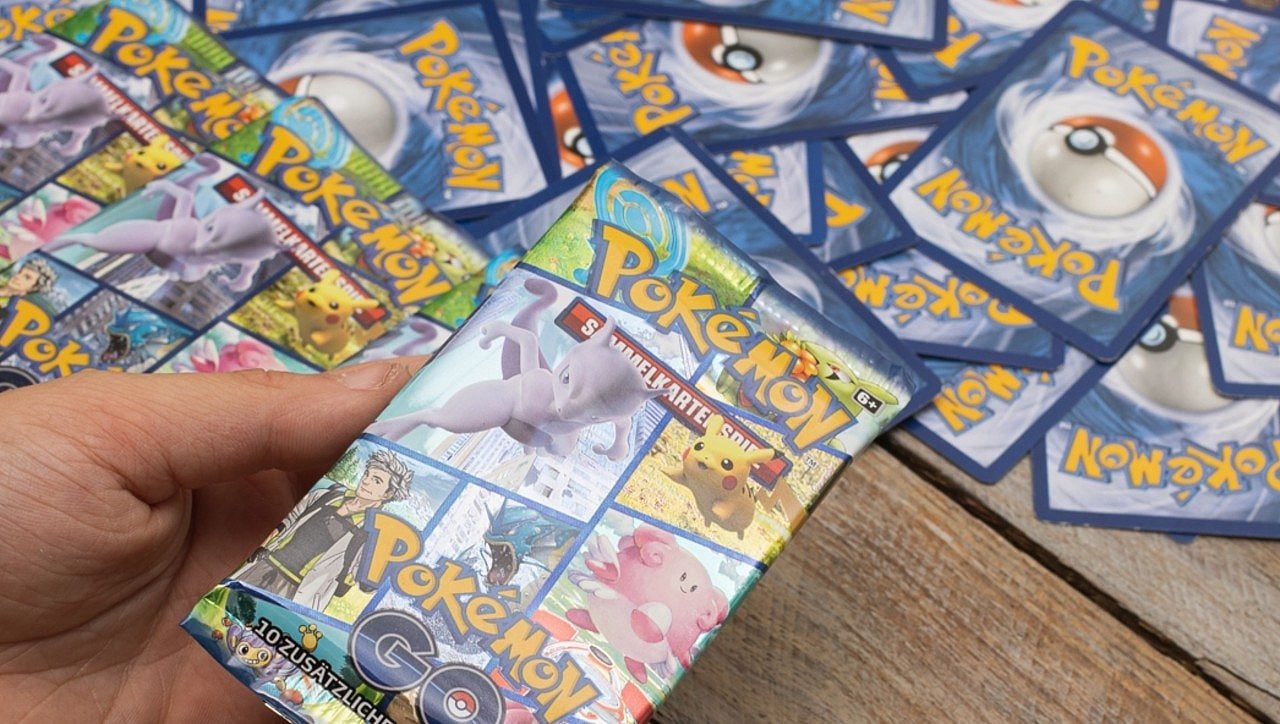
In the early hours of July 7, the tranquility of the Next Level The Gamers Den store, located in the city of Graham, in the American state of Washington, was interrupted by a devastating criminal act. In a time window of less than one hundred and twenty seconds, two individuals broke through the establishment’s reinforced glass, ignored the audible security alerts and emptied entire shelves into large boxes. The balance of the quick attack resulted in an estimated loss of ten thousand dollars, focused exclusively on products from the famous pocket monster franchise.
This episode in the northwest of the United States is far from being an isolated occurrence in the current scenario. Since Covid-19 health restrictions altered global consumption dynamics, the collectibles market has seen an unprecedented appreciation, transforming what was once a niche pastime into a highly profitable target for specialized criminal networks.
The international expansion of crimes and the financial impact on retail
The wave of looting of establishments focused on pop culture reached alarming proportions throughout 2024, generating losses that already exceed the half-million dollar mark. To understand the scale of this problem, simply look at the geographic distribution of recent attacks, which do not respect borders and affect large urban centers on different continents. Among the regions that registered police reports with the same invasion pattern, the following stand out:
- Las Vegas and New York, representing the major commercial hubs in the United States.
- Vancouver, Canada, highlighting the vulnerability of the North American market.
- Nottingham, in England, showing that the European continent also entered the robbers’ route.
Trader Andrew Engelbeck, who has managed the attacked unit in Graham since 2018, reports that the business routine was peaceful during the first 36 months of operation. The turning point, according to the businessman, happened exactly when the prices of collections began to inflate uncontrollably, creating an environment of constant insecurity for those who work in the analog entertainment sector.
Immediate liquidity and ease of transport attract burglars
The economics behind these pieces of metallized cardboard have undergone a stunning metamorphosis recently, with market valuations doubling in size in the space of just twelve months. This price escalation, combined with the physical nature of the product, created the perfect storm for those looking for quick illicit profits with little logistical effort.
Nick German, executive director of the Board of Certified Trading Cards, details that the crime math in this segment is extremely favorable to offenders. He points out that an attacker can steal a handful of paper rectangles and, in a matter of hours, convert this material into tens of thousands of dollars on the parallel market, taking advantage of the extremely high liquidity that these items have among informal buyers.
Another determining factor is the extreme portability of the stolen material. Unlike televisions or household appliances, dozens of rare letters can be hidden in the pockets of a jacket or in a small backpack, allowing criminals to enter and leave locations in fractions of a minute, drastically reducing the chances of confrontation with police patrols.
Residential invasions reveal changes in the profile of victims
The audacity of the gangs has already gone beyond the retail windows and has begun to invade the privacy of private collectors. In February, a digital influencer known in the community as “Pokedeen” shared video footage of his completely ransacked home after returning from a trip, finding empty displays and broken drawers throughout the property.
The most revealing detail of this home break-in was the selectivity of the criminals when choosing the spoils. Expensive equipment such as state-of-the-art video games and portable computers were ignored by attackers, as electronics have traceable serial numbers and system locks via the internet. The exclusive focus of the action was the folders containing premium editions of Pokémon, which essentially function as cash and untraceable money in the hands of recipients.
From creation in Japan to the billionaire frenzy during isolation
To understand the current value of this intellectual property, it is necessary to go back to the origins of the phenomenon created by Japanese game designer Satoshi Tajiri. Inspired by his childhood passion for catching insects, he released the first electronic games in 1996, simultaneously accompanied by the tabletop game. The fever arrived in the American territory in mid-1999, consolidating a fan base that grew along with the brand.
However, it was the global health crisis that injected an absurd amount of capital into this ecosystem. With families stuck at home and looking for nostalgic forms of entertainment, money that would have been spent on travel and events was redirected towards the hobby. Demand swallowed factories’ production capacity, prices on the secondary market soared, and criminals quickly realized where the new wealth was stored.
Franchise celebrations and the ongoing cycle of impunity
The most recent increase in this parallel market is directly linked to the promotional campaigns leading up to the brand’s thirtieth anniversary, celebrated in February. The launch of limited collections, partnerships with other companies and a strong presence in the media awakened the instinct of urgency in buyers, increasing prices even further and, consequently, placing a bigger target on the backs of those who own these assets.
The scenario becomes even more discouraging due to the authorities’ inefficiency in resolving these crimes, as illustrated by the case of the store in the state of Washington, which has already suffered multiple invasions without anyone ending up behind bars. This lack of severe punishments highlights serious flaws in the investigation processes and in the identification of suspects, creating a feeling of a free pass for new attacks against store owners.
As long as the disparity between limited supply and voracious demand continues to dictate the rules of this universe, financial speculation will show no signs of retreat. Faced with this reality, both small business owners and enthusiasts who keep their relics at home will need to invest heavily in security systems, as the risk of losing cardboard fortunes overnight continues to be a real and growing threat.




