New Siri AI gains exclusive app and advanced artificial intelligence features
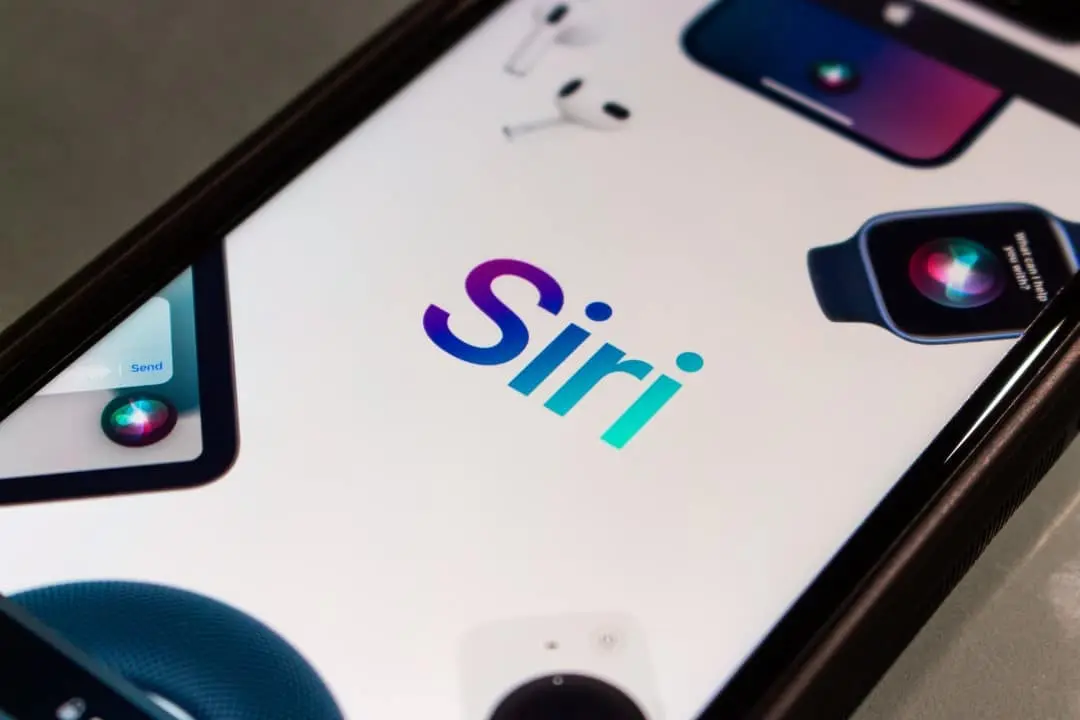
The Cupertino-based technology giant revealed a profound overhaul of its voice assistant, now called Siri AI, marking the software’s biggest evolutionary leap in more than a decade. The main change announced by the company involves the creation of an application dedicated exclusively to the tool, allowing users to access a complete and continuous record of all past interactions. This new approach significantly changes the dynamics of use, transforming what was previously just an ephemeral voice command into a queryable history of data, searches and daily tasks.
At first, the newly announced tools were only released to the group of software developers registered in the brand’s ecosystem, aiming to correct flaws before the official launch. The general public will need to wait the next few months to test the new features in a beta version, which will initially only work in the English language. Furthermore, executing these complex tasks will require recent hardware, limiting access to the company’s most modern devices that have advanced neural processing capabilities, leaving older models out of the update.
Visual change and new interface based on text conversations
The design of the new software directly references the popular generative artificial intelligence chatbots on the current market, adopting a continuous messaging format instead of the traditional audio bubble. Despite gaining its own home in the operating system’s main menu, the assistant has not lost its essence of quick integration and will continue to appear as a discreet overlay on the screen when using other applications. This interface duality aims to facilitate the transition for consumers who are already accustomed to the old model, while at the same time offering a focused environment for more complex commands.
On the same topic: Apple releases iOS 27 public beta, introducing new functions with artificial intelligence
One of the most anticipated capabilities of this major update is the system’s unprecedented ability to understand the exact context of what is being displayed on the device’s display in real time. Artificial intelligence can now scan the history of old messages to retrieve specific data or analyze images and texts open on the screen to resolve immediate user queries. This entire local analysis process is complemented by an improved online search system, which provides answers connected to current events, eliminating dependence on external links.
In practice, this technological evolution drastically transforms the way in which everyday tasks are performed on the brand’s smartphones and computers. A consumer might, for example, request that the software find digital event tickets purchased months ago and lost in their inbox, or demand precise geographic details about the exact location where a gallery photograph was captured. All of this happens fluidly, without the person needing to open multiple menus or type keywords in conventional search bars.
Innovations focused on productivity and digital accessibility
The virtual assistant’s update package goes far beyond simply understanding text and basic commands, encompassing robust productivity tools that promise to change users’ work routines. Among the technical highlights confirmed by the manufacturer for this new phase of the system are:
- Direct and deep connection with text editing applications, facilitating the creation of complex documents from scratch or the rewriting of content already created by the user;
- Implementation of the visual intelligence system on Mac line computers, iPad tablets and Vision Pro mixed reality glasses, allowing instant recognition of graphic elements;
- Vastly improved vocal synthesis, delivering lines with much more human intonations, natural pauses and offering different sound customization options for the assistant’s profile.
These additions take the company’s ecosystem to a new level of usability, allowing professionals and students to use their devices as true writing and data analysis assistants. The promise is that the learning curve will be minimal, as the functions operate behind the scenes of the native applications that people already use daily.
More on this story: New leak details color and memory options of the expected Galaxy S26 FE
See Also

Michigan serial killings result in six deaths, including US suspect

7.7 magnitude earthquake destroys buildings in Indonesia and triggers tsunami warning
Videos of the 7.7 earthquake in Indonesia reveal damage and panic in Asia
The race against time in the virtual assistant market
Originally introduced to the world in 2011, the voice tool quickly established itself as a standard in the mobile industry and today operates on approximately 2.5 billion devices around the globe. However, the recent emergence of advanced generative platforms has caused a significant portion of the public to migrate to third-party alternatives, seeking more complete answers and less rigid interactions. This scenario of technological lag placed the company’s management under heavy pressure from investors, who demanded urgent modernization so as not to lose space in the sector.
Experts in the technology sector often pointed out that the manufacturer was wasting a real gold mine by not crossing personal data stored securely on the devices. The absence of intelligent and integrated reading of calendars, email inboxes and reminders prevented the user experience from being truly proactive. The new software architecture promises to definitively correct this flaw, transforming the assistant into a tool capable of anticipating needs based on the device owner’s digital routine.
The impact of the brand’s new neural processing engine
The entire reformulation presented this week was only possible thanks to the deep integration with the new generation of Apple Intelligence, the cognitive services package developed internally by the company. This processing infrastructure was designed from scratch to ensure that automated actions occur fluidly, respecting the user’s privacy by carrying out the overwhelming majority of calculations on the equipment’s own processor, using cloud servers only when strictly necessary.
According to the engineers responsible for the project, this structural update allows resources to become infinitely more personal and third-party applications to work more efficiently when activated by voice. The company guarantees that the new code foundation will reduce interpretation errors that have frustrated consumers in the past, delivering a level of accuracy unprecedented in the brand’s history.
Learn more: OpenAI expands ad testing on ChatGPT to boost revenue
In addition to optimizing textual and verbal communication, this intelligent engine brings significant advances to the manipulation of visual media. The updated system is now capable of changing the framing of photographs saved in the gallery even long after they were taken. Using advanced generative algorithms, an image captured with a very tight crop can be expanded by artificial intelligence, which analyzes the context of the scene and automatically creates a realistic background to fill the new edges, demonstrating the graphics processing power of the new platform.