New Sony a7R VI camera arrives with 61 megapixels and focuses on professional photographers

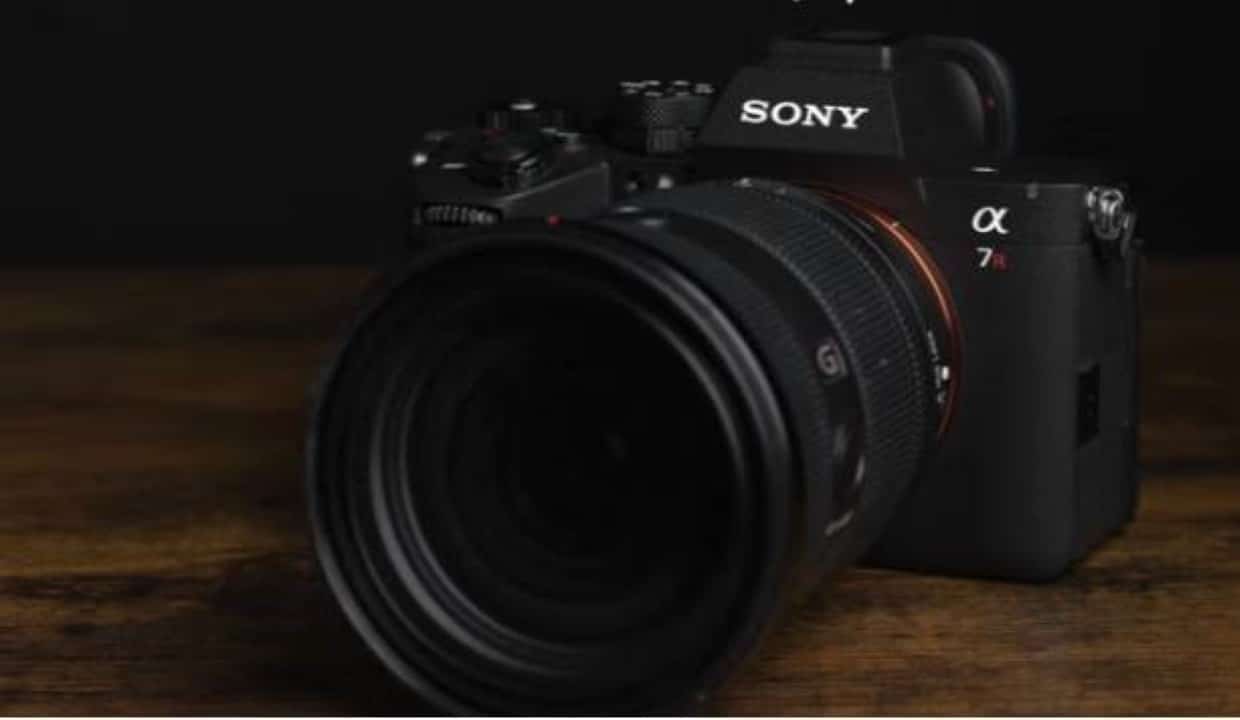
Japanese manufacturer Sony has just officially launched the a7R VI, a mirrorless device that reinforces the company’s dominance in the ultra high definition image niche. Bearing the letter “R” in its name — traditional indicative of “Resolution” in the Alpha line — the device delivers a 61 megapixel full-frame sensor, combining an extreme level of detail with unprecedented processing agility in the category. Thanks to the implementation of the modern Bionz XR chip, the equipment guarantees cleaner images with less grain, even when the ISO is pushed to the limit. Furthermore, the physical structure received improvements in focus tracking and energy capacity, making the product an indispensable tool for those working in the editorial and advertising market.
Main hardware innovations and evolutionary leaps of the new generation
Although it preserves the lean design that established past versions, the machine’s internal engineering has undergone a profound redesign. The 61-megapixel photographic component guarantees well-above-average sharpness, while the Bionz XR engine can process the captured information in around 1.8 seconds during continuous shooting. For videographers, the big attraction is the ability to film in 8K resolution, achieving a data flow of 200 Mbps. The sensor’s stabilization mechanism has also been recalibrated, which makes it possible to shoot without the aid of tripods using apertures of f/2.8 and low speeds, such as 1/30s. The energy tank jumped from 2,140 mAh to a robust 2,850 mAh, guaranteeing approximately 40% longer usage time on a daily basis.

- Maximum image quality: 61 megapixels (resolution 7952 x 5304 pixels)
- Capture type: Exmor R CMOS sensor in full-frame format
- Equipment brain: Upgraded Bionz XR processing chip
- Filming capability: 8K recordings at 30 frames per second with H.265 codec
- Focus system: 693 points using hybrid detection technology
- Power: 2,850 mAh module rechargeable via USB-C port
- Total mass: 723 grams considering only the main structure
- Shooting agility: Maximum 11 photos per second in continuous mode
Sensor behavior in challenging lighting scenarios
Practical evaluations demonstrate that the equipment delivers solid results in the most diverse environments. Professionals who work in studios highlight color fidelity, even when artificial lighting has a more restricted spectrum. In dimly lit situations, the capture impressively preserves textures up to the ISO 6,400 mark, without the software needing to intervene aggressively. Once this limit is exceeded, the image cleaning algorithm kicks in and begins to flatten details in dark areas, a natural and expected behavior for sensors with such high pixel density. When placed side by side with strong rivals, such as the Nikon Z9 and Canon EOS R5, Sony’s option has a slight advantage in maintaining sharpness at extreme sensitivities. Another highlight is the digital zoom for fine frame adjustments, which operates efficiently and without visual degradation up to the 1.4x mark.
The recording of fast-moving subjects gained considerable reinforcement with the new autofocus algorithm, which dropped the response time from 0.05 to just 0.03 seconds compared to its predecessor. During rigorous trials involving sports and nature photography, tracking of moving targets recorded an accuracy of over 92%. Depth of field reading also proved to be highly reliable, working perfectly even when users attach old lenses using electronic adapters.
Changes to the physical design and navigation of the operating system
The photographic body footprint respects the brand’s visual identity, but brings crucial refinements to daily usability. Several buttons have changed location to prevent the photographer from having to move their hand while composing the scene. The rear articulating display has been upgraded and now displays 1.44 million dots, providing much clearer reading at difficult angles. The touch-sensitive interface has been redesigned with smart shortcuts, saving the user from navigating through endless configuration tabs. In terms of audio, the native system now accepts professional microphones with XLR connection, as long as an extra module is used. Weather resistance has also improved, with extra sealing rubbers on the cardboard lids and hinges.
The viewfinder (eye viewfinder) has undergone an improvement in its refresh rate, jumping from 120 Hz to a fluid 144 Hz, which practically eliminates any trace on the screen during sudden camera movements. Visual definition was maintained at around 9.44 million dots, a value more than adequate to guarantee accurate focus. The peak brightness of this small screen reached 2,000 nits, greatly facilitating the work of those photographing under the midday sun.
File transfer options and wireless integration
Wired communication occurs through a USB-C input compatible with the 3.2 Gen 2 standard, allowing material to be flown at speeds of up to 480 Mbps. For those who prefer to work wirelessly, the built-in Wi-Fi 6E antenna guarantees remote control of the machine from a distance of up to 200 meters in areas free from obstacles. A great advancement for the workflow is the ability to send clicks directly to cloud servers, eliminating the need to use a notebook in the middle of the process. The main storage continues to require type B CFexpress media, but there is a secondary slot for UHS-II SD cards, ideal for creating instant backups. Those who already have batteries from old models in the Alpha line will be able to reuse them, a decision that will ease the pockets of those who are updating the kit.
The manufacturer’s smartphone software, known as Imaging Edge, received rapid processing tools, allowing professionals to deliver the finished material without touching a computer. Continuous communication with the cell phone also makes it possible to insert GPS coordinates into the files in real time, geographically organizing the entire collection captured during trips and documentaries.
Official values and expected arrival on the Brazilian market
Brazilian consumers will need to pay R$37,990 to purchase the basic kit, which includes the camera body and an FE 28-70mm f/3.5-5.6 OSS lens. Extra parts weigh on the budget: the LA-EA3 adapter for classic lenses costs R$4,890, while a spare battery module costs R$1,290. The high-speed wall charger does not come in the box and is sold for R$899. To handle the volume of data generated by 8K videos, it will be necessary to invest at least R$3,500 in a 256GB CFexpress card. Specialized stores in the country’s major capitals promise to start delivering the first units in June 2026.
The manufacturer offers 24 months of global coverage against assembly failures, but the contract makes it clear that problems resulting from drops or water infiltration nullify the benefit. Accredited technical assistance, located in Brasília, Rio de Janeiro and São Paulo, promises to return repaired equipment within a maximum period of seven working days for less complex defects.