

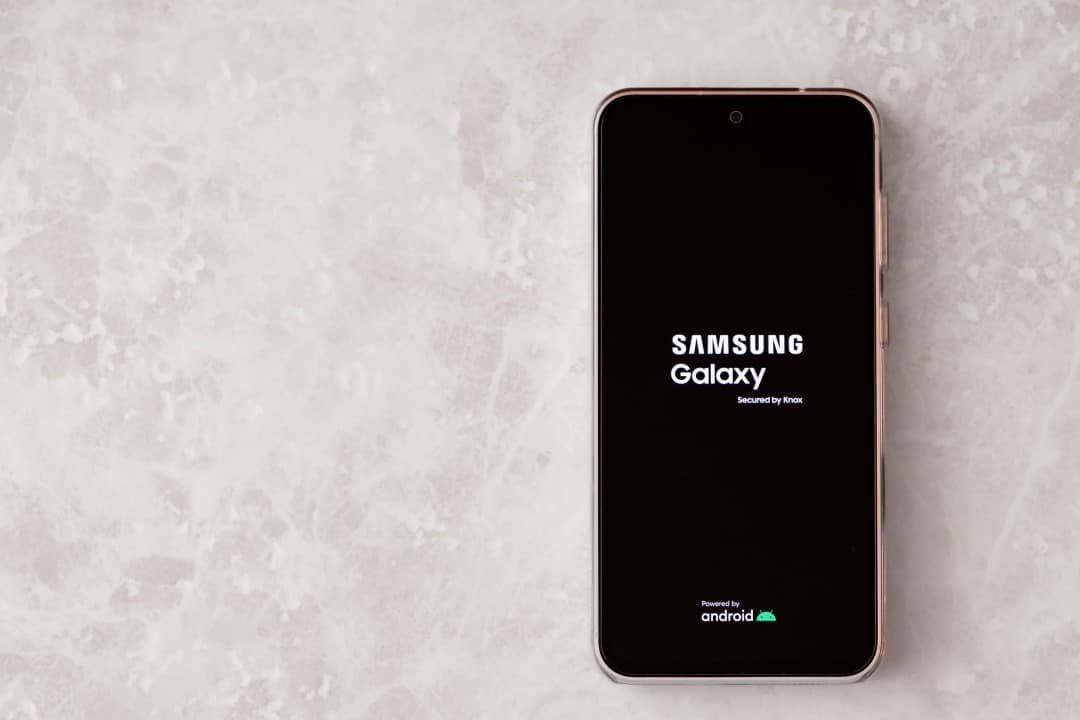
The South Korean manufacturer has made official the technical details of its next premium smartphone, the Galaxy S27 Ultra, which features a 200-megapixel photo sensor equipped with a dynamic aperture mechanism. This new device marks a significant leap forward in the field of mobile digital photography, ensuring superior captures in any lighting scenario. With this launch, the technology giant delivers a package of innovations that sector enthusiasts have been waiting for for a long time.
How the new dynamic aperture technology works on the main sensor
The 200 megapixel photographic component takes center stage in the technical details of this new cutting-edge device. The absolute difference lies in the adaptive opening mechanism, a technology that the brand timidly explored in the Galaxy S9 era, but which now returns fully automated to read ambient light. During the day, the lens closes to ensure deep focus and sharp images, while in nighttime scenarios it expands as much as possible to absorb light. This intelligence eliminates the need for the user to manually switch between f/1.7 and f/2.8 standards.
This entire physical apparatus works together with a cutting-edge processing system. The Snapdragon 8 Gen 4 chipset is responsible for controlling grain reduction calculations, improving optical stabilization and instantly merging pixels. Those who like to record videos will be able to record materials in 8K resolution with a fluidity of 60 frames per second natively. Nighttime captures promise crystal-clear results, driven by an unprecedented exposure compensation method that acts in fractions of milliseconds.
Detailed technical sheet reveals the processing power of the new smartphone
The hardware set of the new high-end cell phone displays impressive numbers on all fronts:
- 6.9-inch AMOLED display operating at 240 Hz fluidity
- Snapdragon 8 Gen 4 chipset built on 3 nanometer process
- 16 GB RAM memory in LPDDR6X standard
- 512GB internal space in ultra-fast SSD format
- 5,500 mAh power module supporting 65 watt recharging
- 50 MP front selfie lens with f/2.0 diaphragm
- Rear module containing 10x optical zoom and exclusive 200 MP periscopic lens
- IP68 protection that guarantees submersion in up to 2 meters of water for half an hour
- Gorilla Glass Armor coating protecting front and back faces
- Forged titanium frame measuring just 8.2 millimeters thick
The equipment’s housing adopts a titanium alloy for aerospace use, following a market trend seen in the iPhone 16 Pro. In terms of autonomy, the energy tank gained an increase of 200 mAh when compared to the old S25 Ultra. To keep everything cool, the manufacturer implemented an optimized three-dimensional vapor chamber, capable of dropping the internal temperature by up to 3 degrees Celsius during heavy games.
Artificial intelligence tools operate directly on hardware
The Asian manufacturer embedded advanced generative artificial intelligence features into the device itself, reducing dependence on internet connections. This hybrid processing model manages to divide heavy demands between the cell phone’s processor and the company’s remote servers, depending on the complexity of the task. Visual modifications, such as erasing unwanted elements from a photo, enlarging the edges of the image or creating false backgrounds, happen completely offline. Furthermore, the camera identifies the scenario and adjusts the ideal parameters without the person having to touch the screen.
The brand’s virtual assistant, powered by an exclusive language model, delivers precise recommendations based on the device owner’s daily habits. During conventional calls, the software performs real-time voice translations into 90 different languages. All this convenience comes with a strong privacy scheme, as sensitive data is processed within the chip itself, preventing personal audio or photos from being sent to the cloud.
Sales calendar and price estimate for the Brazilian consumer
The device’s arrival on international shelves is scheduled for February 15, 2025. For the Brazilian public, the official reveal takes place on February 20, with the reservation period starting the following day, the 21st, and physical deliveries scheduled for March 1st. Abroad, the official value set by the company is US$1,599, an amount that, in direct conversion and with tax additions, should reach around R$9,200 in national trade.
The country’s main telephone companies, including Vivo, Claro, TIM and Oi, are already preparing subsidized exchange campaigns for those who wish to hand over an old cell phone as part of the payment. Large retail chains, such as Casas Bahia, Carrefour and Amazon, will offer the Galaxy Buds3 Pro wireless headphones as a gift for the first buyers. In a loyalty initiative, the South Korean brand will also allow consumers who purchased the S26 Ultra model less than seven months ago to switch to the new generation at no additional cost.
How the new model positions itself against rivals from Apple and Google
The clash in the premium segment puts the new launch on a direct collision course with the iPhone 16 Pro Max and the Pixel 9 Pro XL. While Apple prefers to keep its main lens locked at an aperture of f/1.78, the South Korean competitor bets on the versatility of the moving diaphragm. On the other hand, Google focuses almost entirely on image processing via software with its Tensor chip. By uniting top-notch physical parts with a hybrid AI ecosystem, the new cell phone tries to embrace the best of both worlds in mobile photography.
In-depth analyzes from technology portals and content creators will be published on February 19th, exactly one day before the national announcement. Professionals specialized in capturing images with cell phones point out that the return of variable aperture finally solves an old bottleneck in the industry: the eternal difficulty of balancing the light input with the perfect depth of field in such a compact sensor.




