The month of August 2026 promises extraordinary astronomical scenery for observers across the planet, with the arrival of the Perseid meteor shower, a total solar eclipse and a 96% partial lunar eclipse. It will be a period of multiple celestial phenomena that will arouse the interest of enthusiasts and the general public.
For astronomy lovers, August 2026 is one of the most unique months of the year, offering a rare convergence of phenomena. In addition to the Perseid rain, the intense glow of Venus at dusk and the return of Jupiter at dawn, the highlight is a total solar eclipse in Europe and an almost total lunar eclipse visible in much of the Americas, Europe and Africa. A new stellar explosion from T Coronae Borealis is also predicted, consolidating this as a period full of spectacles.
Key dates to observe the sky in August 2026
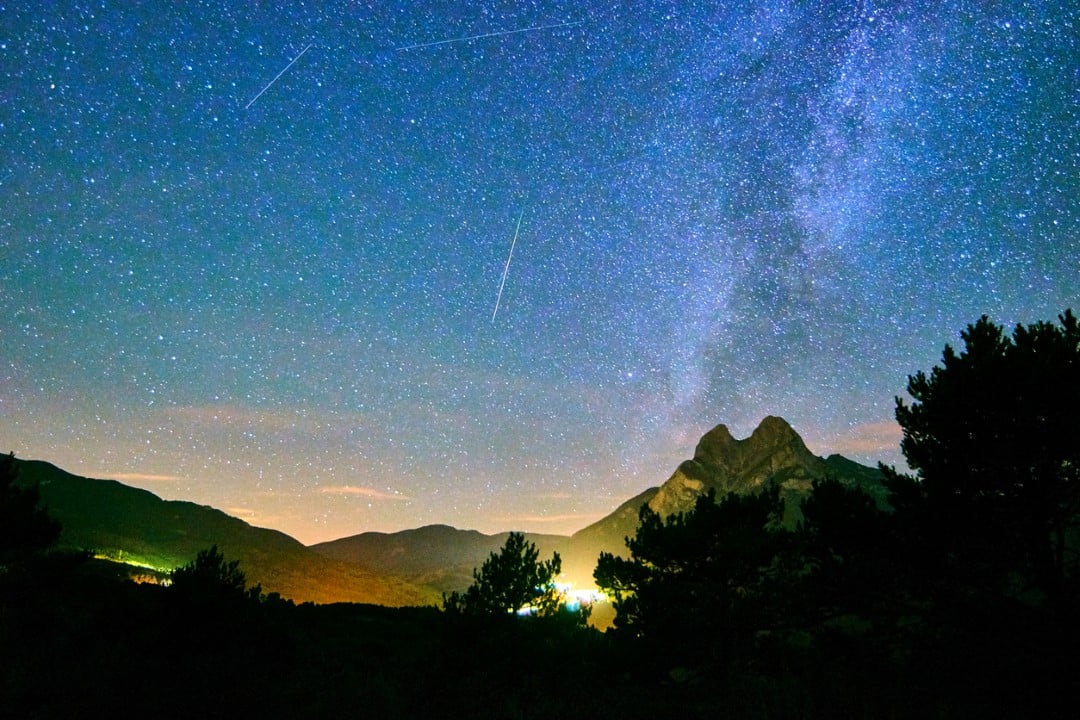
Between August 6 and 15, 2026, the night sky will provide ideal dark conditions. This interval, which begins with the waning moon, is perfect for seeing the Milky Way and other distant celestial bodies.
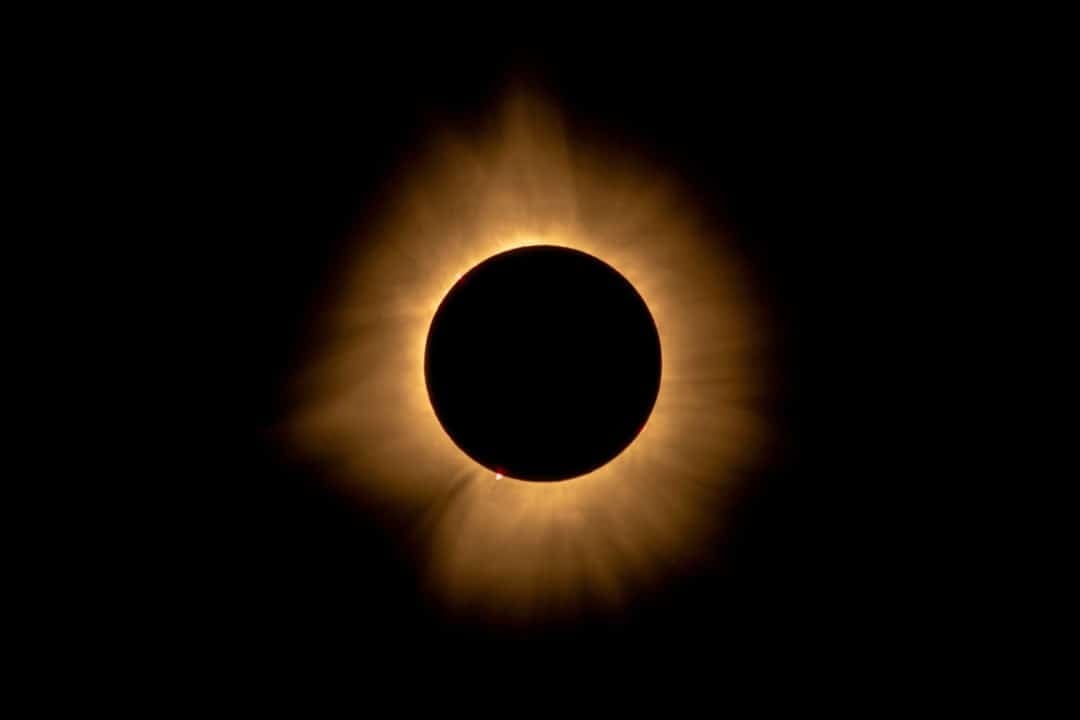
A total solar eclipse will be recorded on August 12, 2026, with its main route traversing eastern Greenland, western Iceland and northern Spain. Regions of Europe will have the chance to see a significant partial eclipse before dusk, while northeastern North America will observe a more discreet partial phase during the afternoon. The event will not be visible in Japan.
The peak of the Perseid meteor shower will occur between August 12 and 13, 2026. The forecast indicates the peak at around 11 am, Japan time, on the 13th, coinciding with the hours following the total solar eclipse, when the greatest number of meteors will be visible. For those in Japan, the best viewing will be from the night of the 12th until the dawn of the 13th, a period without interference from the moon, with the potential for up to 100 meteors per hour in places with low light pollution.
On August 15, 2026, Venus will reach its greatest eastern elongation, marking the point of its greatest apparent distance from the Sun. This will cause the planet to shine brightly in the western sky shortly after sunset. When observed through telescopes, Venus will appear in a crescent phase and its luminosity will increase in subsequent weeks, as its crescent shape becomes more pronounced.
From mid to late August 2026, Jupiter will reappear in the sky. The largest planet in the solar system, which was hidden by strong sunlight in July, will become visible again in the morning twilight. Morning observers will be able to spot it low on the eastern horizon before sunrise, noting its gradual rise each day.
A partial lunar eclipse is scheduled for the night of August 27th until the early hours of August 28th, 2026. This event is considered a “deep lunar eclipse” as up to 96% of the full Moon will enter Earth’s penumbra. The totality of the eclipse will be observable over vast areas of North America and throughout South America. For Europeans, the partial phase will be visible before dawn. However, the phenomenon cannot be observed in Japan.