European Union suspends purchase of meat from Brazil from September 3 for two years

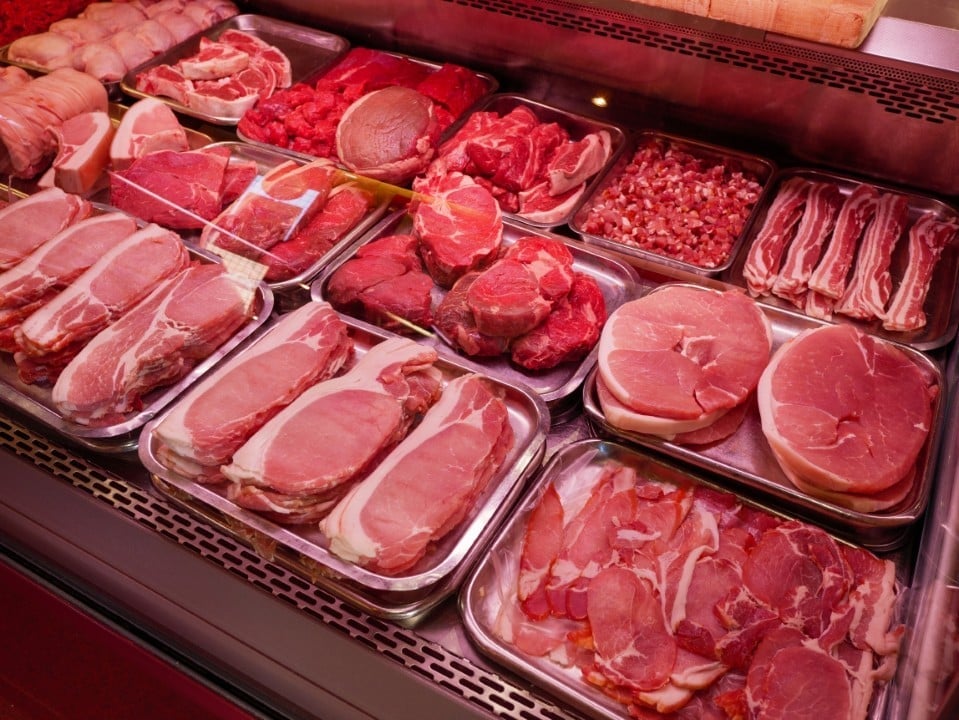
The European Union is about to stop importing products of animal origin from Brazil, with the measure coming into force on September 3rd. The commercial strike, announced on August 3, 2026, takes place within a month and mainly impacts exports of beef, chicken and honey, which represent the largest volumes in the sector for the European bloc.
The decision was communicated in May 2026, shortly after Brazil’s exclusion from the list of nations that comply with European Union requirements regarding the use of antimicrobials in livestock farming. Although no direct irregularities were identified in national meat, the European Union expressed concern about Brazilian supervision of the use of these substances, judging it to be inadequate.
Antimicrobials are used in the treatment and prevention of infections in animals. However, certain substances can act as growth promoters, an application that is restricted by European standards for the sector.
“Europe states that it will not purchase [beef] meat from Brazil again for at least two years,” declared livestock farmer André Bartocci. The president of the Beef Sector Chamber, a consultative body of the Ministry of Agriculture, reported having obtained this information in a recent meeting with members of the department. He detailed that the estimate of two years corresponds to the life cycle of a bovine, the period necessary for an animal to begin and complete breeding under new protocols for the use of antimicrobials until it is ready for slaughter in accordance with European standards.
In response, the European Commission’s Animal Health and Welfare office did not specify the two-year period, but confirmed that the return of exports “will depend on the animals’ production cycles.” The Brazilian Ministry of Agriculture, in turn, did not respond to requests for clarification of the report.
Understand the European Union’s bans on growth promoters and antibiotics in animals

Unlike cattle, the chicken breeding cycle is much shorter, with the average time between birth and slaughter being around 45 days.
During a press conference on August 28, the president of the Brazilian Animal Protein Association (ABPA), Ricardo Santin, informed about the arrival of a European Union mission in Brazil at the end of August. The objective is to inspect the new protocols developed by the Brazilian government to meet the bloc’s recent demands.
Santin explained that the main change consists of increased inspections of feed factories, farms and slaughterhouses by the government, measures already included in the National Waste and Contaminant Control Plan (PNCRC). “We will continue with our usual practices, without using growth promoters or antibiotics for human use for the European Union market. Brazilian companies maintain the same procedure as always and we always carry out product segregation”, stated Santin.
The impact of the European Union’s decision on the beef market
Cattle rancher André Bartocci, owner of a farm in Mato Grosso do Sul, revealed that he has not used antimicrobials in his herd for years due to exports through Cota Hilton, a regime that requires the total absence of these substances throughout the animal’s life in premium meats with lower tariffs. “Those who operate with the Hilton Quota have not used antimicrobials for a long time. However, a large part of the meat exported to Europe is not Hilton, but from the Trace list, a modality where the producer only needs to certify the absence of antimicrobials in the last 100 days. Now, this rule will change, requiring proof throughout the entire life cycle”, explained Bartocci.
Santin, representative of ABPA, expressed the hope that chicken meat exports could resume in September, right after the European Union’s visit, scheduled for the end of August.
However, the documents resulting from this mission will be evaluated by a department of the European Commission, the SCoPAFF (Standing Committee on Plants, Animals, Food and Feed), whose next meeting is only scheduled for November.
If the lockdown is not lifted or extended, Santin said there is a plan to redirect chicken production initially aimed at Europe. This production may be destined for the domestic market or the approximately 150 countries to which Brazil already exports.
“In the previous year, we already faced a period of four months without exporting to the European Union due to bird flu. The most complicated situation would be the interruption of sales to the Middle East”, stated Santin.
Brazil implements measures, but European blockade persists
Before the European Union announced the blockade, the Brazilian Ministry of Agriculture had already issued an ordinance prohibiting the use of certain antimicrobials, including avoparcin, virginiamycin and bacitracin. In May 2026, the Brazilian government even proposed a transition deadline for the EU, but the offer was rejected by the bloc.
Brazilian agribusiness sectors interpreted the decision as a protectionist act, especially because it was communicated shortly after the free trade agreement between the European Union and Mercosur was signed into effect. This treaty faced strong opposition from European farmers, who expressed fear of the competitiveness of lower-priced South American products, especially those from Brazil, Mercosur’s largest agricultural exporter to the European market.
Meanwhile, the other Mercosur nations — Argentina, Paraguay and Uruguay — continue to be authorized to export their products to the European continent.
Honey sales to the European Union face difficulties
Although honey is not one of the largest products exported to the European Union, its sales to the bloc were on the rise, driven by the surcharge applied by Donald Trump in the United States, as reported by Renato Azevedo, president of the Brazilian Association of Honey Exporters (Abemel). With the increase in export costs to the USA, part of production was redirected to Europe, resulting in the doubling of exports to the bloc, which reached US$6.3 million in the first half of 2026. “The European Union’s veto represented a ‘bucket of cold water’ in the efforts of exporters, who were already observing the positive results of market expansion work”, declared Azevedo.
“In the particular case of honey, we have not identified a risk that this control will detect contamination problems. The majority of Brazilian honey exported is organic, and already has a certification that ensures a product free of residues and antibiotics”, detailed Azevedo.
According to Azevedo, the main concern for the segment is “cross contamination”. “If a hive is located close to a livestock farming area, for example, there is a chance of residue reaching the honey. For this reason, inspection is essential to prevent this form of contamination,” he explained.