Japanese manufacturer defends new artificial intelligence for the Xperia 1 VIII after controversy

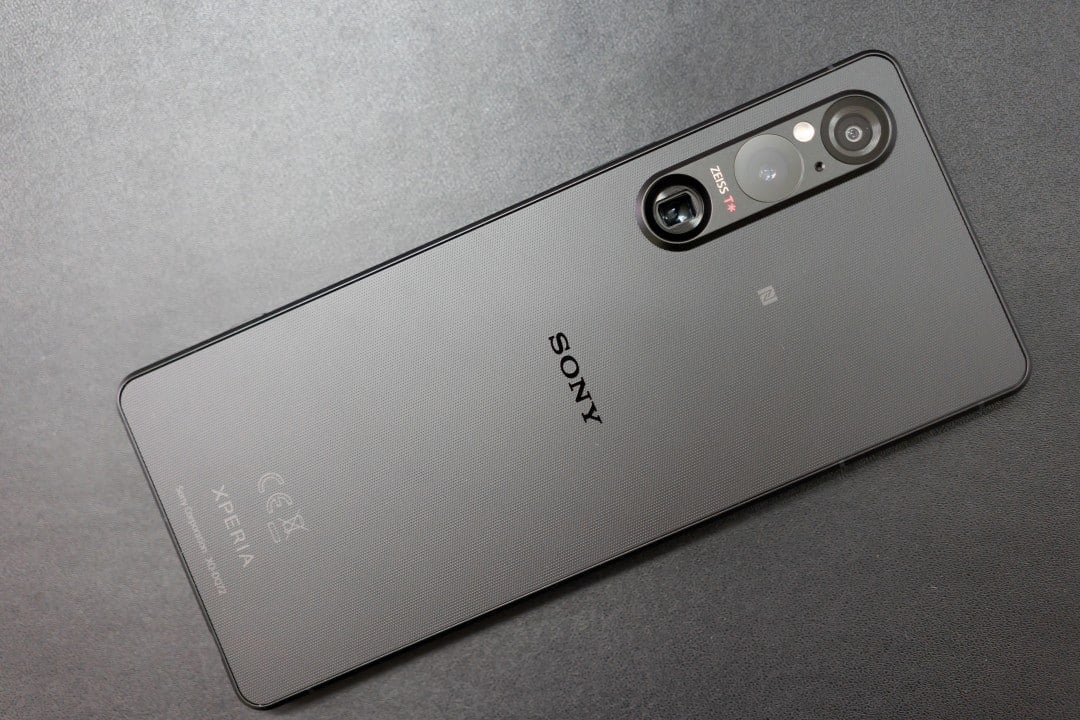
The Japanese manufacturer used its official profile on the social network X to try to put out the fire generated around its latest photographic innovation present in the Xperia 1 VIII smartphone. Faced with a barrage of questions, the company decided to detail in detail how its new automated editing system operates. The first samples released by the brand caused a real negative uproar in the technology community, even generating public jokes from influential figures in the sector, such as businessman Carl Pei and renowned content producer Marques Brownlee, who did not forgive the dubious results.
The whole problem started when initial promotional material placed raw captures and edits suggested by the software side by side, revealing that the modified images showed notable visual degradation compared to the original files. This stumble in the marketing strategy triggered a wave of rejection so strong that it forced the Asian corporation to abandon its strategic silence. To try to reverse the damage to the device’s image, which is enough to compete in an extremely fierce premium market, the brand needed to publish a complete dossier on the real capabilities of its tool.

Understand the true purpose of automated editing on the brand’s new smartphones
Contrary to what many consumers initially thought, the intelligent mechanism embedded in the device does not have the function of overriding or destroying the primary capture made by the photographic sensor. The system acts purely as a virtual advisor, delivering up to four different visual proposals for each click made by the user. According to the technical explanations provided by the development team, the processor analyzes the scene using advanced neural networks to create coloring and contrast alternatives, delivering completely different aesthetic paths for the same composition.
The matrix file remains intact and safe within the cell phone’s internal storage, without suffering any type of compression or unwanted changes. Machine-generated edits appear as just one layer of possibilities that the amateur photographer can analyze, place side by side, and decide whether to save or simply ignore. The manufacturer made a point of highlighting that the main goal of this technology is to expand the creative horizons of those behind the lens, delivering dynamic filters instead of trying to correct or surpass the technical precision of the original photographic hardware.
To eliminate any remaining confusion, the company has listed the main operating features of its new imaging software:
- Deliver a package with up to four visual reinterpretations right after the camera clicks.
- It fully preserves the original file, ensuring that the primary photo is never deleted or overwritten.
- It applies complex neural networks to suggest aesthetic changes based on the captured scenery.
- It guarantees complete autonomy to the device owner to approve or discard suggested edits.
- Focuses on delivering artistic and experimental results, moving away from traditional color treatment.
Company releases new images to try to prove the effectiveness of its software
Along with the long explanatory text, the communications team attached a new gallery of practical tests, with the clear objective of showing that the system can indeed deliver pleasant and useful editions for everyday life. The corporation practically admitted that the marketing team grossly failed when choosing the first publicity photos, as they did not reflect the true capacity of the image processor. It was evident between the lines of the statement that the initial selection of samples was a major public relations error that ended up overshadowing the product launch.
The captures recently published on the social platform show situations where digital interference acts in a much more subtle and balanced way, enhancing the scene without creating aberrations. The brand’s engineers pointed out that the algorithm reaches its maximum performance when it encounters favorable light conditions and a frame well defined by the user. On the other hand, scenarios that involve difficult cuts, such as hair in the wind, very polluted backgrounds or areas with deep shadows mixed with strong lights, can still confuse the system and generate results that are not as expected.
How a poorly planned advertising campaign generated distrust in the mobile market
The launch strategy for the high-end device turned into a true corporate nightmare as soon as the first advertising pieces hit the internet. Digital photography experts, market analysts and everyday consumers quickly began dissecting the images, finding bizarre flaws in the automated processing. Among the most criticized defects were the distortion of human faces, the insertion of pixelated spots that did not exist in the real environment and a color saturation that left landscapes with an artificial and plasticized appearance.
This domino effect of negative reviews caused large YouTube channels and technology-focused profiles to turn the resource into a global meme. The situation served as a perfect case study on how a hasty demonstration can ruin the reputation of a feature that took years to develop in the labs. Instead of sweeping the problem under the carpet and waiting for the dust to settle, the Japanese giant’s management made the right decision to face the internet court, offering technical and transparent answers to calm the spirits of the brand’s fans.
The weight of transparency when introducing innovations based on neural networks
All this turmoil leaves a valuable lesson about the level of demand of the modern consumer when it comes to intelligent automation tools. Large corporations in Silicon Valley and Asia face enormous pressure to innovate every semester, but the public no longer accepts magical promises without real proof, especially in the field of computational photography. Buyers of smartphones costing thousands of dollars demand marketing campaigns that show the naked reality, showcasing both the brilliant achievements and the technical limitations inherent in any software in its maturing phase.
The stance adopted by the Asian manufacturer to stem the image crisis shows a maturity in the way it deals with public scrutiny. By didactically explaining that its new virtual assistant is just a creative facilitator and not a replacement for professional editing software like Lightroom or Photoshop, the company managed to realign market expectations. This reality check will certainly serve as a compass for other brands to think twice before exaggerating their promises during upcoming cell phone announcements focused on artificial intelligence.