Maria da Penha case: the story of the pharmacist who inspired the law against domestic violence


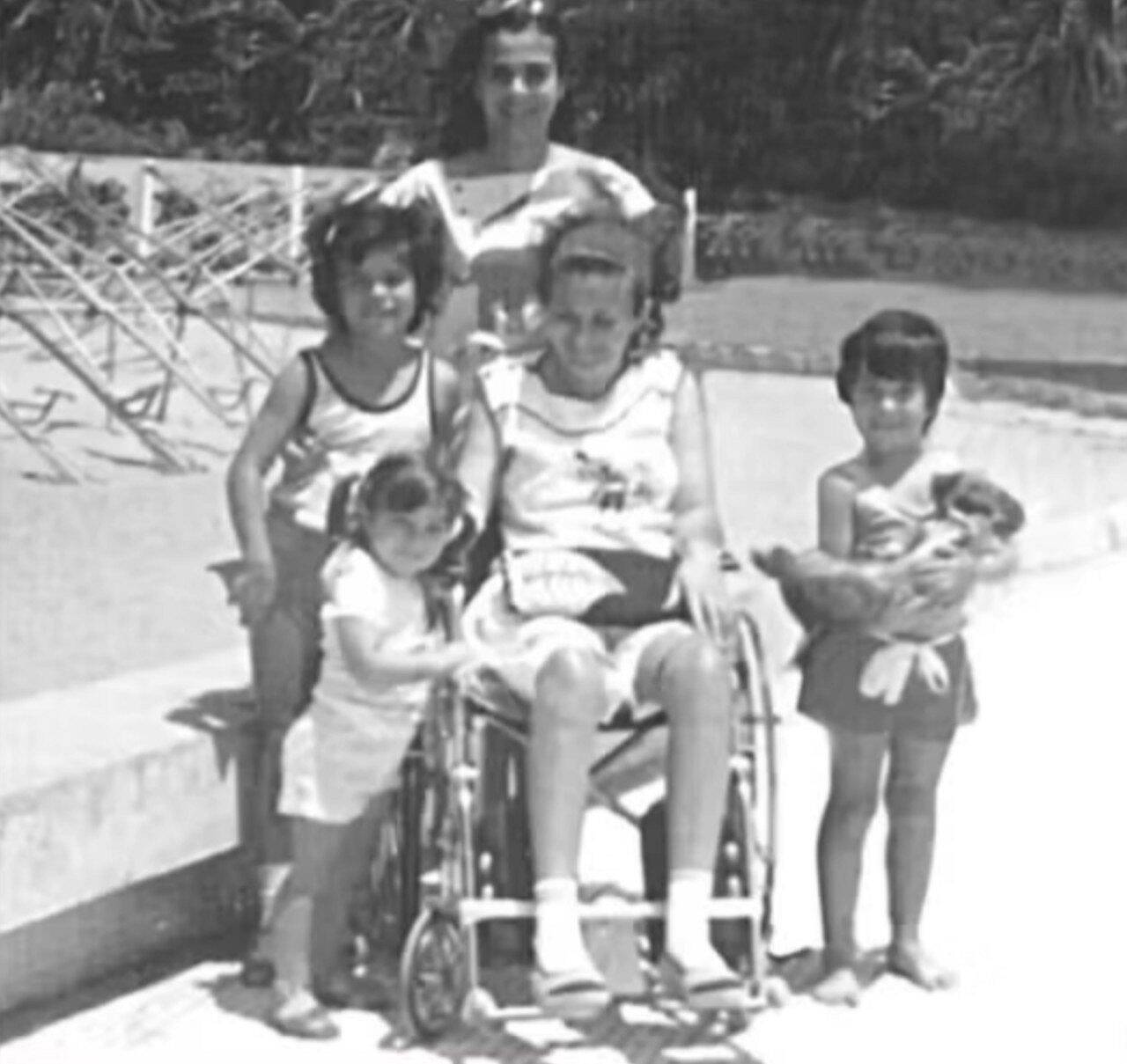
In May 1983, pharmacist Maria da Penha Maia Fernandes, then 38 years old, woke up scared during the night when she heard a gunshot inside her own home in Fortaleza. She realized, with horror, that she had been hit in the back by her husband, an incident that left her paraplegic and with permanent injuries.
After the brutal crime, Maria da Penha began a long and arduous journey in search of justice. Her persistence made her a central figure in activism against all forms of domestic violence in Brazil.
Until the law was approved, conjugal violence was often treated as an offense with low offensive potential. Many attackers were subjected to lenient sentences, such as payment for basic food baskets, and rarely served time in prison.
This reality began to change drastically on August 7, 2006, when Law 11,340, known as the Maria da Penha Law, was sanctioned. The new legislation toughened punishments, introduced urgent protective measures and established a support network for victims.
Despite legal advances, violence against women remains a significant problem. A survey by the Patrícia Galvão Institute revealed that 54% of Brazilian women who had relationships with men have already suffered some type of physical or psychological aggression. However, only 11% of men acknowledge having assaulted a partner or ex-partner, highlighting a large gap in perception of the problem and the continued need for laws like this.
Impunity for domestic violence was a reality for a long time, and the justice system, at times, seemed to treat women as property. However, many cases of aggression culminate in femicide, a tragedy of which Maria da Penha almost fell victim.
Maria da Penha married Colombian Marco Antonio Heredia Viveros in 1976. Initially, he was friendly and polite, but his behavior changed drastically after obtaining Brazilian citizenship and a stable job in Fortaleza. According to the book “I Survive… I Can Count”, written by Maria da Penha herself and released in 1994, Marco Antonio became aggressive towards her and the couple’s three daughters.
The escalation of violence culminated in 1983 with two assassination attempts against the pharmacist. The first time, in May of that year, he shot her while she slept, later claiming that a thief had broken into the house. After four months of hospitalization and already in a wheelchair, Maria da Penha suffered a second attempt, when Marco Antonio tried to electrocute her in the bath.
The version of the robbery was refuted by the police investigation, largely due to the evidence gathered by Maria da Penha herself. Despite this, Marco Antonio only went to trial in 1991, eight years after the crimes. He was convicted in the first and second instances, but defense resources postponed his arrest until 2002, and he served only two years in prison.
The conclusion of the judicial process was reached only after intense international pressure. In 1998, Maria da Penha, with the support of the Center for Justice and International Law (Cejil) and the Latin American and Caribbean Committee for the Defense of Women’s Rights (Cladem), reported the case to the Inter-American Commission on Human Rights of the Organization of American States (IACHR/OAS).
In 2001, given the persistence of the situation without resolution, the Brazilian State was held responsible for negligence, omission and tolerance in relation to domestic violence against women.
In 2002, a group of feminist NGOs collaborated to draft a bill aimed at combating domestic violence. After extensive debates between the Legislative and Executive powers and civil society, the project was approved by the National Congress and sanctioned by then president Luiz Inácio Lula da Silva in 2006.
The Maria da Penha Law allowed the arrest of aggressors in the act, eliminated the possibility of alternative sentences for these crimes, increased the maximum detention time from one to three years and instituted a series of protective measures for assaulted women. In 2015, the Feminicide Law was enacted, which increases the punishment for murders of women motivated by gender issues – for example, when a man kills his ex-girlfriend for not accepting the end of the relationship. The Maria da Penha Law can serve as a basis for proving feminicide, especially if the victim had already requested protective measures against the attacker.
Marco Antonio has always denied the accusations, claiming that his ex-wife framed him after discovering an alleged betrayal. Recently, the Public Ministry accepted a complaint against him and three other men for involvement in a defamation campaign against Maria da Penha. According to the organization, a documentary used a doctored report to attack the activist’s honor and discredit the law that bears her name.