Official list shows which Apple tablets receive iPadOS 27 and new AI features

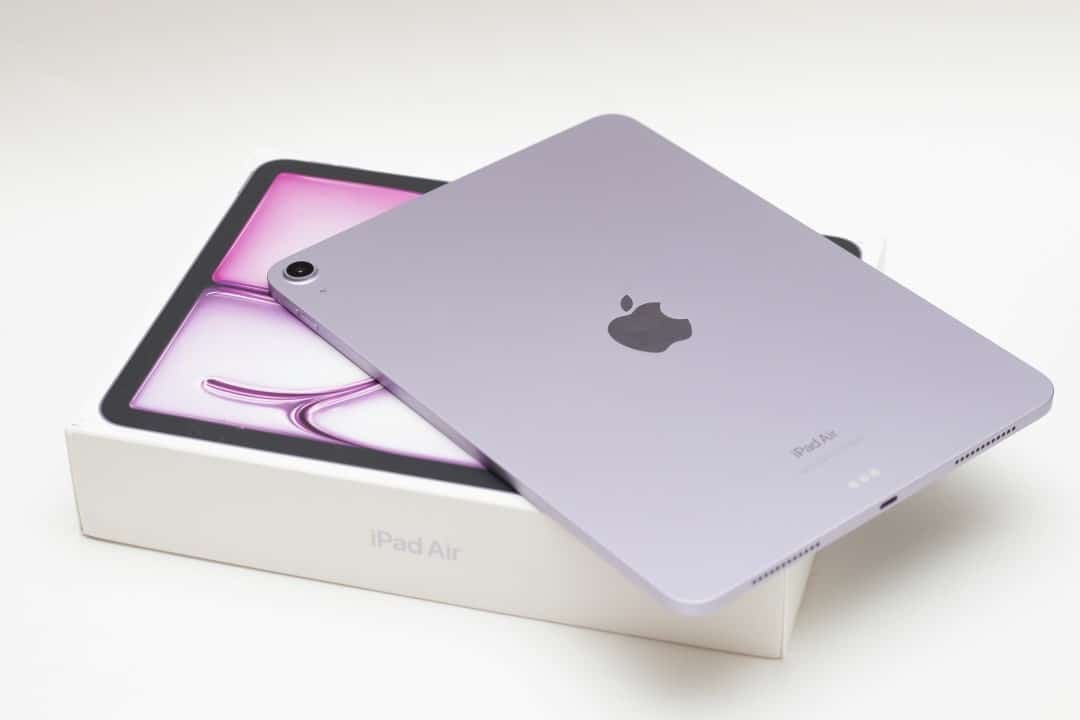
Apple’s next major software update promises to transform the way consumers use their tablets. With the imminent arrival of the iPadOS 27 operating system, the main focus is on tools based on machine learning, raising doubts about which equipment will be able to run these new features. To clarify the scenario, the North American manufacturer detailed the technical requirements necessary to download the data package and explained the hardware barriers for heavier tools.
Complete list of tablets supported by the new version of the system
The Cupertino giant has established a clear limit of generations that will have access to the renewed software. Even maintaining the tradition of ensuring longevity for your electronics, the weight of the new code required the cutting of older devices to avoid crashes and slowdowns. Check below if your equipment meets the minimum requirements to download.
- iPad Pro line with 11-inch screen: versions from the second generation onwards (equipped with an A12Z processor or higher).
- iPad Pro line with 12.9-inch screen: versions from the fourth generation onwards (equipped with an A12Z processor or higher).
- iPad Air line: editions launched from the fourth generation onwards.
- Traditional iPad line: editions launched from the ninth generation onwards.
- iPad mini line: editions launched from the sixth generation onwards.
Strict technical requirements block AI functions on older devices
Installing iPadOS 27 does not guarantee access to the full suite of innovations, especially when it comes to the Apple Intelligence ecosystem. Text and image generation tools run directly on the device to guarantee privacy, which demands brutal neural processing capacity. Because of this, the company restricted these exclusive functions to tablets running the M4 chip or newer platforms, also requiring a minimum of 12 GB of RAM to support complex calculations in real time.
In practice, a clear division is created within the updated customer base itself. A large portion of the public will be able to renew the visual interface and take advantage of security adjustments, but will be completely left out of the automated facilities that dominate the brand’s advertising campaigns. The user experience will be drastically different depending on the year of manufacture of the product the consumer has in hand.
Step by step to find out the exact generation of your mobile device
Many owners use their electronics daily without knowing exactly the year of release or the technical nomenclature of the part. Discovering this information takes just a few seconds by navigating through the device’s native menus. Carrying out this check is the first fundamental step before creating expectations about the arrival of new data packages.
- Open the “Settings” app from your tablet’s home screen.
- Navigate to the left side menu and select the “General” tab.
- Press the “About” option to view the business name and exact generation of the product.
- Return to the main menu of the “Settings” application.
- Go back to the “General” section and tap “Software Update”.
- The screen will show the current system edition and indicate a download button if a newer package is already released for your profile.
The manufacturer’s commercial strategy forces the exchange of equipment on the market
The isolation of cutting-edge tools on chips from the M4 family paints a complex scenario for those who invested in premium models a few years ago. Although these customers will receive iPadOS 27, the absence of the Apple Intelligence suite turns perfectly functional devices into software-outdated machines. This corporate maneuver has the clear objective of boosting sales in official stores, even at the risk of displeasing loyal consumers.
This gap in resources should dictate the behavior of technology retailers in the coming months, pushing enthusiastic users to purchase new units just to test automations. The movement reinforces an irreversible trend in the global industry: programming codes are evolving at such an aggressive speed that physical hardware becomes obsolete long before it presents any mechanical defects or battery wear.