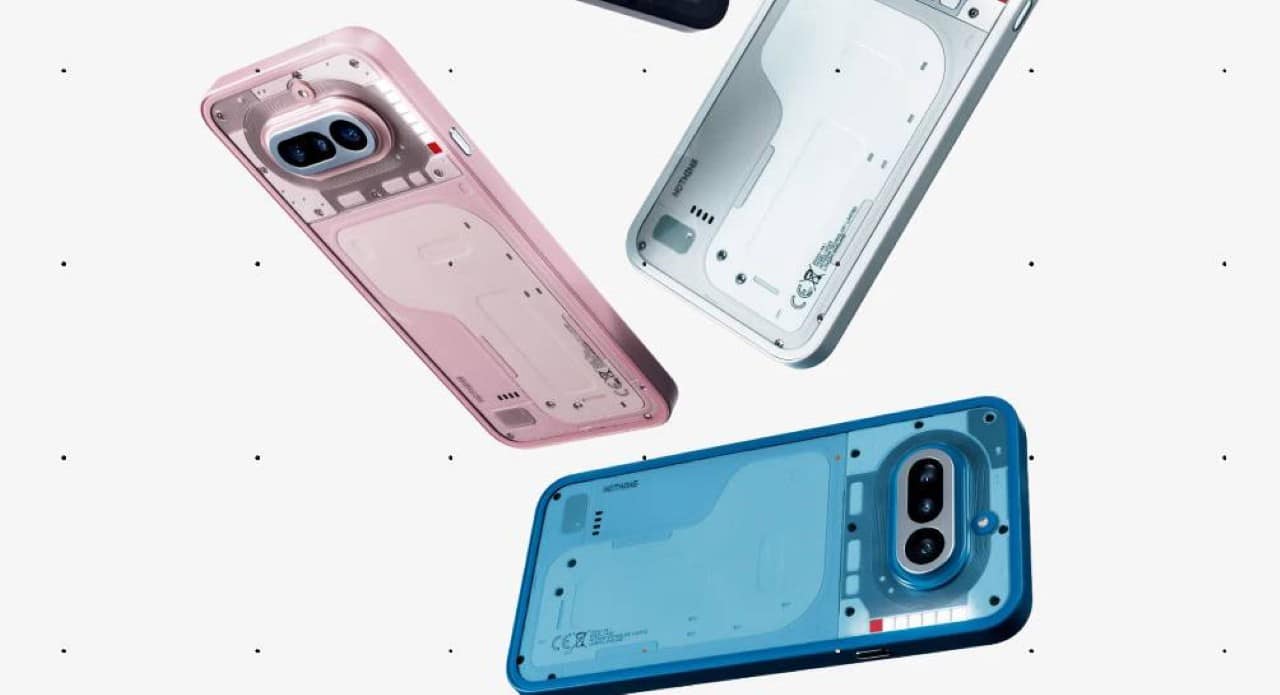
OnePlus’ departure from the US creates uncertainty about Nothing’s future in the country

After more than a decade operating in Western markets, smartphone manufacturer OnePlus has closed its operations in North America and Europe. While the company was initially focused on enthusiasts, it has made significant efforts to expand its presence, including seeking partnerships with carriers like T-Mobile.
The company’s decision, which belongs to OPPO, to concentrate its resources on the Asian market was justified as part of a global strategy that aims to maximize impact in regions where operations can be more efficient. These official explanations are often vague, but the interpretation is that the US and European markets have become more costly than beneficial.
OnePlus’ withdrawal, while regrettable news for its fans in Europe, represents an even greater shrinkage of the already tight smartphone market in the United States. Currently, American consumers mainly rely on options such as Apple, Samsung, Google and Motorola, as well as some lesser-known brands such as Blu and TCL. This scenario raises the question about the sustainability of other smaller companies, like Nothing.
Main similarities between Nothing’s current situation and OnePlus’ trajectory
The Nothing brand, although popular in enthusiast circles and portals like Android Authority, has not yet achieved massive projection. For a smaller player, each strategic move requires great caution, and Nothing already demonstrates selectivity in which products reach the American market.
A notable example is the Nothing 4a and 4b models, which were not available in the United States. Even devices that launch in the region often face challenges with carrier support, a situation that echoes difficulties OnePlus has faced in the past.
Challenges for OnePlus and Nothing with US carrier support
While many international markets prioritize the sale of unlocked devices, most buyers in the United States purchase their phones through telephone operators. The lack of direct support from operators not only affects band compatibility and the approval process, but also compromises marketing opportunities.
When a company doesn’t establish relationships with major U.S. carriers, it loses access to targeted advertising, promotional offers and the referral of sales representatives to less familiar customers. This can even generate reputation problems among users less specialized in technology, who may associate the absence in operator stores with a lower quality brand perception.
In addition to a lack of retail partnerships with major carriers, Nothing faces a technical problem: Its phones, while compatible with many common bands, may not support some crucial bands in the United States. This can make activating a Nothing smartphone a complicated process, depending on your chosen carrier.
Verizon, for example, almost completely blocks Nothing devices due to the lack of LTE band 13. AT&T, despite having better band compatibility, approved only a few selected models, making the functionality of the devices inconsistent or requiring alternative solutions. T-Mobile stands out as the best option for Nothing, with good performance for 5G and other features, but even there, features such as visual voicemail or VoLTE calls may have less reliability.