Apple confirms iOS 27 for the iPhone 11 and reveals complete list of devices

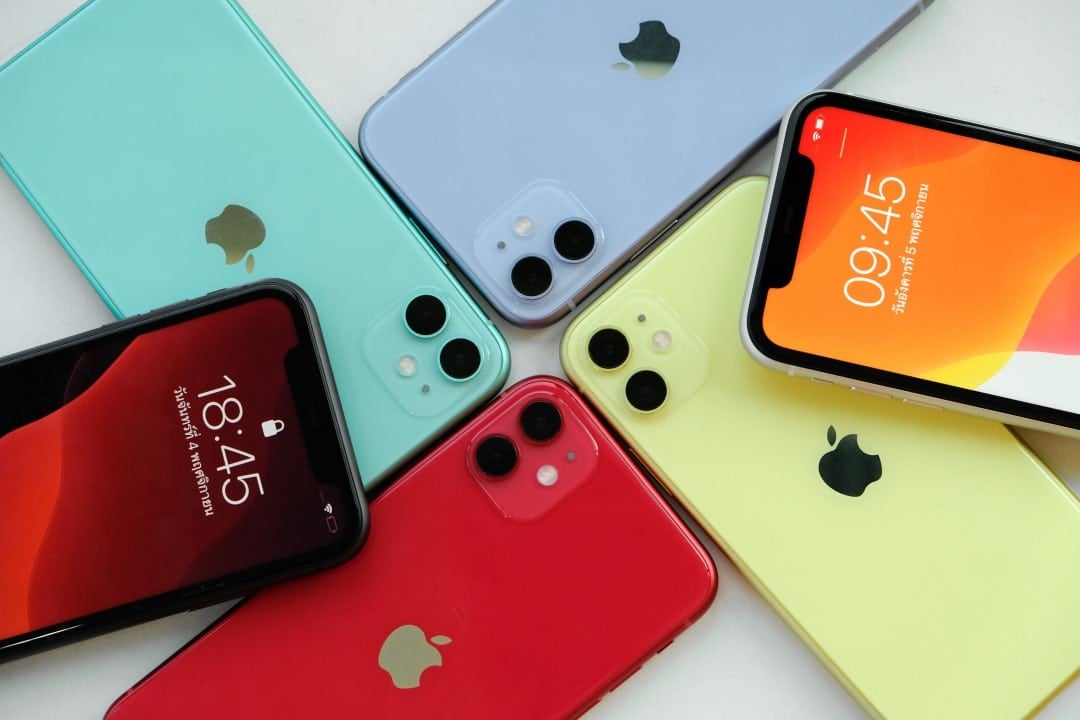
During the annual WWDC26 conference, Apple officially revealed the new generations of its operating systems, releasing the first test versions of iOS 27 and iPadOS 27 to the software creators community. The big highlight of the opening announcement was the confirmation that the Californian manufacturer decided not to abandon any smartphone that already operated the previous edition of the platform. This retention policy ensures that a huge consumer base continues to receive new code without the need to change hardware immediately.
The technology giant’s position contradicted several speculations in the financial market and famous leakers, who were betting on the end of the life cycle for phones manufactured more than five years ago. Owners of the iPhone 11, originally launched in 2019, received the guarantee that their devices remain fully eligible for this year’s software package, following all generations manufactured later.
Guaranteed survival for smartphones launched in 2019
The decision to mirror exactly the same compatibility matrix as last year makes the iPhone 11 the oldest device to support the brand’s new code architecture. By keeping this cutoff line unchanged, the company ensures that tens of millions of active phones around the world remain operational and protected against recent digital vulnerabilities.
Extending the usefulness of electronics reinforces a commercial strategy focused on customer loyalty through prolonged support, something that has historically differentiated Apple from its competitors in the Android ecosystem. Those who own the standard, Pro or Pro Max variants of the eleventh generation will be able to download the final package as soon as it is released to the public, joining an extensive catalog that encompasses the company’s most modern releases.
- iPhone 17e
- iPhone 17
- iPhone 17 Pro
- iPhone 17 Pro Max
- iPhone Air
- iPhone 16e
- iPhone 16
- iPhone 16 Plus
- iPhone 16 Pro
- iPhone 16 Pro Max
- iPhone 15
- iPhone 15 Plus
- iPhone 15 Pro
- iPhone 15 Pro Max
- iPhone 14
- iPhone 14 Plus
- iPhone 14 Pro
- iPhone 14 Pro Max
- iPhone 13
- iPhone 13 mini
- iPhone 13 Pro
- iPhone 13 Pro Max
- iPhone 12
- iPhone 12 mini
- iPhone 12 Pro
- iPhone 12 Pro Max
- iPhone 11
- iPhone 11 Pro
- iPhone 11 Pro Max
- iPhone SE (3rd generation)
- iPhone SE (2nd generation)
Reaching the sixth year of major updates puts the 2019 family at a rare level of longevity in the telecommunications industry. Industry analysts see this lifespan extension as a positive move for sustainability, although there is a clear physical limitation: the A13 Bionic processor in these older models cannot process Apple Intelligence’s complex tools. Consequently, innovations based on generative artificial intelligence will be restricted to buyers of the future 17 and Air lines, which have dedicated neural processing units.
Technical requirements for updating the brand’s tablets
The large screen ecosystem also meets strict processing criteria to receive iPadOS 27. The manufacturer has determined that only digital tablets equipped with A13 Bionic silicon or higher architectures will be allowed to install the system, ranging from options focused on professional productivity to versions aimed at casual media consumption.
- iPad Pro (M4) or newer
- 12.9″ iPad Pro (4th generation) or newer
- 11″ iPad Pro (2nd generation) or newer
- iPad Air (4th generation) or newer
- iPad mini (6th generation) or newer
- iPad (A16)
- iPad (10th generation)
- iPad (9th generation)
The entry barrier for the heavier intelligent functions on tablets has been set at 12 GB of unified RAM, leaving out the most basic machines. Despite this block in generative tools, the software package promises to optimize the management of multiple simultaneous applications, refine communication with the virtual assistant Siri and deliver more fluid navigation, benefits that can now be tested in the recently released preliminary edition.
Direct impact on the daily lives of those who own the equipment
Maintaining such an extensive list of compatible devices means that the end consumer gains more time before needing to invest in a new phone. The software engineering team’s focus was on fixing structural flaws, increasing interface response speed, and strengthening data privacy protocols. Initial reports from programmers who installed the interim code point to a more agile execution of messaging and social media platforms.
Creative studios are already working on restructuring their codes to take advantage of the new application programming interfaces made available by the Cupertino giant. The official schedule foresees the release of the stable version for all customers in September, coinciding with the arrival of autumn in the northern hemisphere. Although the test file is already circulating on technology forums, experts strongly advise against installing it on everyday cell phones due to the risk of severe crashes.
The 2019 line remaining on the news calendar represents a significant victory for the refurbished and used appliances market. There was a strong expectation that the company would streamline its support portfolio to force migration to modern hardware, but the choice to maintain democratic access to the operating system consolidates the manufacturer’s image as a long-term service provider.
Innovations focused on artificial intelligence and visual personalization
The event’s keynote presentation was largely dominated by demonstrations of machine learning running directly on devices. The new digital environment brings a profound overhaul to Siri’s ability to understand context, in addition to introducing advanced panels for editing photos. New visual elements, commercially called Liquid Glass, arrive to offer owners new ways to change the aesthetics of their home screens.
There is a purposeful fragmentation in the delivery of these features, based purely on the processing capacity of each generation. Phones fresh from factories can perform complex neural network calculations without depending on external servers, guaranteeing instant responses. The company has established strict rules about which electronic component is needed to unlock each level of innovation.
Essential steps before installing preliminary versions
Enthusiasts who want to try the virtual environment before the official launch must save a backup copy of all their files in the cloud or on their computer. The path to download the package occurs directly through the system settings menu, in the updates tab. While professionals registered on the company’s portal are already exploring the code, the general public will need to wait until July to have access to a more stable build.
The refinement work done behind the scenes on the source code promises to deliver extra breath to even the most time-worn electronic components. Preliminary evaluations of the system’s behavior indicate that the transition between open windows consumes less battery and that the loading time of heavy software has decreased considerably compared to the previous generation of software.