
Audi prepares arrival of the A2 e-tron with 649 km of autonomy and unprecedented price

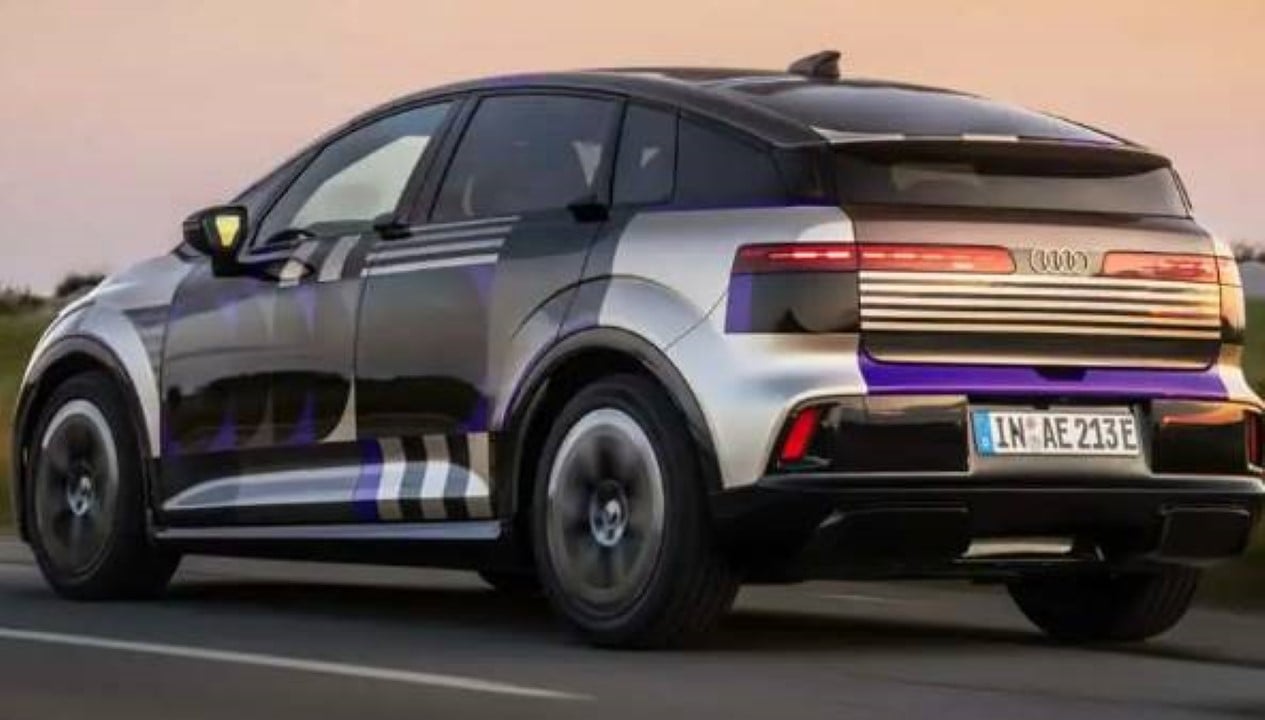
German automaker Audi is in the final stages of introducing the world to the unprecedented A2 e-tron, a compact electric vehicle designed to transform the company’s portfolio. With the promise of combining low energy consumption and a more attractive purchase price, the hatch revives the philosophy of the old model of the same name. Initial details emerged at the beginning of August, while the definitive reveal will take place in the final months of the year, consolidating the car as the most economical project ever developed by the manufacturer.
Surprising consumption results in the European cycle
Preliminary assessments based on the rigorous WLTP standard showed that the launch uses only 12.8 kWh to travel 100 kilometers. This index places the hatch in a prominent global position among battery-powered cars. In the Brazilian scenario, where several electric cars exceed the 14 kWh/100 km mark, this efficiency represents considerable savings in daily use. The manufacturer explained that the excellent performance was obtained thanks to an optional aerodynamic kit, capable of saving up to 0.9 kWh for every hundred kilometers driven.
Advanced upwind solutions and LFP cell adoption
The compact’s body was designed to cut through the air with minimal resistance, achieving a drag coefficient (Cx) of just 0.24, the best number among the brand’s smaller cars. To reach this mark, engineers installed an active front grille that blocks air passage at high speeds, but opens automatically during quick recharges or days of intense heat to cool the components. The design also includes strategically positioned deflectors and air curtains to optimize fluidity.
In the lower part of the chassis, the entry configuration will use a lithium iron phosphate (LFP) battery pack with a useful capacity of 58 kWh, structured in a cell-to-pack format. This assembly method dispenses with traditional modules, attaching the cells directly to the base of the vehicle to maximize internal space. Opting for LFP chemistry reduces manufacturing costs and guarantees greater useful life and thermal safety, compensating for the lower energy density when compared to nickel, manganese and cobalt (NMC) compounds.
Engine options, maximum range and financial positioning
The access model will leave the factory with a rear propeller capable of generating 187 horsepower. However, recent leaks on the automaker’s official page in Germany revealed that the line will feature three other variants, delivering 167 hp, 228 hp and up to 321 hp in the top-of-the-line option. The configuration focused on long trips, probably combining the 228 hp engine with a 79 kWh NMC accumulator inherited from Volkswagen projects, promises to travel up to 649 kilometers on a single charge.
See below the main technical and commercial highlights of the new hatch:
- Input Thruster:187 horsepower.
- Performance Variations:167 hp, 228 hp and 321 hp.
- Maximum projected range:649 kilometers in configuration with 79 kWh battery.
- Basic version accumulator:58 kWh with LFP chemistry.
- Initial value on the European market:from 38,200 euros (around R$220 thousand in direct conversion).
Charging 38,200 euros for the basic configuration, the manufacturer establishes its cheapest electric car in current history. This aggressive positioning aims to steal customers from direct rivals on the European continent, such as the recently launched Volvo EX30, taking advantage of the high demand for sustainable urban models. If it arrives in Brazil, the hatchback will maintain its status as a luxury product due to import taxes, but will act as the most accessible step for those who wish to join the German brand’s electrified universe.
Bidirectional systems turn the car into a portable generator
One of the project’s major innovations is the inclusion of bidirectional charging technologies, known as Vehicle-to-Load (V2L) and Vehicle-to-Home (V2H). The V2L system provides a conventional socket in the luggage compartment, allowing the driver to use energy from the main battery to connect power tools, computers or camping equipment with a power of up to 2.3 kW. This function turns the car into a true mobile power station for remote areas.
On the other hand, V2H functionality goes further and allows the car to power the electrical grid of an entire home, requiring only a compatible distribution board. Thinking about the reality of many Brazilian consumers who face constant power outages, having a car capable of keeping the refrigerator and lights working is a huge difference. The technology also makes life easier for those who have solar panels, allowing them to store the energy generated during the day for use at night in the home.
Heritage from the 2000s and the new phase of premium mobility
Reviving the nomenclature directly refers to the hatch marketed in the early 2000s, famous for its exotic silhouette and obsessive search for fuel economy. At that time, the vehicle used an aluminum structure (Audi Space Frame) which made it extremely light, but very expensive to produce and repair, which limited its commercial success. Now, the electric reincarnation corrects the mistakes of the past, maintaining the focus on aerodynamic efficiency without compromising the financial viability of the project.
The introduction of a premium product focused on cost-benefit and low electricity consumption has the potential to shake up competition in the automotive sector. By proving that it is possible to deliver cutting-edge technology, durable batteries and refined aerodynamics for less money, the company is putting pressure on other luxury brands to follow suit. This movement is essential to accelerate the adoption of emission-free vehicles, forcing the market to offer smarter and cheaper options for the end consumer.





