
Impact of Harry and Meghan’s departure on the British monarchy is very serious, says author

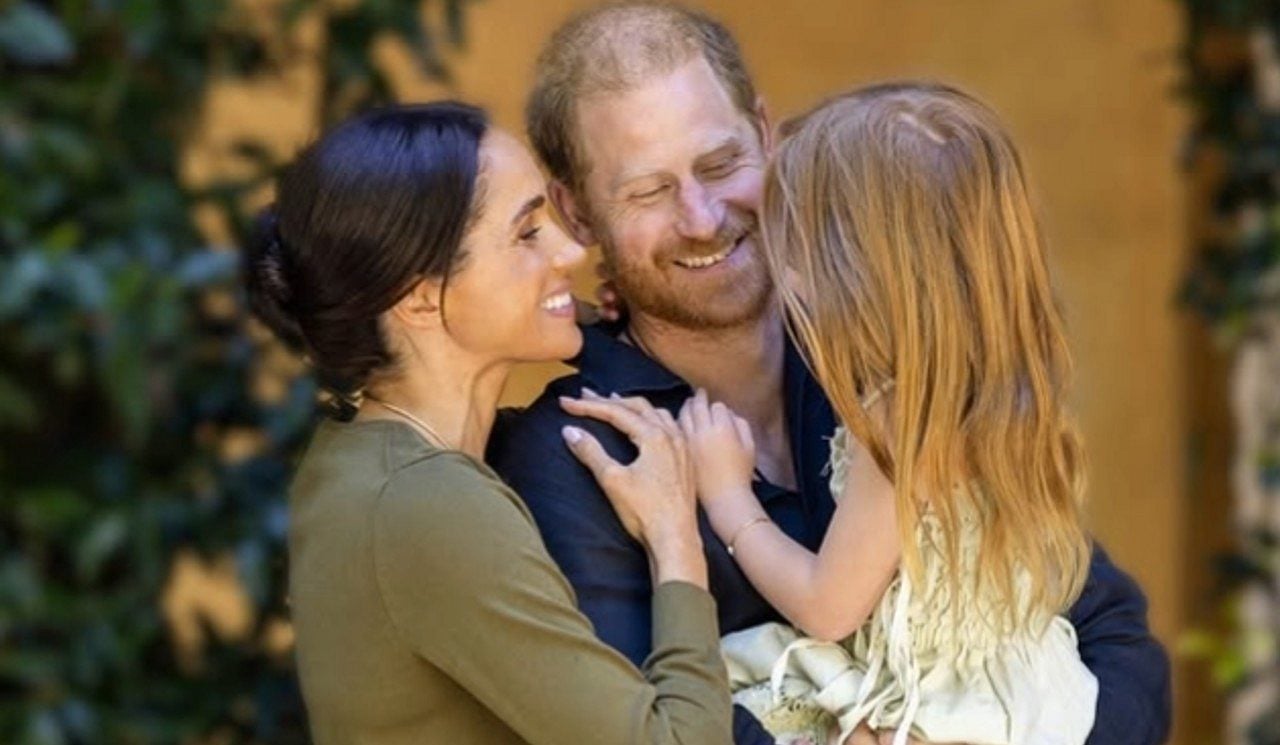
An author focusing on the British royals claims that the departure of the Duchess of Sussex, Meghan Markle, along with Prince Harry, has caused “very serious damage” to the monarchy as it turns 45.
Catherine Mayer, who wrote the book “Divide & Rule”, shared with the press that the family breakup that took Meghan and Harry to the United States severely damaged the monarchical institution.
However, Mayer clarifies that he does not blame them for the events, recognizing that the situation was painful for everyone involved, including the institution itself. She points to the most recent popularity polls, which indicate a decline in support for the monarchy.
Commentators suggest that Prince Harry longs for his former royal life, as the experience in the United States did not live up to his expectations. This underlines the complexity of the couple’s transition and “why it matters” to the royal image.
The Duke and Duchess of Sussex announced their step back from senior royal duties in 2020, citing intense British media coverage and a lack of support from the royal family. After moving to California, they expressed their dissatisfaction in several interviews and documentaries. Harry’s memoir “Spare,” released in 2023, delved into family tensions.
In July, Meghan planned to accompany her husband to engagements in the United Kingdom. However, safety concerns prevented her and the couple’s two children, Prince Archie and Princess Lilibet, from making the full trip.
Despite their absence from public appearances, the Sussexes had a private meeting with King Charles and Queen Camilla on July 10, marking Meghan’s first visit to England since 2022.
Expert analysis of the damage to the monarchy following the departure of the Sussexes

The couple lost their right to taxpayer-funded security when they stopped being active members of the royal family. The Duke of Sussex has repeatedly sought the reinstatement of this protection, citing concerns for his family’s safety.
Mayer argues that while polls in the United Kingdom show that the royal family has lost popularity largely due to Andrew Mountbatten-Windsor — who was stripped of his princely title following his controversial relationship with late sex offender Jeffrey Epstein — the Sussexes’ departure has meant the loss of a unique ability to connect the royals with younger audiences. This gap, according to her, is no longer filled by other members.
The author believes that only Kate and William have the potential to make this connection, but her approach is considered more “conservative” in relation to modern expectations.
Even though they are young, Kate and William are in their 40s, and their children are very young. There is no one between Prince George and his parents, William and Kate, to capture the imagination of younger audiences. Harry and Meghan are similar in age but had a broader appeal, something that has now been lost.
Royal commentator Ian Pelham Turner corroborates this view, noting that family divisions remain unresolved despite recent hints of reconciliation.
Turner reckons there are “significant rifts” in the royal family over Meghan and Harry, especially between King Charles and Prince William, who are reportedly at odds over the couple. He cites a recent private meeting at Highgrove that would have taken William by surprise. The possibility of Harry returning to use Buckingham Palace may be a breakthrough for Meghan, but a “deep wound” for William.
While Meghan’s relationship with King Charles has reportedly softened following this summer’s private family reunion, multiple reports continue to describe her ties with William and Kate as distant, with little evidence that the royal rift has fully healed.
Mayer addresses the bullying allegations made against Meghan, noting that they emerged around the same time as the 2021 Oprah Winfrey interview, which led many to suspect an attempt to undermine Meghan’s statements. The author explains that there were already reports of friction in the palace long before the story came to light, indicating “real friction” without necessarily constituting harassment.
She adds that “people were very hurt by the experience,” including Meghan herself. Indeed, genuine friction existed between the brothers, William and Harry, as well as between women and within the palace system. Mayer suggests that Meghan has not understood that the monarchy will always prioritize the monarch and the direct heir, and that its members become uneasy when someone appears more prominent and glamorous than the institution itself.
Mayer emphasizes that the last thing the royal family wanted was to make her a big star.
Turner points out that Meghan is not the only person to have faced difficulties with the “Firma”, the monarchy’s nickname.
Outsiders are accepted as long as they do not become more powerful or overshadow family members. Turner recalls that King Charles hated being overshadowed by Princess Diana in public appearances, which he believes was one of the reasons for their divorce. He suggests that palace staff and royals saw Meghan’s charm transform her into another potential Diana.
However, British royal expert Hilary Fordwich argues that the mistakes made by the Sussexes cannot be ignored as they have contributed to the royal family’s estrangement.
Fordwich declared that Harry and Meghan did not just make a silly mistake, but rather “undertook a deliberate and fundamentally harmful strategy to undermine the royals”, which she considers inexcusable. She claims that the Firm was very welcoming to her, relaxing the rules and making exceptions, but Meghan frustrated everything by not wanting to learn or accept advice. As a result, King Charles and Prince William now lead a stricter and more disciplined monarchy.
Fordwich adds that things could have been very different if Meghan had dedicated herself to duty rather than her own exaltation.
British commentator and photographer Helena Chard also stated that the secret to being a successful member of the British royal family is the ability to adapt quickly.
Chard explains that although the House of Windsor may seem rigid, it has functioned with precision and survived throughout history. The main lesson for anyone who marries the Firm is to adapt. Both Princess Catherine and Meghan entered as outsiders. However, one chose to learn about the institution. The system is challenging, but it has also offered support to Meghan. The system cannot save those who do not collaborate. The institution expects “sacrifice before platform”.
Chard also notes that Harry himself had been talking about leaving royal life for years, and Meghan merely gave him the “push.” Better handling of the situation could have delayed the decision, but would not have prevented it, according to her.
Mayer reiterates that Meghan faced an uphill battle from the beginning, and that the situation was not entirely her fault. She challenges the common assumption that Meghan Googled Harry before they became involved.
The author, who has long covered the monarchy and is a biographer of the now King Charles, is still surprised by the strangeness of royal culture and how it differs from any other.
Mayer also recalls the criticism Meghan received when she simulated a bow to the late Queen Elizabeth II in the documentary series “Harry & Meghan”. She argues that the public missed the main point, which was the strangeness of having a family where, even in private, one bows to the monarch and follows an order of precedence. The monarchy, according to her, is essentially a medieval institution with some modern characteristics superimposed.
Chard concludes that “the damage has been done” following Meghan and Harry’s departure. She says the royal family has “moved on”, prioritizing the future. While there is always hope for reconciliation, she stresses that the process will take time for all sides.
She ends by saying that “trust takes years to rebuild.”





