Rumor about iPhone 18 Pro costing $300 more raises alarm in the market

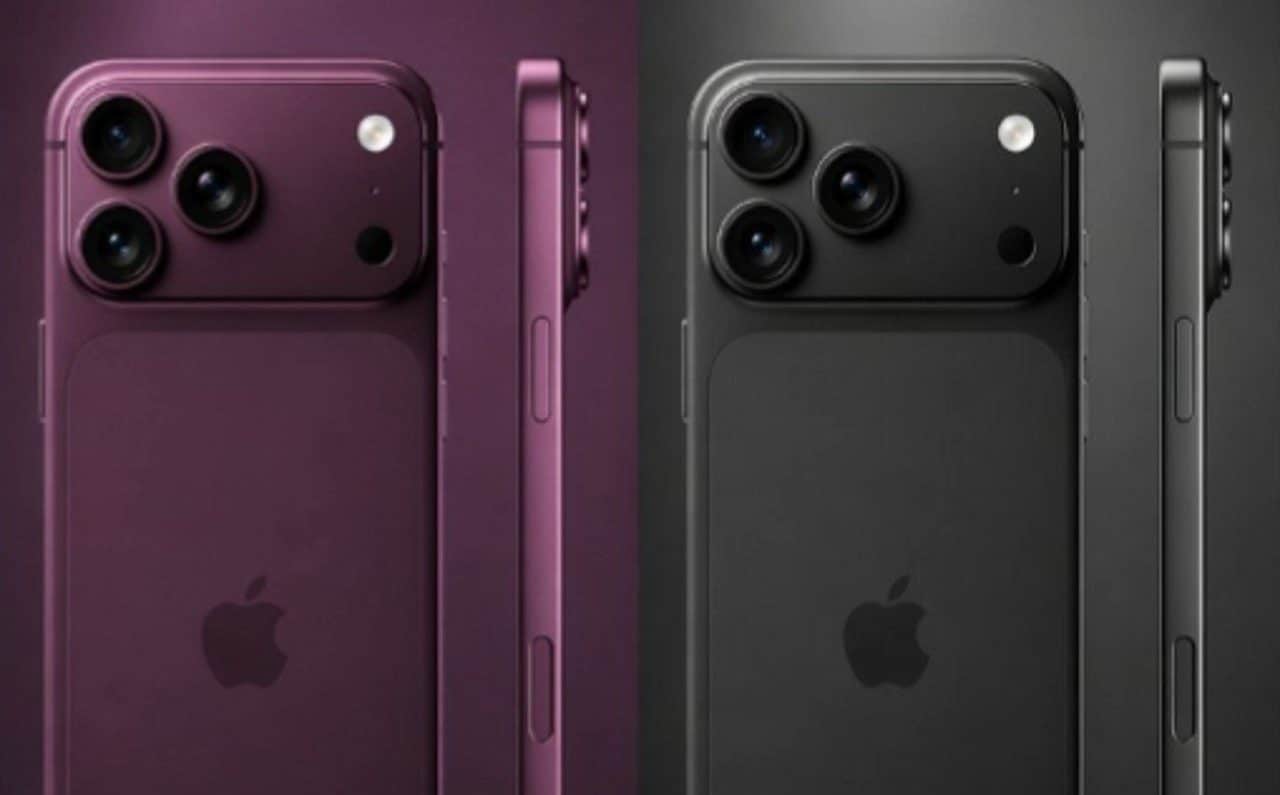
The backstage of the mobile device industry is abuzz with recent leaks pointing to an aggressive change in Apple’s commercial strategy for 2026. Preliminary information suggests that the future iPhone 18 Pro could land in stores starting at US$1,399. This financial leap represents an increase of exactly US$300 compared to the current generation, representing a 27% increase that already arouses distrust among sector experts. Although the manufacturer is historically associated with high-cost products, the proportion of this adjustment raises doubts about public acceptance when the device is officially announced in September 2026.
Drastic change in the technology giant’s value table
Raising the starting threshold from US$1,099 to the US$1,399 range is considered a risky step, even for a corporation with highly loyal customers. Market analysts estimate that this movement may be directly linked to rising production costs, especially with the expected adoption of 2-nanometer processors from TSMC and the integration of more robust hardware to support advanced artificial intelligence tools. To understand the magnitude of this change, just look at the brand’s computer ecosystem: when the entry-level MacBook Pro was increased by US$300, going from US$1,699 to US$1,999, the percentage impact was just 18%. Applying an identical nominal increase to a cell phone demonstrates that the company is trying to set a new ceiling for the pocket device category.
Recent history of increases in the brand’s computers
The tactic adopted by the Cupertino-based company of passing on operational costs to the end consumer is not an isolated novelty. Often justifying its decisions with the rise in prices of internal components, such as memory modules and high-speed storage, the manufacturer has already applied similar adjustments to its IT portfolio. Some clear examples of this financial restructuring include:
- The entry-level model of the MacBook Air was increased by US$200, going from US$1,099 to US$1,299 in official stores.
- More affordable equipment in the Mac line, which previously attracted consumers at a starting price of US$599, also became US$100 more expensive, settling at US$699.
- The category aimed at professionals, represented by the basic MacBook Pro, registered a jump of US$300, from US$1,699 to reach US$1,999.
These changes on different sales fronts demonstrate a continuous effort by the corporation to protect its profit margins. In a scenario of global economic instability and pressured supply chains, the strategy appears to focus on extracting more revenue per unit sold, rather than betting purely on massive sales volume.
The corporate view on the balance between sales and profits
Apple’s executive director, Tim Cook, has already publicly detailed how the board views pricing during meetings with investors. The executive clarified that the mathematics behind the labels involves a complex analysis that crosses volume of units sold, total revenue and profit margin, resulting in a business decision focused on long-term sustainability. Management avoids taking measures based solely on pressure for immediate quarterly results. However, applying a 27% shock to the value of the iPhone 18 Pro puts this philosophy to the test, as an increase in prices of this magnitude has the immediate potential to bring down the metric of units sold, requiring the margin to compensate for the flight of buyers.
Direct impact on the pocket of those looking to change cell phones
For the end consumer, such a severe price escalation completely changes the consumption dynamics, mainly affecting those who prefer to pay for the equipment in cash. A higher barrier to entry serves as a natural brake on the habit of changing smartphones annually or every two generations. With the promise that the 2026 lineup will bring profound technological innovations, many users may prefer to stretch the useful life of their current devices, waiting to see if the real news justifies emptying their bank accounts.
As a way to mitigate this financial shock, the manufacturer is investing heavily in its official update program, which works as a type of subscription where the customer pays monthly fees and receives a new model every year. This modality dilutes the weight of the increase, making the transition less painful for the monthly budget. However, this facility is restricted to specific markets and a smaller portion of the user base, leaving the vast majority of the global public exposed to the full price and its direct consequences.
Domino effect between the main rivals in the premium sector
If Apple effectively prices the iPhone 18 Pro at $1,399, the entire luxury mobile device ecosystem will take a considerable hit. As it is the main trendsetter in this niche, the brand ends up serving as a parameter for major competitors, such as Samsung and Google, to also inflate their catalogs. Rival manufacturers that deliver equivalent performance may feel comfortable making their top-of-the-line models more expensive or will use the price difference as a marketing weapon to attract dissatisfied consumers. The practical result of this movement will be the creation of an even greater gap between ultra-premium phones and intermediaries, transforming access to cutting-edge technologies into an increasingly exclusive privilege that is far from the reality of the majority.