Apple defines strategy for 2026 with foldable cell phone and variable aperture lens
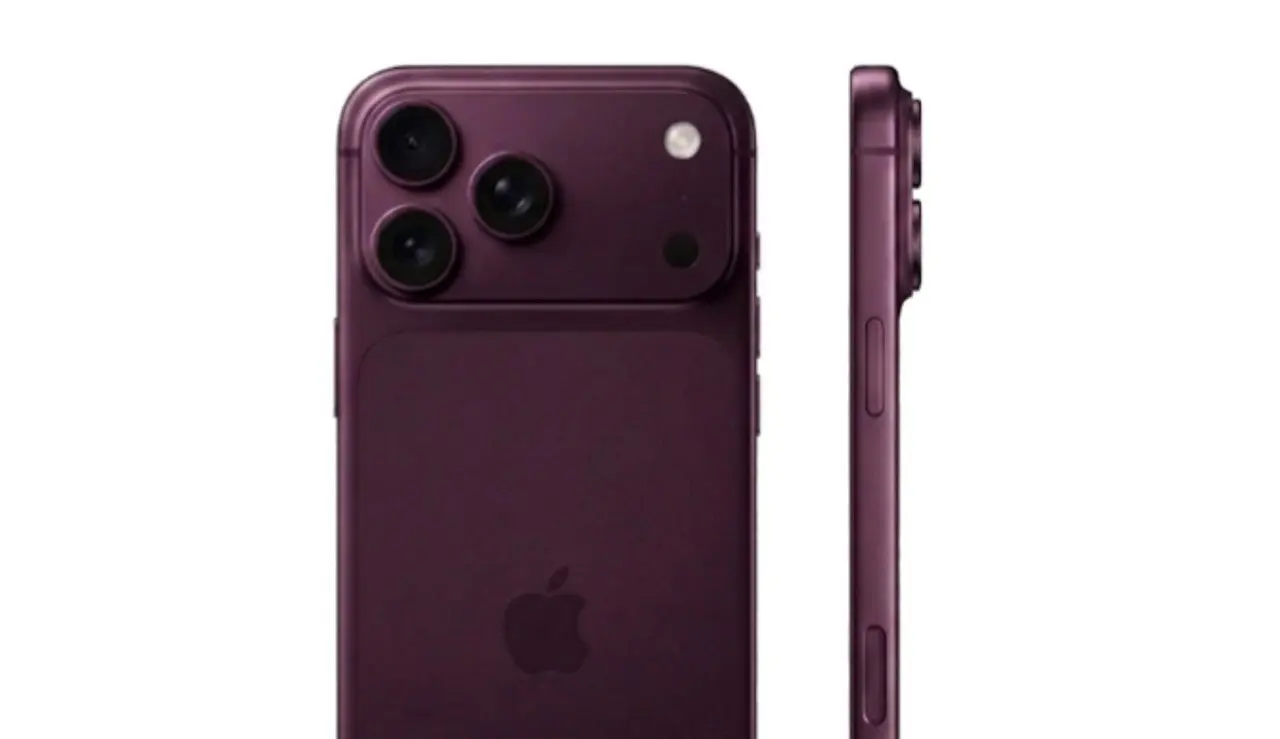
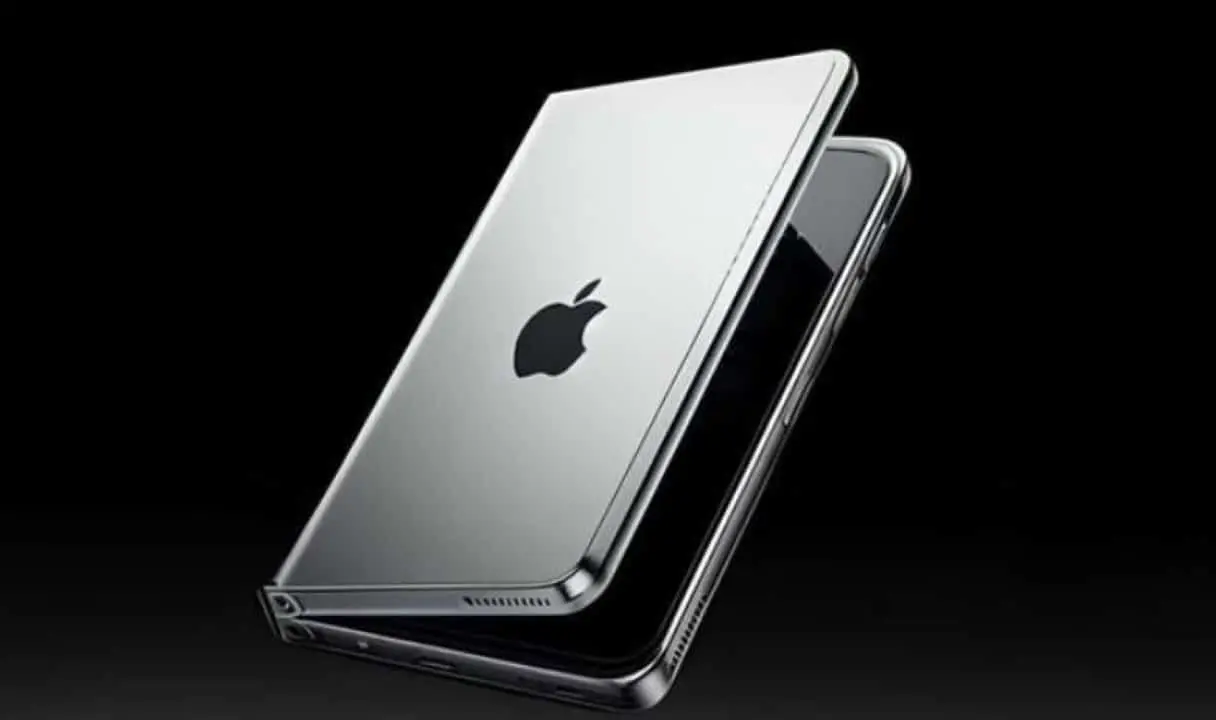
The Cupertino giant plans a profound restructuring of its premium smartphone catalog for the second half of 2026. The company’s strategic planning divides its focus between improving the traditional line, represented by the iPhone 18 Pro, and entering an unprecedented segment with the iPhone Ultra. This latest model marks the manufacturer’s official debut in the flexible screen device market, delivering a 7.8-inch internal display. The decision to offer two distinct paths aims to serve both consumers seeking technological security and enthusiasts of new visual formats.
The move comes at a crucial time for the mobile device industry, where Asian competitors have already dominated the foldables niche for several generations. The American manufacturer’s strategy focuses on refining photographic and battery technologies in the conventional model, while testing public acceptance with the book format. Each device delivers a set of specifications aimed at completely different usage profiles, requiring a careful analysis of the end user’s priorities before purchase. The brand’s history shows that late entries into new technologies tend to focus on correcting mistakes made by rivals.
Two-nanometer architecture guarantees leap in processing
The heart of both launches will be the new A20 processor family, manufactured by Taiwanese giant TSMC under 2-nanometer lithography. This architectural transition represents a milestone in semiconductor engineering, allowing billions of additional transistors to be allocated in the same physical space on the chip. Preliminary supply chain data points to a speed gain of around 15%, accompanied by a drastic 30% reduction in energy consumption compared to the previous generation A19 processor.
More on this story: Unreleased details reveal Apple’s foldable cell phone and new look in 2027
The distribution of firepower will follow a clear hierarchy within the 2026 portfolio. The Pro line variants will receive the A20 Pro chip, equipped with extra graphics processing cores and an expanded neural engine for complex artificial intelligence tasks running locally. The flexible model will remain with the base version of the component, a decision that reflects the need to control internal heating in a chassis with severe thermal dissipation restrictions. The manufacturer still keeps the exact details of this division under industrial secrecy.
Photographic set exposes the limitations of the flexible format
The image capture department reveals the biggest technical gap between the two proposals developed for the market. The high-end conventional model will sport a rear module with three advanced sensors, introducing variable aperture technology to the 48-megapixel main lens. The physical mechanism changes the diameter of the diaphragm according to the ambient lighting, delivering natural optical blur and greater sharpness in nighttime scenarios, reducing dependence on software algorithms to correct exposure.
The version with a folding screen suffers significant cuts in this department due to the complexity of its physical construction. The space occupied by the central folding mechanism prevents the installation of the telephoto sensor with eight times optical zoom, restricting the device to just two rear cameras. The structural sacrifice highlights the miniaturization challenges the manufacturer faces when trying to balance innovative design with high-performance components. A future project foresees even larger sensors for the line, but the schedule indicates that this improvement will last for the following years.
- Conventional model system: three rear sensors, movable diaphragm mechanism and unique long-range telephoto lens.
- Flexible device configuration: dual 48 megapixel module, lack of dedicated optical zoom and reduced thickness focus.
- Practical advantage: absolute superiority of the traditional version in night photography and detailed captures of distant objects.
Power autonomy raises doubts about the dual screen
Energy management presents opposite scenarios when we analyze information leaked from Asian assembly lines. The iPhone 18 Pro Max has confirmed robust specifications, including a power cell with a capacity between 5,100 and 5,200 mAh. The component will work together with new generation LTPO+ panels, capable of reducing the refresh rate to save load when reading texts or displaying static images. This combination guarantees a real improvement in screen-on time for heavy users.
See Also

Coldplay reaches new global tour attendance record and surpasses Taylor Swift

Qantas Airbus jet completes first test flight for route between London and Sydney

Saudi Arabia advances in the construction of the Jeddah Tower, the future tallest building in the world
The expandable screen device landscape remains surrounded by technical uncertainties and engineering challenges. Powering a 7.8-inch internal panel requires a massive amount of energy, but the weight of the hinge prevents the inclusion of a high-density battery without compromising everyday ergonomics. With a designed thickness of 11 millimeters when closed, the internal space available for the force cell is extremely limited. Industry sources avoid naming the exact capacity, making a fair comparison of autonomy impossible at this time.
Structural challenges and the absence of established technologies
The late entry into the flexible screen segment does not exempt the manufacturer from the chronic problems that have affected this category of products since its creation. The resistance of the folding mechanism over the years, the visible mark in the center of the display and the fragility against accidental falls are risk factors for first-time buyers. The company invests heavy resources to eliminate the central crease, an aesthetic flaw that other brands have been trying to mitigate for half a decade, but the success of this endeavor will only be proven after mass production.
Learn more: How the iPhone 18 Pro will outsell Apple’s first foldable cell phone
Design concessions directly affect the accessories ecosystem built by the brand in recent years. The lack of internal space resulted in the removal of native support for the MagSafe magnetic system on the expandable device, breaking compatibility with popular chargers, wallets and vehicle mounts. On the other hand, the traditional version maintains dimensions almost identical to the previous generation, guaranteeing full support for peripherals and delivering an operating system perfectly calibrated to its screen proportions.
Purchasing targeting focused on user needs
Consumer choice at the end of 2026 will strictly depend on the level of risk they are willing to take with their money. The traditional model with three cameras represents the pinnacle of technological refinement, ideal for those who prioritize professional-level photographic quality, long-lasting battery life and a complete ecosystem of accessories. The presence of the variable aperture lens and the proven energy efficiency of the new processor make this device the safest option with the lowest depreciation in the long term.
Investing in the book format requires caution and a real need for a larger viewing area for productivity or media consumption. Photographic limitations, the lack of magnetic charging, and doubts about the screen’s durability indicate that waiting for a second iteration of the product may be the smartest decision for the majority of the public. The first generation of a new form factor always functions as a consumer-funded testing laboratory, requiring tolerance to structural flaws that current engineering has not yet fully overcome.