
Audi prepares launch of the A2 e-tron with a range of 649 km and unprecedented price

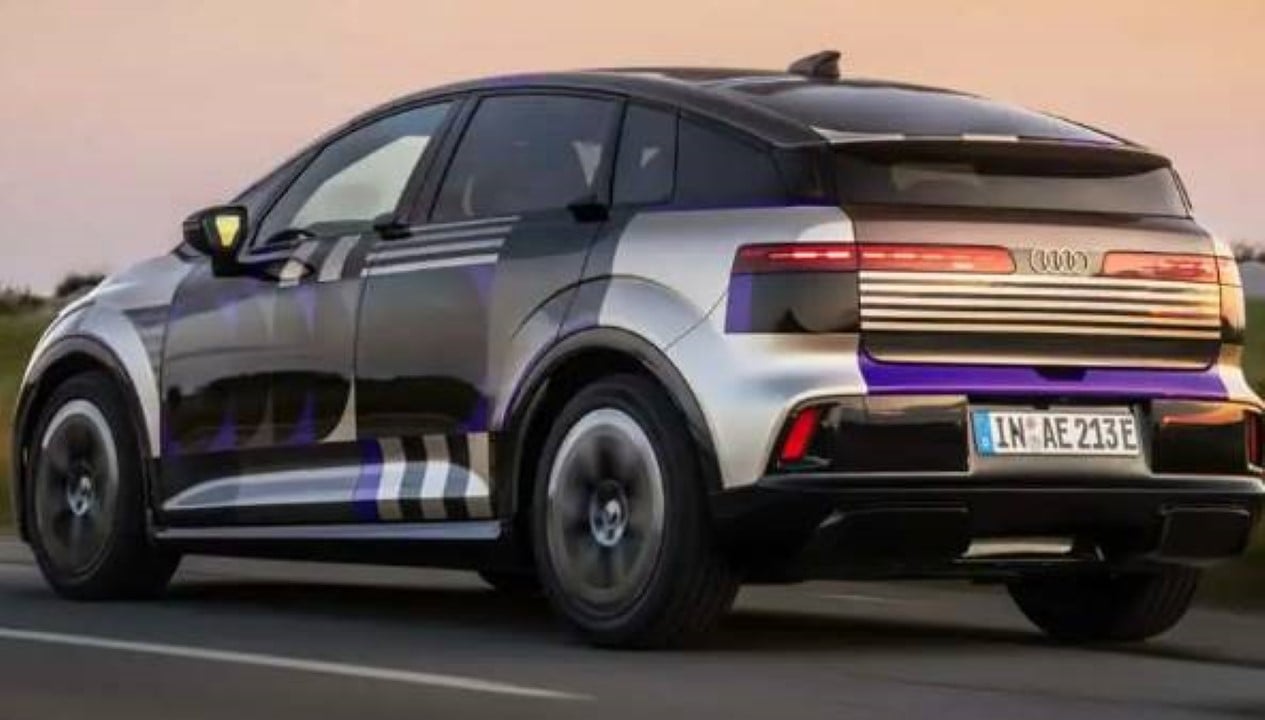
German manufacturer Audi is organizing the world premiere of its latest battery-powered compact model, the A2 e-tron. The car arrives with the mission of transforming the company’s portfolio, delivering high performance combined with a more attractive value label for the automaker’s standards. Initial details emerged on August 4th, bringing forward the full reveal scheduled for the final months of the year. Experts in the automotive sector expect this launch to be consolidated as the lowest energy consumption product ever developed in the company’s history.
Surprising energy consumption results in the European cycle
Preliminary assessments conducted under the strict WLTP standard showed that the vehicle uses just 12.8 kWh to travel 100 kilometers. This index places the launch in a prominent global position among compact cars powered by electricity. Looking at the reality of consumers in Brazil, the data draws attention because it goes head to head with several models sold in the country that exceed the 14 kWh mark per 100 km, guaranteeing real savings on the electricity bill. The manufacturer explained that this level was reached thanks to an aerodynamic package sold separately, which can reduce energy consumption by up to 0.9 kWh/100 km.
Advanced upwind solutions and adoption of phosphate batteries
The compact’s body was designed to the millimeter to cut the wind, achieving a drag coefficient (Cx) of just 0.24, the best number ever seen in the brand’s entry-level category. To achieve this milestone, engineers installed active front grilles that block airflow at cruising speeds, but open automatically during ultra-fast recharging or days of extreme heat to cool components. The design also includes side deflectors and specific ducts on the wheels that direct the air flow with precision.
In terms of energy storage, the access configuration will use lithium iron phosphate (LFP) cells with a useful capacity of 58 kWh, assembled in the modern cell-to-pack format. This assembly method eliminates the old intermediate modules, fixing the cells directly to the chassis structure to optimize internal space. Opting for LFP chemistry in the cheapest variant makes commercial sense, as it makes manufacturing cheaper and guarantees a prolonged useful life with less risk of fires, compensating for the fact that it stores slightly less energy per kilogram than traditional nickel-manganese-cobalt (NMC) batteries.
Engine power and projected values for European dealerships
The base model will leave the factory powered by a rear propeller capable of generating 187 horsepower. However, recent leaks on the company’s official portal in Germany confirmed that the line will have a wider range of options, delivering 167 hp, 228 hp and even a sports version with 321 hp. Those looking for the greatest possible distance away from sockets will be able to travel up to 649 kilometers on a single charge, a configuration that should combine the 228 hp mid-range engine with a huge 79 kWh NMC battery pack, a mechanical set similar to that seen in the corporate cousin Volkswagen ID.3.
See below a summary with the technical specifications and financial projections of the project:
- Input Thruster:187 horsepower.
- Performance Variations:167 hp, 228 hp and top of the line with 321 hp.
- Estimated maximum range:649 kilometers (using 228 hp engine and 79 kWh NMC package).
- Initial version storage:58 kWh with LFP chemistry.
- Initial cost on the Old Continent:starting at €38,200 (around R$220,000 in direct conversion without taxes).
Pricing from €38,200, the automaker makes this launch its cheapest electric car in current showrooms. This aggressive pricing comes at a time when buyers around the world are demanding sustainable options that don’t empty bank accounts. Bringing this reality to the Brazilian market, the compact will continue to be positioned on a luxury shelf, but will compete directly with established rivals such as the Volvo EX30, serving as a highly competitive stepping stone for those who wish to enter the electrified universe of the four-ring brand.
Turning your car into a power generator for homes and camps
The project leaves the factory with bidirectional energy systems, technically known as Vehicle-to-Load (V2L) and Vehicle-to-Home (V2H). The first function transforms the trunk into a huge 2.3 kW power socket, allowing the driver to turn on electric barbecues, work tools or lighting equipment using the car’s own charge. This tool completely changes the dynamics of traveling to remote areas or camps where there is no electrical infrastructure.
On the other hand, the V2H system can transfer the vehicle’s electricity directly to a home’s light panel, requiring only a compatible wall charger. Thinking about Brazil’s infrastructure, where storms frequently knock out the power grid in several cities, having a car in the garage that works as a silent emergency generator is a huge difference. Residents who have solar panels can also use their cars to store the energy generated during the day and consume it at night, eliminating dependence on local utilities.
Connection to the past and pressure on competing luxury brands
Naming the new project A2 is a direct tribute to the controversial and innovative minivan launched by the company in 1999. At that time, the original car shocked the market by using an entire aluminum body, called the Audi Space Frame, to reduce weight and save fuel, in addition to featuring a sealed hood that the owner could not open easily. Bringing this name back, now in the battery era, reinforces the engineering department’s obsession with creating products that challenge the limits of aerodynamic and structural efficiency.
Putting a premium product on the streets that simultaneously focuses on low consumption and reduced price forces the entire automotive industry to move. By proving that it is possible to deliver cutting-edge technology, durable batteries and impeccable aerodynamics without charging exorbitant prices, the German manufacturer is putting pressure on its direct rivals to abandon the comfort zone of giant and expensive SUVs. This movement accelerates the popularization of clean technology, forcing the luxury market to look more closely at the real needs of urban drivers.





