
Bomb cyclone generates red alert and winds of up to 100 km/h on the coast of São Paulo

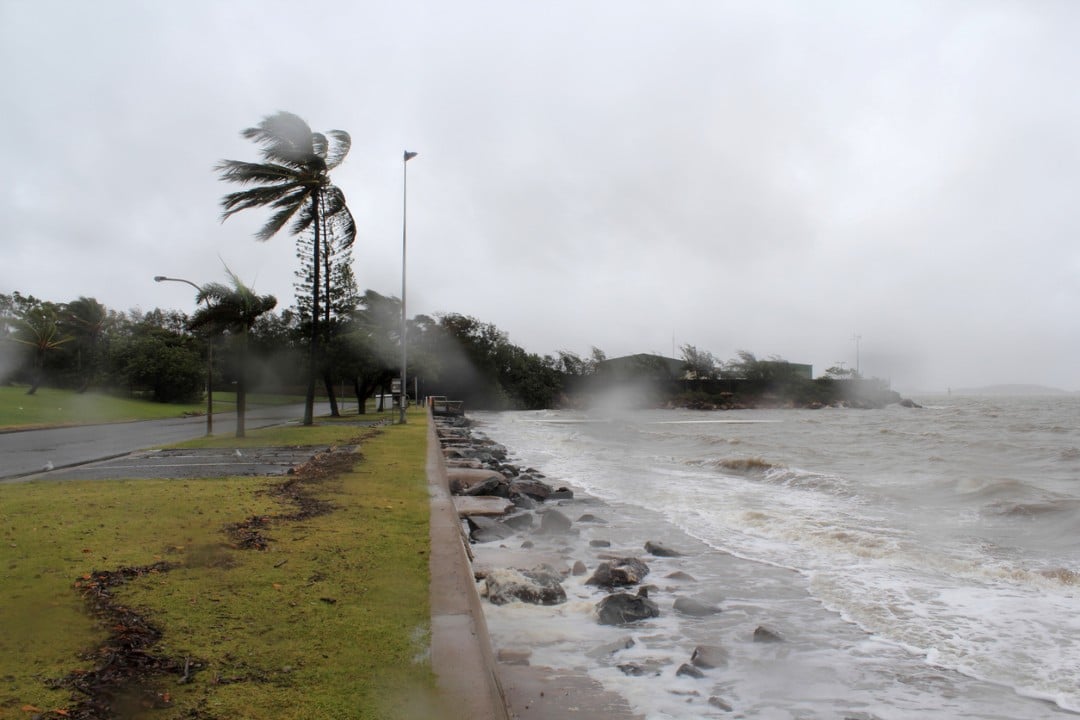
The Civil Defense of São Paulo confirmed that the coast of São Paulo and the entire Baixada Santista will face the impacts of a bomb cyclone coming from the south of Brazil from the afternoon of August 6th. The region will move to “red alert” at 2pm, and the condition will remain active until at least August 8th. This phenomenon is especially relevant for the local population, as it can cause hurricane-force winds and increase the risk of flooding in coastal areas.
The formation of the bomb cyclone in the southern region of the country will prepare the ground for the arrival of a cold front. Both weather systems will collide with a mass of warm air already present in the area, resulting in a worrying scenario of wind gusts that could vary between 60 km/h and 100 km/h.
According to the São Paulo Civil Defense bulletin, released on the afternoon of August 5th, the coast of São Paulo will go into orange alert from 2pm on August 6th, with winds estimated at 60 km/h. As the hours go by, the coverage area will move towards red alert, where wind gusts can reach 100 km/h, especially on the 7th and 8th of August.
Although heavy rains are not expected, the precipitation will be enough to cause flooding in several cities in Baixada Santista. Temperatures during the period should not exceed 25ºC, with the minimum being around 21ºC.
A bomb cyclone is categorized as an extratropical cyclone that intensifies explosively, characterized by a central pressure drop of at least 24 hPa over a 24-hour period, a phenomenon known as explosive cyclogenesis. This sudden reduction in pressure occurs when masses of cold and warm air collide violently, usually over oceans with warmer waters. The result is the rapid generation of extremely strong winds, comparable to those of a hurricane, accompanied by intense rain and sudden changes in the climate within a few hours.
The term “bomb cyclone” derives from the metaphor of a “bomb” that “explodes” in intensity from one day to the next. In Brazil, this expression gained greater recognition after significant events in the southern region of the country, such as the cyclone that occurred between June and July 2020.





