
Samsung prepares thinner camera for the Galaxy S27 Ultra, but leak points to worse photography

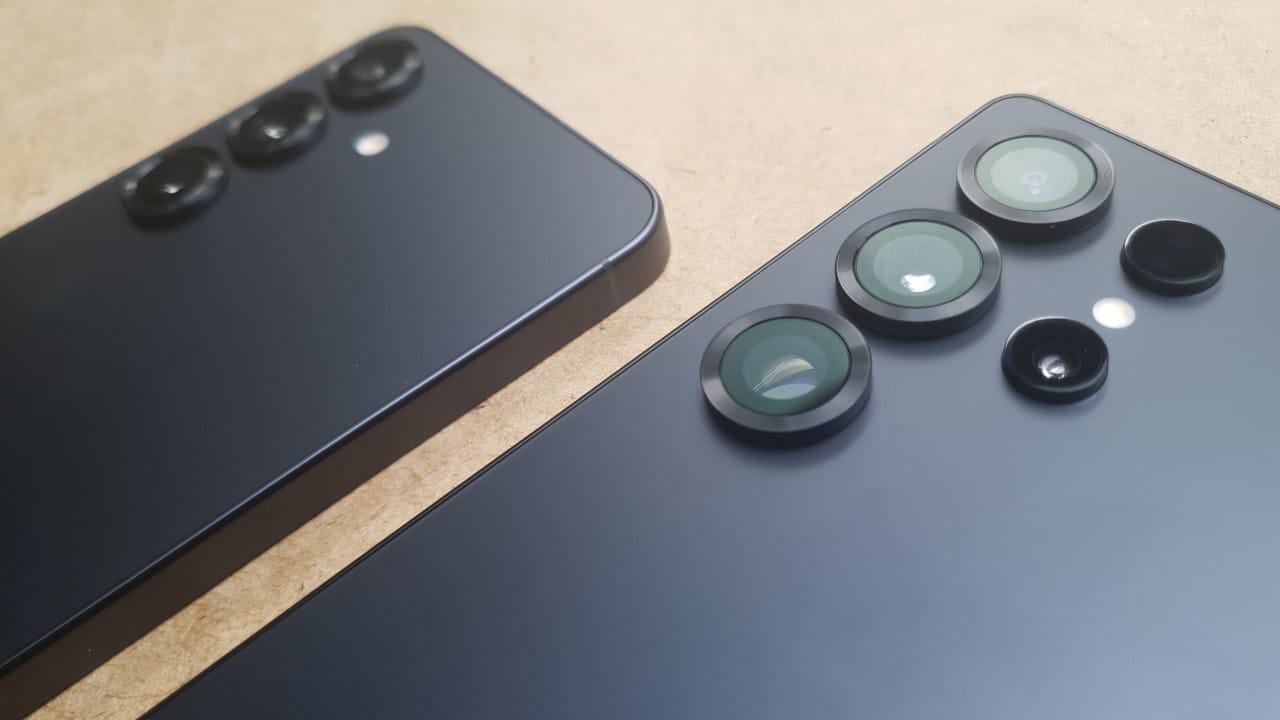
South Korean manufacturer Samsung is advancing the development of its next high-end smartphone, the Galaxy S27 Ultra, scheduled to hit the global market in 2027, with a drastic change in the design of the photographic module. Information that gained traction behind the scenes in the technology industry on August 5, 2026 indicates that the company found a way to tune the rear lens block. Despite the significant aesthetic advance, analysts in the mobile device sector raised an alert about a possible setback in the quality of captures, generating a debate about the balance between the thickness of the device and the delivery of high-resolution images.
South Korean engineering bets on inkjet printing to fine-tune the photographic set
The way found by the Asian brand’s engineers to slim down the phone’s profile involves replacing physical components with advanced chemical processes. Instead of using traditional plastic separating films between the glass elements, the assembly line will now apply a special matte paint using a very high precision inkjet printing system. This change in internal architecture solves one of the biggest bottlenecks in modern telephony, where increasingly larger sensors require camera blocks that protrude several millimeters out of the cell phone’s casing.
The physical restructuring of the optical assembly frees up precious volume inside the metal and glass chassis. With a photographic compartment taking up less depth, the design team gains freedom to relocate the motherboard or, mainly, increase the density of the power cell. Larger batteries are a constant demand from consumers who use fifth generation networks and processors focused on artificial intelligence, features that drain charge quickly during intense daily use.
Historically, the mobile device industry has relied on inserting multiple synthetic films between the glass layers of lenses to control the behavior of light. The main objective of this physical barrier has always been to prevent light rays from bouncing off the module’s internal walls, an optical defect that causes severe visual anomalies. Without this protection, photographs often present the so-called flare, characterized by flashes bursting towards the light source, in addition to ghosting, which creates ghostly reflections of lamps and the sun in the middle of the image.
New absorbent substance promises to eliminate internal reflections and bring glass elements closer together
The behavior of light inside a microscopic photographic cylinder is unpredictable, and any ray that strikes the plastic support structure can be bounced directly onto the image sensor. When this light pollution reaches the capture pixels, the phone’s software has difficulty processing the true colors of the scene. The practical result of this internal leak is the delivery of washed-out photographs, with a severe loss of contrast in shadow areas and a noticeable drop in the overall sharpness of the contours.
The formulation of the new matte paint patented by the manufacturer has a light absorption rate considerably higher than that of the plastic films used until then. By coating the inner walls of the cylinder with this dark and opaque material, engineering ensures that stray rays are nullified before reaching the bottom of the compartment. This way, only the light that travels in a straight line through the center of the lens can reach the sensor, delivering much purer data for the image processor to work with.
Strict control of light dispersion creates a positive domino effect in the construction of photographic hardware. Without the need to maintain a safe distance between lenses to accommodate anti-reflective films, glass pieces can be stacked with unprecedented proximity. This densification of the optical components is truly responsible for allowing the device’s external module to be closer to the back cover, delivering a cleaner and more minimalist look for demanding users.
Implementation of dark coating focuses on specific lenses after testing on previous generation
The company’s research and development laboratory is not starting from scratch with this interior painting technique. The first commercial batches equipped with inkjet printing reached the consumer market via the Galaxy S26 Ultra, serving as a large-scale testing ground for the material’s durability. Financial reports from the components division showed that the change not only maintained color fidelity in photos, but also accelerated the speed of production conveyors in Asian factories.
Positive feedback from the supply chain convinced executives to expand the chemical’s application for the brand’s major launch scheduled for the following year. The final design of the Galaxy S27 Ultra foresees the use of absorbent paint in critical areas of the rear system, focusing on sensors that require greater focal precision. The transition, however, will occur surgically, reaching only the focal distances that benefit most from the shortening of the optical tube.
- L3 Tele lens, responsible for intermediate optical zoom for portraits and medium-distance close-ups.
- L3 Wide lens, which captures the user’s main field of view for everyday photography.
- L6 Wide lens, focused on wide framing of landscapes and large architectural projects.
The other sensors that make up the device’s photographic arsenal will continue to depend on the classic assembly with plastic films to filter unwanted light. The decision to maintain a hybrid architecture highlights the manufacturer’s caution in not radically changing the entire production line at once. This mix of technologies ensures that the company is able to maintain the manufacturing volume necessary to meet global launch demand without facing supply bottlenecks.
Leak about resolution drop calls into question the strategy of prioritizing the device’s aesthetics
Enthusiasm for miniaturization engineering has suffered a severe setback after unofficial reports circulated on Asian technology forums. Informants with a proven track record of successes regarding the brand’s supply chain indicate that the Galaxy S27 Ultra will record lower photographic performance than the model sold the previous year. The news caught analysts by surprise, creating a direct conflict between the promise of a revolutionary inpainting technology and the delivery of an image file with less detail.
The technology enthusiast community questions the logic behind a hardware upgrade that results in a loss of final quality. Consumers who pay high prices for premium category equipment have the non-negotiable expectation that each new generation will outperform the previous one in all benchmark and media capture tests. Reducing the capacity of the main sensor just to deliver a phone with a smoother back represents a considerable commercial risk in a segment where the camera dictates the rules of the game and justifies the high price.
The fight for leadership in the high-cost telephone market does not forgive technical mistakes, especially when direct competitors continue to increase the physical size of their sensors to capture more light. If independent tests confirm that the new South Korean model takes worse photos at night or loses definition at maximum zoom, the brand may face a crisis of confidence. The Ultra line has built its global reputation precisely for offering the most versatile and exaggerated photography package on the market, and any step backwards threatens this identity built over years.
The exact reasons for this supposed performance cut remain restricted to the company’s engineering offices, without any public confirmation to date. Hardware experts speculate that the extreme proximity of the lenses may have forced the use of a physically smaller image sensor, or that the company needed to cut costs on the photographic module to compensate for the cost of high-end processors and memories. Until the device takes the stage for its official presentation in 2027, the market will continue to monitor whether the obsession with an ultra-thin design will end up costing the Asian giant the mobile photography crown.





