
Apple executive confirms arrival of new generation of iPad for the end of 2026

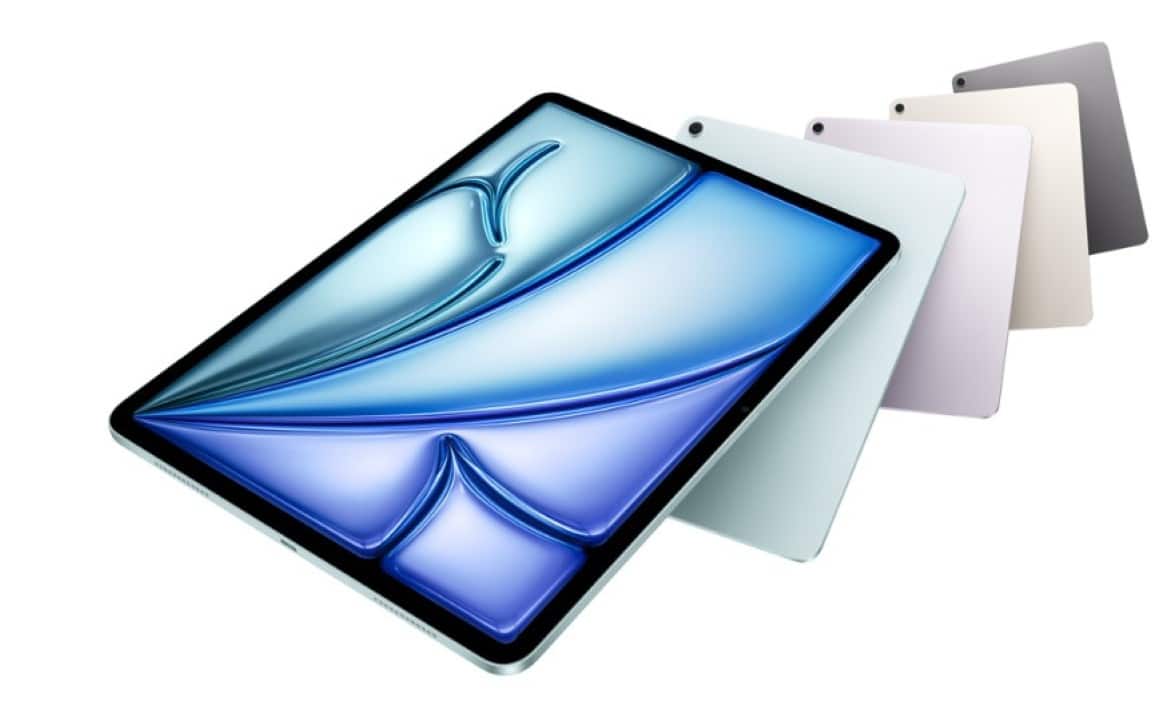
During the technology giant’s most recent accountability conference, the financial board confirmed that the brand’s next generation of tablets will reach consumers in the second half of 2026. This statement, made directly to shareholders and Wall Street experts, consolidates the manufacturer’s schedule of news for the end of the fiscal year. The move seeks to reassure the market about the constant flow of innovations in the company’s portfolio, ensuring that the hardware update cycle follows the original planning.
Calendar strategy points to traditional autumn events
The Cupertino-based manufacturer remains faithful to its historical model of distributing major announcements throughout the final months of the year. The long-awaited mobile device aligns perfectly with this commercial tactic, expected to arrive in physical and virtual stores in the period from July to December. Although the spokesperson did not specify an exact day on the calendar, corporate signaling is enough to move the supply chain and prepare global retail.
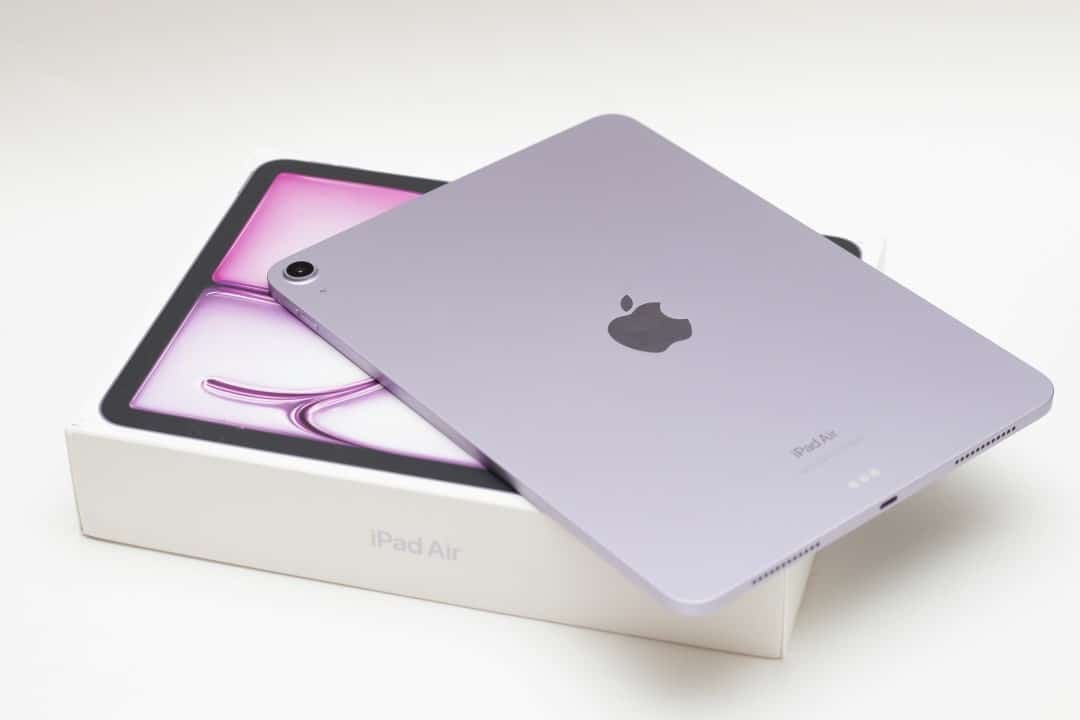
In the company’s laboratories, several lines of equipment are developed simultaneously to guarantee an integrated ecosystem. Reserving the second half of the year for these premieres allows the brand to direct all the spotlight to its famous global presentations, usually concentrated in September. Historically, this is the time when the manufacturer takes the opportunity to renew not only its tablets, but also to present new generations of smartphones and smart watches, creating a complete consumer package.
Hardware innovations and the definitive arrival of artificial intelligence
Specialists who monitor the production chain are already planning the technological leaps that will accompany the new equipment. The central expectation revolves around the adoption of a more robust Apple Silicon family processor, possibly advancing the 3 nanometer architecture, as well as improved photographic modules and even thinner edges. All this physical firepower will work in conjunction with the next major update to the iPadOS operating system, designed to make the most of the new hardware and optimize multitasking.
The ecosystem of peripherals, such as magnetic keyboards and digital pens, should maintain full compatibility, even with rumors pointing to a lighter and thinner chassis. The big difference, however, will be the deep integration with the Apple Intelligence package, inserting generative tools directly into the user’s workflow. This technological addition responds to a direct demand from the modern consumer, who increasingly seeks automation and advanced virtual assistance in their daily devices to justify the investment.
- Implementation of cutting-edge chips focused on extremely high performance and battery savings.
- More fluid variable refresh rate screens, ideal for media consumption and graphic design.
- Redesigned optical sensors to ensure better light capture in video calls and photographs.
- Native integration with machine learning tools and unique software features.
- Reduced weight and thickness without compromising the structural integrity of the aluminum chassis.
How the novelty affects competition in the portable device sector
The global touch screen sector is experiencing a phase of stabilization and renewal, driven by hybrid professionals and university students. Currently, the creator of the iPad dominates around 40% of this global market, maintaining a clear lead in the high-cost segment. The introduction of an updated version has the clear objective of shielding this market share against attacks from Asian brands and consolidating the loyalty of the premium audience that demands high performance.
Strong rivals, including South Korean Samsung with its Galaxy Tab line and Microsoft with the Surface family, continue to inject heavy resources into their own ecosystems. The American company’s attitude in renewing its catalog proves that digital clipboards are far from obsolescence and represent a vital financial pillar. The challenge now is to deliver features that convince owners of models manufactured between 2020 and 2022 to open their wallets for a permanent replacement.
On the financial front, the price list charged for the new device will need to balance innovation with global economic reality. The brand’s recent behavior suggests that the price tags will undergo few changes, maintaining the pattern of replacing the previous generation at the same launch price. Financial consultants are betting that the 2026 edition will follow exactly this guideline, avoiding sudden adjustments that could alienate potential buyers in emerging markets and focusing on sales volume.
Revenue projections and the impact on the technology company’s shares
The finance executive’s transparency served as a catalyst of optimism for holders of the corporation’s shares. Wall Street tends to react enthusiastically when there is clarity about medium-term product planning, reducing the speculative uncertainty that affects the capital markets. The period leading up to the end-of-year holidays is historically the company’s most profitable quarter, and having fresh hardware on display is essential to hitting revenue targets and pleasing institutional investors.
Until invitations to the official event are released to the press, the ecosystem of leaks and technology forums will continue to buzz with guesses about design and technical capabilities. Management cautiously measures information to avoid the so-called Osborne effect, where the early announcement of a new product paralyzes sales of current stocks. It is a corporate chess game where industrial secrecy is as important as million-dollar marketing campaigns.
Investment banks have already started recalculating their profit estimates for the last quarter of 2026 based on this subtle confirmation. The launch has the potential to significantly boost the consumer electronics division, offsetting possible slowdowns in other more mature product categories. Additionally, the global distribution strategy will focus heavily on developing regions, where pent-up demand for mobile productivity equipment continues to show accelerated growth curves year after year.





