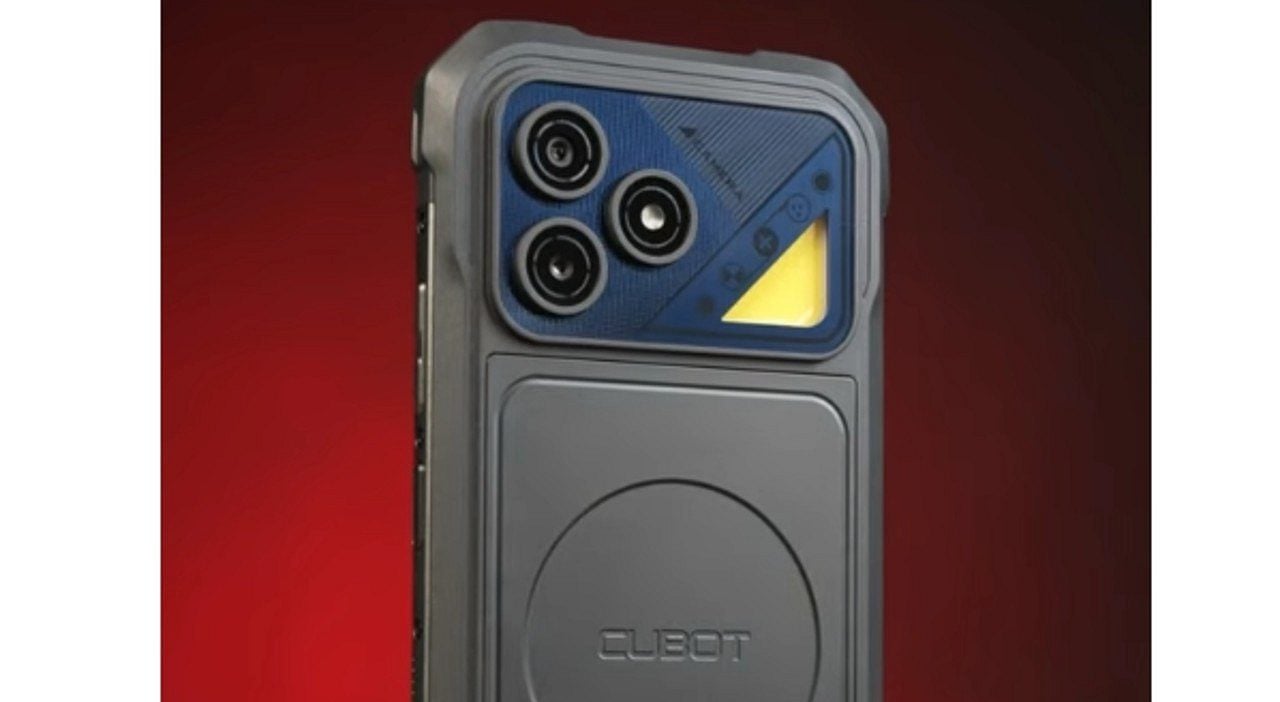
The Cubot KingKong Dura, the brand’s new robust smartphone, arrives on the market with a striking difference: the possibility of replacing the battery by the user. This feature, which is uncommon in modern devices, aims to extend the device’s useful life.
This functionality allows the owner to easily change the component when the load capacity decreases, avoiding technical assistance expenses and the need to purchase a new device quickly. Cubot’s approach suggests a return to the practicality of older models, prioritizing product longevity and consumer autonomy.
Robust structure and technical characteristics of the smartphone
In addition to battery innovation, KingKong Dura maintains the line’s tradition by featuring improved resistance against drops, immersion in water and dust penetration, ideal for challenging environments. Its construction is designed to withstand extreme conditions, making it a reliable partner for various activities.
The device is designed to offer solid performance, featuring a set of hardware that guarantees fluid operations and a screen suitable for viewing in different conditions. The detailed specifications of the processor, memory and cameras guarantee a satisfactory experience for daily and professional demands.
Target audience and the impact of battery choice on the market
The smartphone is aimed at professionals working in demanding workplaces, outdoor enthusiasts and anyone who prioritizes a durable and repairable device. It seeks to meet a demand for devices that do not become obsolete so quickly.
With this launch, Cubot seeks to position itself as an innovative brand in the rugged phone segment, offering a new perspective on the longevity of devices and ease of maintenance for the consumer. The move challenges current industry trends, which often make it difficult for users to replace components.