


Dropping your mobile device into the pool, sink or even the toilet is a common accident that requires agile reactions to prevent irreversible failures. However, most of the homemade tricks spread across the web are not proven to be effective. Recently, Apple issued an official statement warning consumers to never use rice grains in an attempt to remove moisture from the equipment.
This positioning by the Cupertino giant is in line with the guidelines of other major brands in the technology sector, including Samsung and Google, which also seek to guide the public about liquid accidents. Understanding the particularities of each technical recommendation is a fundamental step to restoring hardware functioning without worsening the condition.
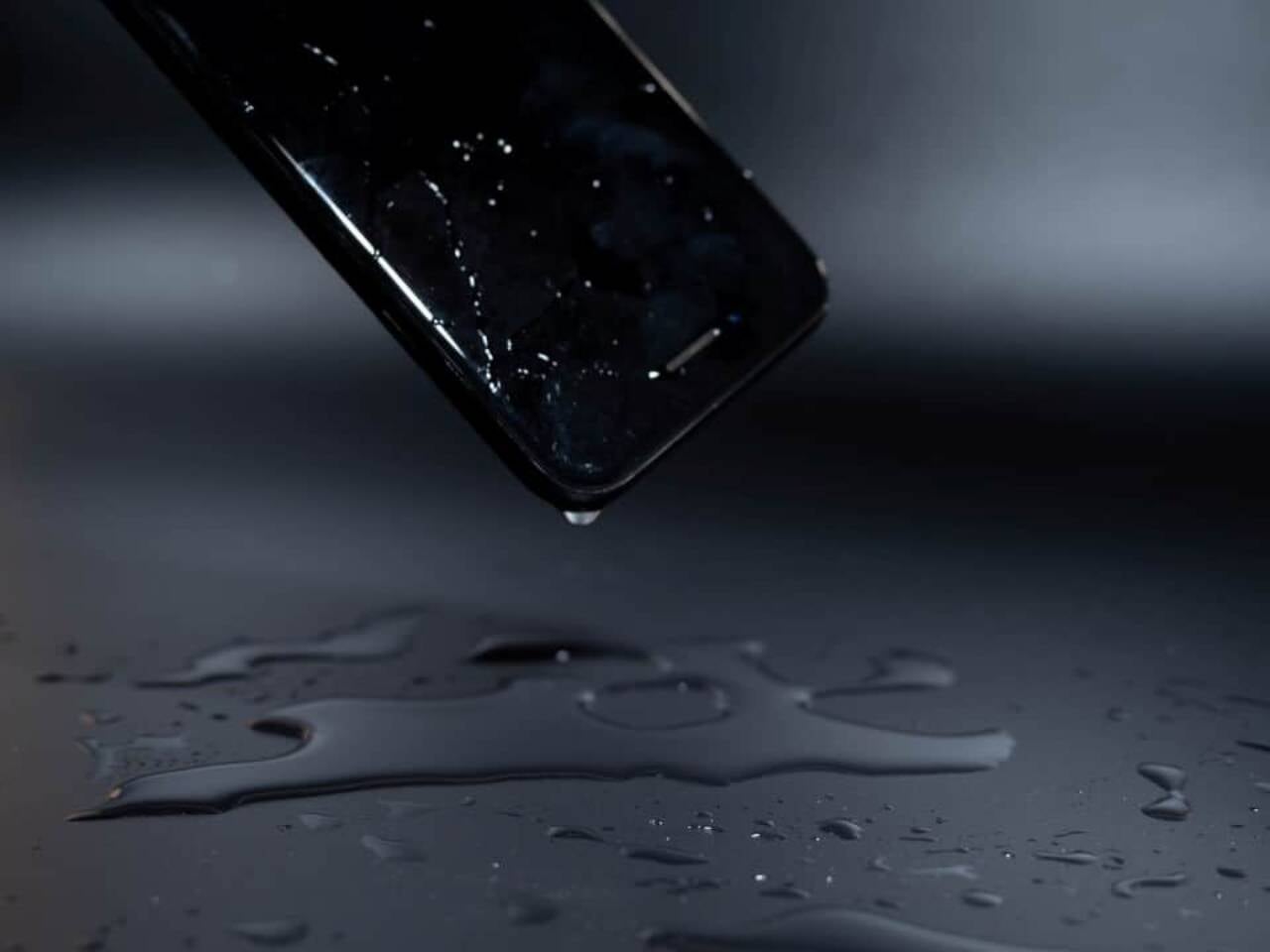
The following detailed guidelines bring together industry best practices for protecting your electronic equipment after accidental contact with water.
Initial steps to rescue your smartphone after falling into the water
The first step is to wipe the entire external surface of the electronics with a highly absorbent fabric, such as a terry towel or a clean cotton shirt. To ensure process safety, perform the following actions:
- Shut down the operating system immediately if the screen is still active.
- Eject the SIM card drawer and remove the component.
- If the design of the model allows, remove the back cover and battery to dry in isolation.
In the case of iPhone owners, whose structure is sealed and prevents the removal of internal parts, the manufacturer advises a more delicate approach. The recommendation is to hold the gadget with the connectors pointed towards the floor and tap the base lightly using the palm of your hand, facilitating the drainage of the trapped drops.
When it comes to cleaning USB ports and headphone jacks, the giants differ. Samsung, a leader in the Android segment, recommends the careful use of flexible cotton swabs to absorb traces of moisture. On the other hand, Apple expressly prohibits the insertion of any object, including cotton swabs, into the holes of its devices.
A crucial detail arises when diving involves substances other than freshwater, such as sugary drinks, the sea or chlorine-treated pools. In these situations, the South Korean manufacturer recommends quickly submerging the phone in a container of drinking water before drying. This strategic rinse removes minerals and chemical compounds that accelerate motherboard oxidation.
For the evaporation stage, both the creator of iOS and the Galaxy line recommend positioning the hardware in an environment with excellent air circulation, and can even receive the indirect breeze from a fan. Google, on the other hand, prefers to instruct its customers to leave the electronic device resting naturally at room temperature.
Fatal errors that destroy the device during drying
Certain desperate attitudes can condemn the functioning of the machine once and for all. Never use compressed air jets or hair dryers, as the force of the wind and extreme heat push the droplets deeper into the microchips. Placing the equipment in the freezer is also a serious mistake; cooling only pauses the short circuit, which will happen again as soon as the ice melts. Likewise, stoves, radiators and clothes dryers are strictly prohibited.
Another rule of thumb is to resist the temptation to press the power button or plug the power cord into an outlet while indoor moisture is suspected. The only exception tolerated by brands occurs in extremely urgent scenarios: if your model supports induction (wireless) charging, this technology can be used with caution to reactivate the system.
Returning to the famous popular myth, the iPhone manufacturer is categorical in banning the use of grains to absorb liquids. In a support document updated at the beginning of the year, the North American company highlighted a strong warning: “Do not place your smartphone in a container of rice. This practice allows small fragments and food dust to enter the ports and cause irreversible damage to the internal components.”
The scientifically proven method for extracting liquids
The most effective and safe solution for removing moisture trapped in the chassis is to use silica gel. These synthetic sachets, widely known for accompanying new shoes, bags and medicine bottles, have a high desiccant power designed exactly for this purpose. The ideal is to purchase packages of this material and lock the phone together with the spheres inside a completely sealed plastic container.
The waiting period required before turning the system back on
Estimating the exact moment at which the circuit board is free from danger is a complex task, requiring the user’s patience for at least 48 to 72 hours. Samsung goes further and recommends that, even after long natural drying, the consumer seeks authorized technical assistance to carry out a professional assessment of hidden damage.
Understand the liquid protection certifications on the market
The overwhelming majority of current premium smartphones leave the factory with water-resistant seals, which means they have seals capable of stopping temporary infiltrations. However, it is vital to understand that no common consumer electronics are truly permanently waterproof.
Apple details that splash protection began on the iPhone 7, while IP68 (Ingress Protection) certification was adopted from the XS generation onwards. This seal guarantees survival in submersions of up to half an hour, reaching depths of six meters in the most expensive versions. Apple’s software also displays an on-screen alert blocking charging if it detects water in the Lightning or USB-C connector. On Samsung’s side, the Galaxy S family delivers the same IP68 certification, supporting dives of up to five meters.
The Pixel line, developed by Google, follows the market standard with advanced certifications against water accidents. However, the search giant makes a point of highlighting in its manuals that this protective barrier is not permanent. The seal suffers natural degradation over the months due to daily use, small drops, exposure to the sun or any unauthorized maintenance that breaks the original glue.




