

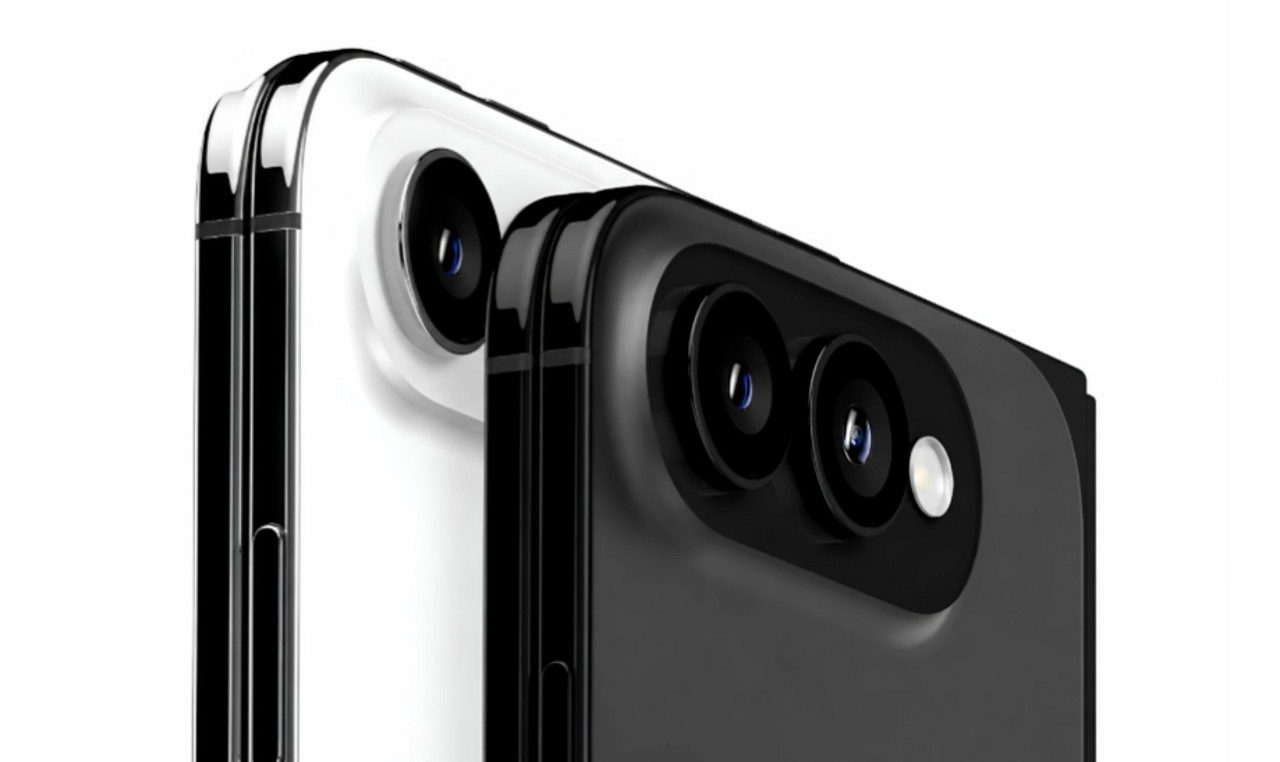
Unreleased information about Apple’s future launches reveals ambitious plans for the coming years. Among the details that have come to light, we highlight the resolution of a crucial challenge in the production of the long-awaited foldable iPhone Ultra and the first clues about the design of the model that will celebrate the 20th anniversary of the iPhone, scheduled for 2027. The expectation is that these devices will redefine standards in the smartphone market.
Production of the foldable iPhone Ultra overcomes obstacles for launch
Apple plans to introduce the new iPhone 18 Pro and iPhone 18 Pro Max in September, and alongside them, the company’s first foldable model, the iPhone Ultra. According to information from informant Fixed Focus Digital, a scalability problem in production, which could have caused significant delays in the schedule, has finally been overcome. In July, manufacturing plans for the iPhone Ultra were completed, paving the way for the device to hit the market in September, in line with the brand’s other premium launches.
Overcoming large-scale production challenges is an important milestone for Apple, especially in a complex segment like foldable smartphones. This indicates that the company is advancing the technology necessary to make its innovative devices accessible to a wider audience, solidifying its position in the high-end market.
20th anniversary iPhone model could be as thin as Air with return to glass
In addition to the imminent launches, another report points to the 2027 iPhone, which should mark the device’s 20th anniversary. This commemorative model promises to be as thin as the current iPhone Air, suggesting an intense focus on elegance and lightness. Interestingly, the design will also make a return to glass construction, perhaps evoking the aesthetics of classic models like the iPhone 4 series, which stood out for its glass back. Current iPhones use a combination of glass and aluminum in their construction.
This design choice suggests a search for a balance between nostalgia and innovation, offering a different tactile and visual experience. The dramatic reduction in thickness, a remarkable engineering feat, raises important questions about battery life and internal component integration.
Cooling Innovations and the 2027 iPhone Battery Dilemma
Leaks about the 2027 iPhone aren’t just limited to thickness and material. The report also indicates that the device will have a larger vapor cooling chamber than the one present in current models. This technology is crucial for managing the heat generated by powerful processors, ensuring maximum performance and component longevity.
However, the promise of an extremely thin commemorative iPhone, comparable to the iPhone Air, naturally brings up the battery debate. Historically, thinner devices tend to have less internal space for components, including higher capacity batteries. The big question that Apple engineers will need to resolve is how to reconcile extreme thinness with satisfactory battery life for users. Cooling innovation may be part of the solution to optimizing energy consumption, but the challenge remains.
What the leaks mean for Apple’s future
The details that have emerged about the foldable iPhone Ultra and the 2027 model offer a clear look at Apple’s long-term strategy. The company is investing in emerging segments, such as foldables, while revisiting iconic design elements and seeking to improve the engineering in its traditional models. The resolution of production bottlenecks for the Ultra is a sign of maturity in the approach to foldable technology, while the 20th anniversary model points to a celebration of the brand’s history with a look to the future of performance and aesthetics.
Additional information has not yet been released that details how Apple intends to overcome battery limitations in the thinnest device of 2027, or what other innovations could compensate for this restriction. Consumers and the market eagerly await more announcements that can fill these gaps and reveal the company’s full vision for the next generation of iPhones.





