Saying goodbye to compacts: Japanese manufacturer removes Xperia 5 line from stores

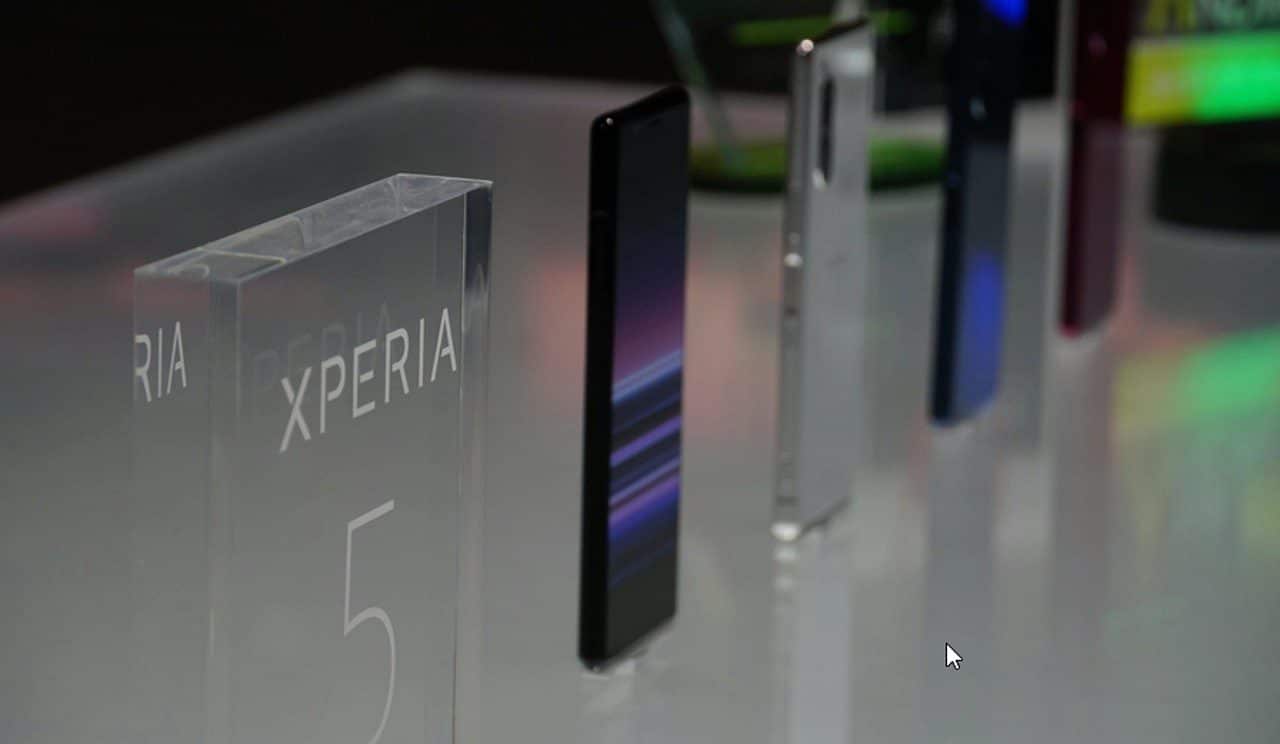
The Japanese technology giant has confirmed the definitive discontinuation of its premium compact smartphone. The device in the black variant without links to operators, identified by the code XQ-CQ44, completely disappeared from digital shelves. In addition to this specific device, the company chose to ban the entire family of smaller devices from its official e-commerce.
This drastic measure directly affects users who were still looking for high-performance equipment in reduced dimensions. Presented to the world during 2022, the cell phone emerged as a more ergonomic option compared to the brand’s giant top-of-the-line phones. The current movement puts an end to a commercial trajectory that lasted around 36 months. Currently, it is impossible to find any version of the equipment, regardless of tone or type of connection, on the manufacturer’s direct channels.
Reasons that led to the end of production of the compact cell phone
Historically, this equipment served a very particular segment of buyers loyal to the brand. These were customers who would not give up a smaller display, but demanded the firepower guaranteed by the Snapdragon 8 Gen 1 chip. The hardware worked together with a 5,000 mAh energy tank, capable of delivering up to 48 hours of continuous use away from the socket. The rear photographic set with three lenses allowed recordings in very high 4K resolution and optical approximation without loss of quality, characteristics that seduced those who avoided today’s increasingly larger and heavier devices.
Experts in the technology sector were already awaiting this commercial outcome. Outside of Japanese and Asian territories, the brand’s phones rarely achieved significant sales figures. Corporate strategy today targets exclusively high-cost segments, a battlefield where giants like Apple and Samsung almost completely dominate preferences. Smaller devices have been swallowed up by the global preference for large displays for media consumption. In terms of value, the device was sold for between R$4,000 and R$5,500 during promotional periods, although its debut value exceeded the R$6,000 barrier.
Japanese manufacturer’s change of focus on audiovisual equipment
The shrinking of the mobile phone division reflects a deep restructuring to prioritize the development of image sensors and visual technologies. The corporation now directs its largest investments to the professional cameras sector of the Alpha line, as well as state-of-the-art televisions and sound systems. The department responsible for smartphones has accumulated negative financial statements in recent quarters, forcing a change of course. From now on, mobile launches will happen sporadically, serving more as a technological showcase than as products aimed at mass sales.
Anyone who still insists on purchasing this specific model will need to resort to selling second-hand devices. On websites specializing in used products, it is possible to find copies costing in the range of R$2,500 to R$3,500, depending on the condition. The big risk with this alternative is the total lack of factory warranty coverage. The rare units that remain sealed in the original box are being traded for prices much higher than what was officially charged in stores.
Details about the last variant removed from the official catalog
The edition that marked the final farewell to the portfolio was sold completely freely, without ties to telephone plans. This model had the advantage of operating on fifth generation frequencies around the world, overcoming the limitations of editions focused on local markets. The dark shade, commercially called Phantom Black, led the public’s preference and lasted longer on the shelves. The lighter options, like the Frosted White finish, had already been eliminated from the sales system several months ago.
Below, the main hardware components that made up the now retired device are highlighted:
- Front panel with OLED technology measuring 6.0 inches, fluid refresh rate of 120 Hz and definition of 2,520 x 1,080 pixels
- Snapdragon 8 Gen 1 mobile platform operating alongside 8GB of volatile memory
- 256GB file storage space in high-speed UFS 3.1 standard
- Main photo module containing three 12 megapixel sensors (standard lens, magnified view and three times zoom)
- Dedicated lens for self-portraits with 8 megapixel resolution
- 5,000 mAh power cell supports fast charging up to 30 watts
- Native Android 12 software, with guaranteed support for migration up to version 14 of the system
- Protection certified by the IP65 seal, guaranteeing survival against water jets and the entry of solid waste
- Physical structure weighing just 171 grams
International scenario and the advancement of competing brands
The product withdrawal process began much earlier in strategic markets, such as the European continent and the United States, where the disappearance occurred last year. The brand’s country of origin was the only territory to sustain sales to date. The definitive closure of virtual operations for this hardware happened only in the last few days. Although e-commerce has closed its doors, some luxury physical boutiques in global metropolises may still house forgotten units in stock, but there will be no replacements coming from the factories.
The retraction movement also affects the company’s most expensive category, which has been suffering gradual cuts in manufacturing volume. On the other hand, the pocket tool aimed at audiovisual content creators, the Xperia Pro-I, survives in the portfolio and continues to receive software improvements. The brand’s most affordable segment also breathes through annual updates focused exclusively on countries with emerging economies.
The vacuum left by the Japanese withdrawal is quickly being filled by booming Chinese corporations. Emerging brands deliver cutting-edge specs in smaller bodies at a fraction of the price, often costing a third less. The Cupertino giant also keeps its reduced options active to suit those who hate carrying huge screens in their pockets. On the other hand, the South Korean market leader consolidated its strategy in massive displays, leaving small formats in the background to focus on its more robust lines.
What changes for those who already have a smartphone in their pocket
Users who have already invested in the device will not be left destitute in the short term, as the manufacturer guarantees the sending of digital protection packages until the year 2027. The accredited technical support network will continue to operate normally to diagnose and repair any physical failures. Essential components for maintaining the useful life of the equipment, such as replacement displays, camera modules and new batteries, will remain available for assistance for a period that has not yet been defined by the company.
The negotiation of these used devices still generates interesting values in niches where ergonomics is a decisive purchasing factor. Independent photographers and videographers who use cell phone integration with the brand’s professional cameras keep the ecosystem alive. However, the journey of hardware updates for these consumers has come to an end, as the Asian corporation has frozen the development of future direct successors for this family of products.