Amazon reaches $3 trillion market value driven by artificial intelligence
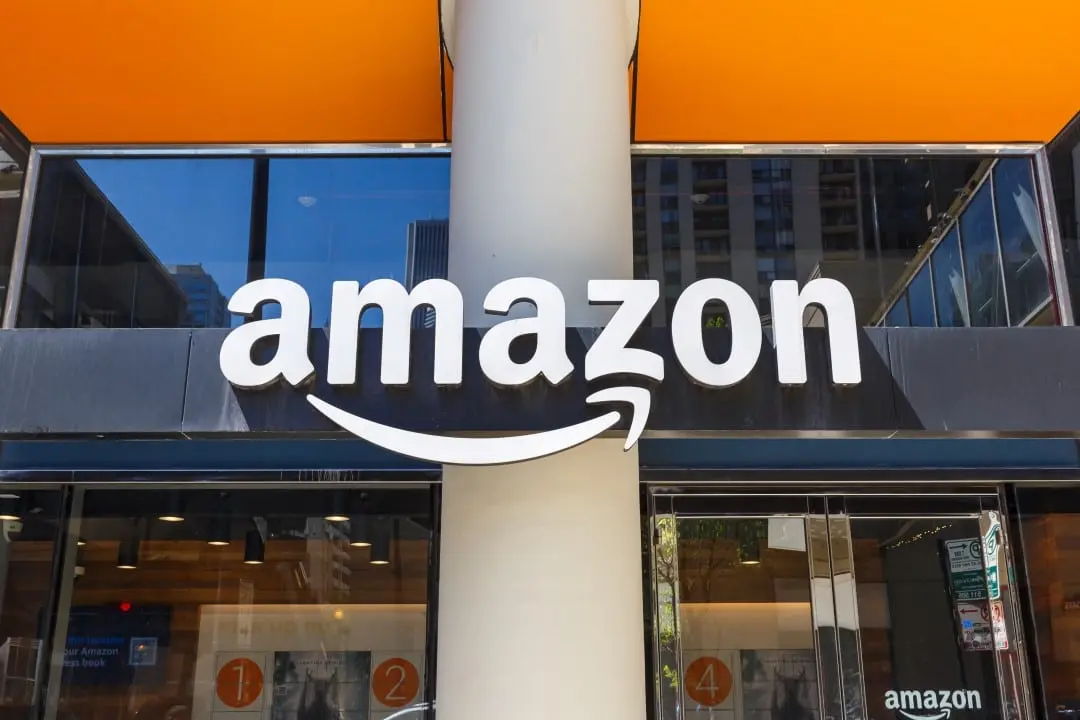
For the first time since its founding by Jeff Bezos, the e-commerce giant surpassed the historic mark of US$3 trillion in market value during the trading session on August 3, 2026. The financial feat places the corporation in an extremely restricted club of global powers that have reached this trillion-dollar level. The impressive climb on Wall Street panels reflects investors’ unshakable confidence in the advancement of the brand’s autonomous systems, coupled with the consecutive delivery of highly profitable quarterly earnings.
The direct impact of artificial intelligence on the historical valuation of the corporation
The entry of the North American retailer into this select financial group makes it clear that cutting-edge algorithms have taken center stage in the modern digital economy. The company has taken an aggressive stance by integrating generative neural networks into its operations, applying technology to improve everything from complex delivery logistics to personalized shopping suggestions for customers. Following in the wake of pioneers such as Apple and Microsoft — who had already broken this market barrier —, the company proves that intelligent automation has become the definitive path to multiplying profits, combining innovations in both online retail and remote server infrastructure.
On the same topic: Why Amazon became a safer option than Nvidia in the AI race
This movement consolidates a profound change in the mentality of Silicon Valley, where the isolated commercialization of software or hardware has lost ground to the creation of fully integrated ecosystems. The allocation of billions of dollars to research centers and the strategic acquisition of startups focused on data processing highlight the board’s priority. Financial industry experts project that such initiatives will not only shave operational costs from the brand’s global infrastructure, but also open doors to unprecedented revenue streams through more immersive interactions with the public.
Diversification of services and quarterly results shield actions against crises
The journey to a trillion-dollar valuation was paved by a business model that long ago stopped relying solely on the delivery of physical packages purchased over the internet. The Amazon Web Services (AWS) division, in charge of cloud data hosting, has established itself as the corporation’s main money-making machine, supporting the digital backbone of millions of corporate customers. This technological arm has become the perfect environment for the development of automated solutions, allowing other companies to rent robust processing capacity to leverage their own modernization projects.
In parallel to the success of the servers, the platform’s digital advertising department emerged as an overwhelming force, starting to compete directly with large traditional media conglomerates. The difference in selling sponsored spaces based on users’ real consumption history has attracted billion-dollar budgets from brands around the world. As an immediate reflection of the positive financial report for the second quarter, the company’s shares registered a significant increase of 2.4% in trading on August 3, 2026. The strategic union between retail, website hosting and advertising formed a powerful shield against macroeconomic instabilities.
- Hegemony in infrastructure: the AWS sector maintains global leadership in corporate hosting, ensuring a constant and predictable capital inflow to the headquarters.
- Leap in the advertising market: selling targeted ads within the virtual storefront quickly boosts profit margins.
- Bet on neural networks: the heavy allocation of resources to generative systems promises to reconfigure the way the public interacts with the brand’s services.
- Wall Street Approval: The capital markets demonstrate massive support for the board’s ability to convert software trends into tangible profitability.
- Management focused on the future: under the command of CEO Andy Jassy, who assumed executive leadership in 2021, the corporation prefers structured growth over temporary gains.
Massive investments in cognitive technologies dictate the future of operations
A colossal chunk of the company’s annual budget is earmarked exclusively for improving cognitive processing architectures. The ongoing projects range from updating the virtual assistant Alexa, which will gain much more natural voices and interactions, to the construction of large-scale language models aimed at the corporate sector. Executive director Andy Jassy has already made it clear in public statements that high-level automation will be the company’s backbone for the coming decades, with the bold goal of embedding intelligent functions in absolutely all services made available to subscribers.
See Also

Anonymous fan funds Thimbleweed Park 2 and frees creator from publishers

Consortium led by Jeff Bezos and Eduardo Saverin buys 30% of Liverpool

Cristiano Ronaldo and Georgina’s agreement shields fortunes in official union
More on this story: Shopify revenue reaches historic mark in the second quarter of 2026 and surprises Wall Street
This aggressive tactic goes beyond the mere search for reducing expenses in day-to-day operations, aiming to invent market niches that do not even exist today. The corporation’s destiny is closely tied to the success in applying these tools to intelligently route delivery trucks, provide customer service without human intervention and offer ultra-fast servers. Market analysts warn that this uninterrupted injection of capital is the only guarantee that the brand will not lose its relevance in the face of the intense digital transformations of this century.
The fierce fight for leadership between Silicon Valley giants
The consolidation of this astronomical market value adds even more fuel to the cold war waged between technology titans for supremacy in the sector. Today’s corporate landscape requires companies to treat data processing capacity as the most precious asset on their balance sheets. Major competitors, including Google parent Alphabet, Meta and chipmaker Nvidia, are also pouring billions into similar infrastructure, creating a relentless cycle of rapid obsolescence and continuous product renewal.
This fierce rivalry has triggered a true hunt for highly specialized engineers, in addition to fostering a wave of mergers and strategic partnerships between consolidated brands and independent laboratories. The retailer’s financial triumph serves as an accurate thermometer for the global economy, indicating that administrative flexibility and rapid adoption of disruptive innovations are the only real shields against bankruptcy. Closely following the financial maneuvers of these super companies has become a mandatory requirement for any investor who wants to understand where money is flowing in the modern world.
Learn more: Creator of ChatGPT submits documents to the SEC to go public on the stock exchange