HyperOS update unlocks Leica camera features for all Xiaomi phones


Asian manufacturer Xiaomi has begun notifying its consumers about a significant change in the image processing of its devices, marking a new phase for the company’s mobile devices division. The acclaimed photography engine developed in partnership with Germany’s Leica, previously restricted to the brand’s most expensive models, will be integrated into the entire ecosystem that runs the HyperOS system. This unprecedented decision means that entry-level and mid-range phones, including the popular lines from Redmi and Poco, will receive professional capture tools that replace the old standard MIUI interface, raising the bar for amateur photography for millions of users around the world.
Democratization of visual quality changes the brand’s positioning in the market
The company’s move seeks to standardize graphical excellence regardless of the device’s price range, highlighting a new commercial tactic in the highly competitive telecommunications sector. By releasing advanced algorithms for cheaper cell phones, the company adds considerable weight to its lower-cost products and consolidates the visual identity of its latest software, creating a more cohesive ecosystem. All the engineering behind this novelty focuses on color treatment, accentuated contrast and depth blur, essential elements to replicate the classic signature that has established the European lens manufacturer over decades of history in world photography.
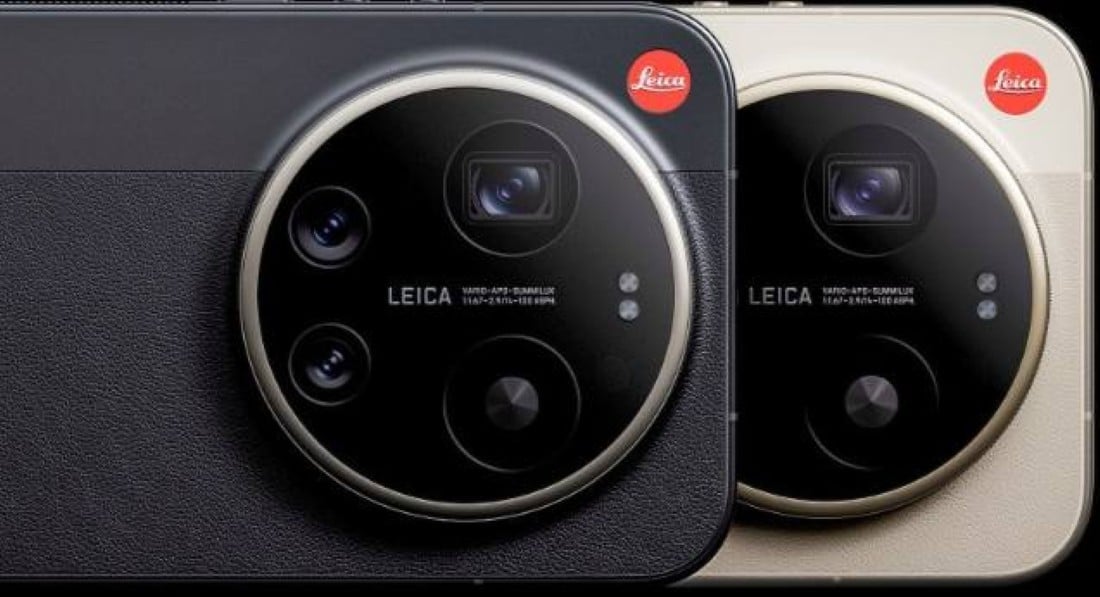
With this direct implementation in the native camera app, device owners will no longer need to resort to third-party programs or complex manual settings to get high-quality shots on a daily basis. Simply swipe the screen to access a gallery of premium filters and automatic light adjustments that operate in real time before you even shoot. Although there is an obvious physical limitation in the sensors of more affordable models compared to the top of the line, artificial intelligence compensates for these hardware differences by delivering a final result with a professional appearance and vibrant colors.
Unique image profiles and filters transform the photography experience
The update package introduces two main calibration signatures that drastically change the way light is interpreted by the smartphone’s photo sensor. The first option, called “Leica Authentic”, preserves the naturalness of the scenes with a more dramatic contrast and marked shadows, ideal for those looking for a documentary aesthetic and extreme fidelity to the original scene. Já a alternativa “Leica Vibrant” ajusta a saturação para os padrões modernos das redes sociais, entregando fotografias mais iluminadas, cores saltadas e uma dinâmica visual que dispensa edições posteriores em aplicativos de tratamento de imagem.
In addition to the primary color profiles, the interface gains additions inspired by the era of analog photography, bringing back the nostalgia of traditional films that marked generations of photographers. One of the biggest highlights is the sepia filter, which warms the composition with characteristic yellow tones, while the monochromatic option focuses on the purity of black and white with smooth gray transitions. All this processing is accompanied by in-depth optimization for nighttime environments, reducing unwanted grain and ensuring that details hidden in the shadows remain visible even with little lighting available in the scene.
Installation procedures and software release schedule
The distribution of this package of improvements occurs gradually through the OTA (Over-the-Air) method, ensuring that the manufacturer’s servers are not overloaded and that system stability is maintained during the global process. Eager consumers can check the availability of the new version manually by accessing the phone’s settings menu and searching for the specific system updates tab. To avoid critical failures during the rewriting of camera drivers and possible data corruption, engineers strongly recommend that the download be done exclusively via Wi-Fi networks and with the smartphone’s battery at least 50% charged.
Although the manufacturer has not yet published a definitive document with all the devices covered by the new feature, the technology market’s expectation is that the vast majority of devices running the current operating system will receive the update in the coming weeks. The release schedule must encompass a wide range of products, organized into the following main categories:
- Xiaomi 14 premium series and its direct derivatives focused on high performance.
- Redmi Note line of intermediaries, known for its strong cost-benefit appeal.
- Poco X and Poco F models, aimed at gamers and speed enthusiasts.
The final compatibility of some heavier functions will depend on the processing capacity of each specific chip, but the company’s guideline is to cover almost its entire active portfolio in the global market.
Impact of the partnership on the global smartphone market
The strategic alliance between the Chinese giant and the legendary German brand reinforces a growing trend in the technology sector, where camera software becomes the main purchasing decision factor for the average consumer. With the definitive transition to the HyperOS environment, the Asian manufacturer is able to unify its ecosystem in an unprecedented way, moving away from the old optimization flaws that marked its past interfaces and creating a unique photographic identity.
The arrival of these elite photography tools on entry-level cell phones puts direct pressure on competing companies to raise the bar on their own native image capture apps. The movement consolidates the view that computational photography, combined with strong partnerships with traditional brands, is the true competitive differentiator in the current generation of mobile devices aimed at the general public.