
Tom Holland and Zendaya are again targets of deepfake with misuse of AI

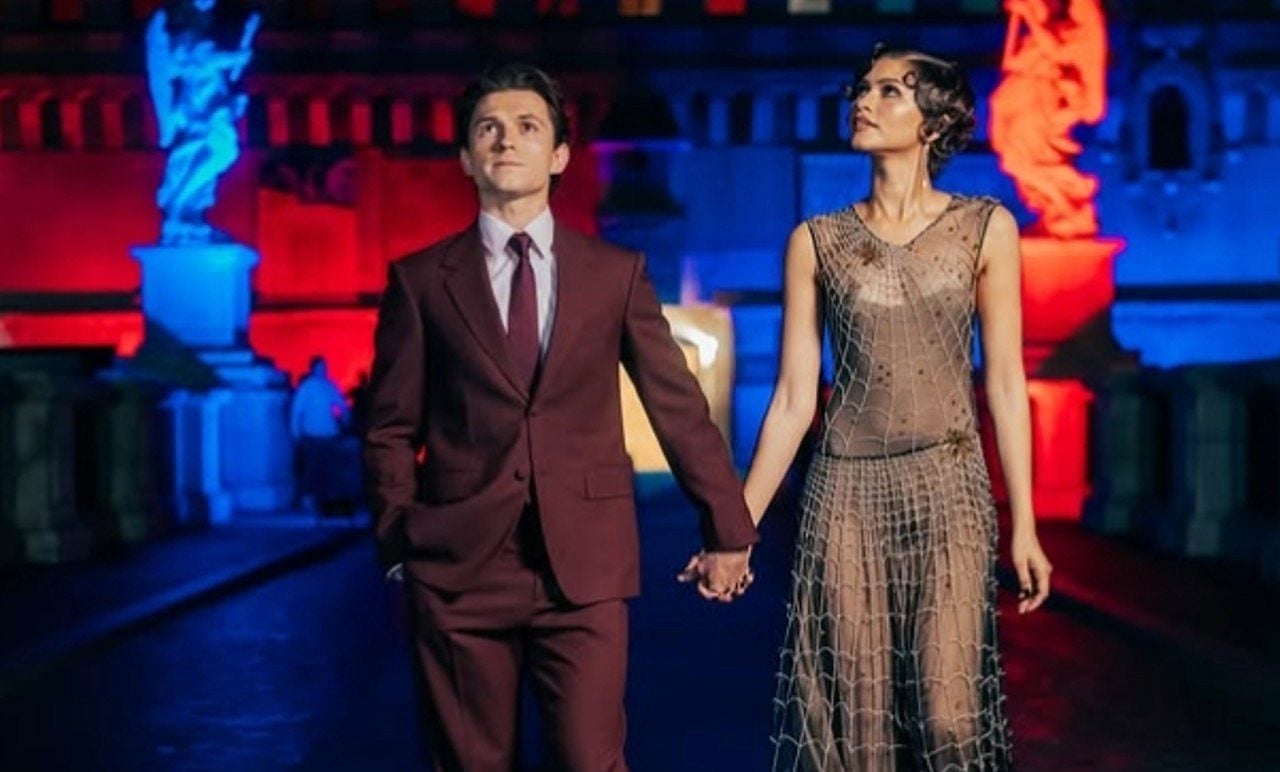
Actress Zendaya, famous for her roles in Hollywood, once again found herself at the center of a wave of speculation on social media. On August 7, 2026, an image generated by artificial intelligence (AI) was widely circulated, falsely showing her with a pregnant belly alongside actor Tom Holland, her partner. The manipulated photo quickly spread across platforms such as X (formerly Twitter), Instagram and TikTok, sparking unfounded rumors that the couple were expecting their first child.
The demystification of photos and the reality of digital fame
Despite its rapid dissemination, the image was promptly identified as fake by several users and sources. According to a person close to the couple, “there is a whole parallel universe of fake ‘moments’ being created for Tom and Zendaya.” The source added that the public has been led to believe in events such as actors getting married or pregnant, “and all of this is generated on a screen.” In a previous report, Tom Holland himself even joked that his grandmother believed the fake photos of his wedding, thinking that she hadn’t been invited.
The impact of artificial intelligence on the entertainment sector
The increasing sophistication of artificial intelligence tools has reshaped the way fame and rumors are constructed online. A photo agency industry expert said dozens of manipulated photo shoots are tracked weekly. He exemplified how a single day of filming in London can be transformed into “three different ‘exclusive’ chapters in a celebrity’s life” thanks to the intervention of AI. This scenario highlights the difficulty in distinguishing reality from fiction in a digital environment increasingly saturated with artificially generated content.
The misinformation cycle and the pressure on celebrities
When the public is convinced of the authenticity of a fake image, they often feel entitled to demand explanations from celebrities. One social media researcher noted that this behavior fuels a harmful cycle. Public figures are then forced to speak out about events that never happened, just to correct the facts and try to control the narrative. This phenomenon demonstrates how misinformation can create unfair and unnecessary pressure on those who live in the spotlight.
How AI redefines privacy and trust online
The proliferation of fake images marks an inflection point in the way fame, intimacy and trust are perceived in the digital age. Industry experts say this episode involving Zendaya and Tom Holland is one of the most prominent examples of how AI is quietly redefining the industry. Unlike traditional gossip or tabloids, AI enables the creation of compelling visual content at scale, making verifying the truth an even greater challenge for the public and celebrities themselves.
Tips for identifying content generated by artificial intelligence
- Check the original source:Look for where the image was first posted and who shared it. Be wary of anonymous posts or profiles with a history of disseminating dubious information.
- Look for visual inconsistencies:AI-generated images may have minor defects, such as extra fingers, unusual skin textures, unrealistic lighting, or distorted backgrounds.
- Cross information:If a piece of news seems extraordinary, look for confirmation from multiple credible news sources before believing and sharing.
- Analyze the context:Ask yourself whether the information aligns with known public behavior of the person or event.
- Use verification tools:There are software and websites that can help detect manipulations in images and videos, although they are not infallible.





