Google Pixel 11 Pro gets smart lights for calls and artificial intelligence
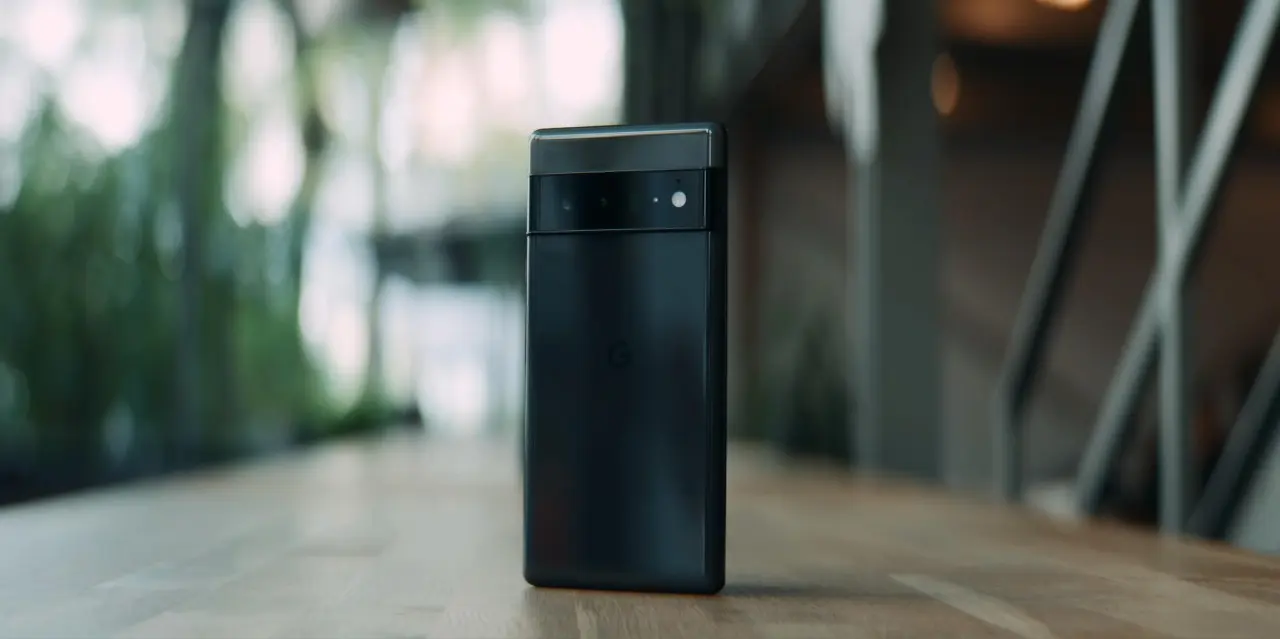
The mobile phone market awaits with great anticipation the arrival of Google’s new line of smartphones, scheduled for the company’s traditional hardware event. Although recent leaks point to a generation with more conservative updates in terms of processing and even possible reductions in RAM capacity, an unprecedented detail promises to capture consumers’ attention. It is a lighting system integrated into the back of the device, designed to transform the way users interact with daily alerts and reduce constant dependence on the front panel.
Lighting system on the camera bar revives classic visual interactions
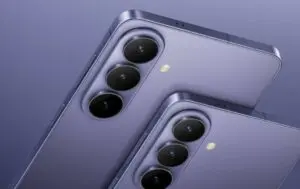
Commercially named Pixel HiLight, the tool circulating behind the scenes under the development codename “Pixel Glow” represents the main design innovation bet for this season’s Pro variants. The mechanism consists of a lighting strip embedded directly into the rear photographic module, creating a visual bridge between the physical hardware and the Gemini artificial intelligence assistant. This approach is reminiscent of the old notification LEDs that dominated Android cell phones in the past, in addition to rivaling modern solutions on the market, allowing the owner to know what is happening on the device without having to touch the screen.
More on this story: Google’s new Pixel 11 and 11 Pro set directions for the future of smartphones
The exact understanding of how this technology will operate on a daily basis became clearer thanks to a thorough investigation into the internal files of the search giant’s own applications. During the latest update to the company’s contact management software, independent developers discovered hidden programming lines that detail the practical workings of the luminous novelty, revealing an intense focus on customizing the user experience.
Contacts app reveals advanced customization for incoming calls
The discovered code fragments mention the term HiLight directly and confirm that the integration will be deep with the operating system’s phonebook. The main functionality revealed so far is the ability to assign specific bright tones to selected people, creating a unique visual identity for when family, friends or co-workers call. This way, all it takes is a quick look at the back of the phone resting on a table to identify who is trying to establish contact at that exact moment.
See Also

Michigan serial killings result in six deaths, including US suspect

7.7 magnitude earthquake destroys buildings in Indonesia and triggers tsunami warning
Videos of the 7.7 earthquake in Indonesia reveal damage and panic in Asia
The configuration interface promises to be very intuitive, offering clear commands for the consumer to shape the light emission according to their personal preferences and accessibility needs. The texts extracted from the application reveal exactly what options will be presented on the Android settings screen, demonstrating granular control over visual notifications.
Learn more: Galaxy S26 FE will have its price adjusted at its launch by Samsung
- Dedicated option to activate the light alert exclusively for numbers marked as favorites in the phonebook.
- Individual color palette assignment tool for each person saved in the phone database.
- Global management panel that allows you to apply lighting rules to all contacts simultaneously.
- Smart suggestion system with the possibility of discarding color recommendations for specific contacts.
Diverse color palette and integration with artificial intelligence
To ensure that customization is really useful and noticeable in different environments, Google engineering implemented a very varied chromatic spectrum in the rear module hardware. Homeowners will be able to choose from vibrant hues that include blue, cyan, green, orange, pink, purple, turquoise, white and yellow. However, preliminary advertising materials suggest that the component will not limit itself to flashing a single static color, but will display fluid animations and dynamic combinations depending on the level of urgency of the notification.
One of the points that generates the most debate among technology experts is how the brand’s virtual assistant will use this physical resource during voice commands. Behind-the-scenes information indicates that more complex multicolored patterns can be uniquely activated when the user is interacting with Gemini and the smartphone is positioned screen-side down on a surface. If this restriction of use is confirmed at the official launch, many analysts consider that it would be a waste of the aesthetic and functional potential of the luminous tool.
Expansion of the light resource beyond telephone calls
Limiting such an elaborate hardware structure to just phone calls would go against the usability and integration philosophy of the Android ecosystem. Mobile device industry professionals point out that the HiLight architecture is being built to support a wide range of operating system alerts. The technical expectation is that the programming interface will be capable of interpreting data from third-party software, such as instant messengers and social networks, triggering different colors for each application and transforming the back of the device into a complete, silent and highly customizable notification center.