
Chery Group announces arrival of six cars priced below R$120,000 in Brazil

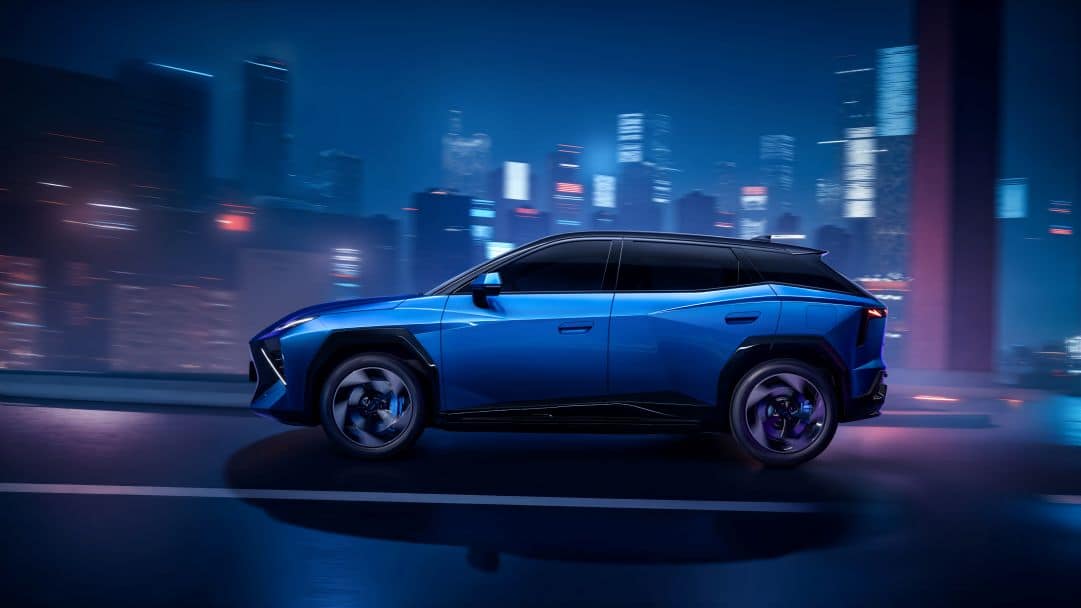
The Chery Group plans a significant expansion in the Brazilian automotive market, with the introduction of six new popular vehicles. These models will have estimated prices between R$80,000 and R$120,000, and will be sold through four of its brands: Omoda, Jaecoo, Lepas and iCaur.
The company’s ambitious goal is to reach the mark of 500 thousand cars registered annually in Brazil by the year 2031, foreseeing the presentation of other brands and launches of new models in the coming years.
The management of these six vehicles will be the responsibility of the Omoda & Jaecoo division. However, complete details about the operation of the Lepas and iCaur brands have not yet been released, and are expected to be presented by the end of August 2024.
Chery aims to focus on developing compact models, with a length of less than 4 meters. This category has become relevant in the Brazilian market due to its accessibility and suitability for the urban environment. In 2025, the automaker had already expressed its desire to create ten smaller vehicles for subsequent years.
Previously, the project covered four models measuring around 4.20 meters, as well as even more compact cars measuring 4 meters and 3.80 meters in length.
This market strategy includes the distribution of new products among the group’s various brands. 4.20 meter vehicles would be launched under the Chery, Omoda, Jaecoo and Lepas banners. The most compact models, measuring 4 meters and 3.80 meters, would be available from different brands, with Jaecoo being an exception in one of the categories.
One of the cars already identified is the Omoda 4, which was shown in April 2024 at the Beijing Motor Show. The launch of this compact SUV in Brazil is scheduled for the end of 2026.
At the same event in China, the Omoda 2 and Jaecoo 3 were confirmed. Although the arrival of both is assured, specific technical details about these two cars have not yet been revealed. The project is expected to include several engine options, such as combustion engines, conventional hybrid systems (HEV) and fully electric versions.
Regarding the Omoda 2, a source close to Omoda & Jaecoo informed that the vehicle will be a hatchback with an adventurous design. It will hit the market to compete with entry-level compact SUV models such as the Chevrolet Sonic, Fiat Pulse, Renault Kardian and Volkswagen Tera.
Chery’s strategy for distributing models among its brands
One of the approaches analyzed by the group is the reuse of models originally created for the Chery brand, adapting them for sale in other countries under different banners. The three vehicles initially destined for Chery, for example, can be launched in global markets under the iCaur brand, replicating a tactic already employed by the manufacturer.
Chery has a habit of adjusting its main brand products to suit specific divisions in different markets. This allows the portfolio of offerings to be expanded without the need to design an entirely new car for each of the brands.
Development of new platform for compact cars in focus
Part of the work on the new line of compact cars is being carried out in France, where the Chery Group maintains a research and development center focused on global projects for Omoda and Jaecoo. This strategic change is directly linked to the performance of brands in important markets, such as Europe. Peter Matkin, head of engineering at Chery in Europe, stated that, initially, the company prioritized larger SUVs, following a global trend. However, there was a perception of the need to enter smaller segments.
Matkin said the lack of vehicles under 4 meters in length meant the company was losing a considerable share of the European market. For this reason, a new platform dedicated to compacts is being developed, with the launch schedule advanced due to the high priority given to the project.
Competition in the market with BYD and Geely is the target of Chery
This initiative signals a notable transformation in Chery’s strategy. Until recently, the manufacturer paid little attention to compact cars, even in China. However, the entry-level electric car segment today is largely dominated by companies like BYD and Geely, which offer a wide range of small models at more affordable prices.
Chery itself has already begun to respond to this situation with the introduction of new products. One example is the QQ, an electric hatch that aims to attract consumers interested in compact vehicles, but with a more refined approach.
In the Brazilian context, the arrival of the six new models in the R$80,000 to R$120,000 range would position the group in a market segment that is still little explored by Chinese automakers that have intensified their presence in the country in recent years.





