
Skies of August 12, 2026: Total solar eclipse, meteor shower and rare northern lights


On August 12, 2026, astronomy lovers will be treated to a rare spectacle, as a total solar eclipse will coincide with the notable Perseid meteor shower and an unusual possibility of aurora borealis in some regions. This combination of celestial phenomena promises unique moments for observers in the Northern Hemisphere. The date marks a convergence of events that does not happen often, uniting three attractions in the sky in a single period.
The alignment of the celestial bodies will create an extraordinary day, especially for those in the path of totality of the eclipse. The presence of the meteor shower would already be a noteworthy event, but the rare chance of an aurora borealis further enhances the uniqueness of the occasion, offering a truly impressive scene.
The 2026 total solar eclipse and its path
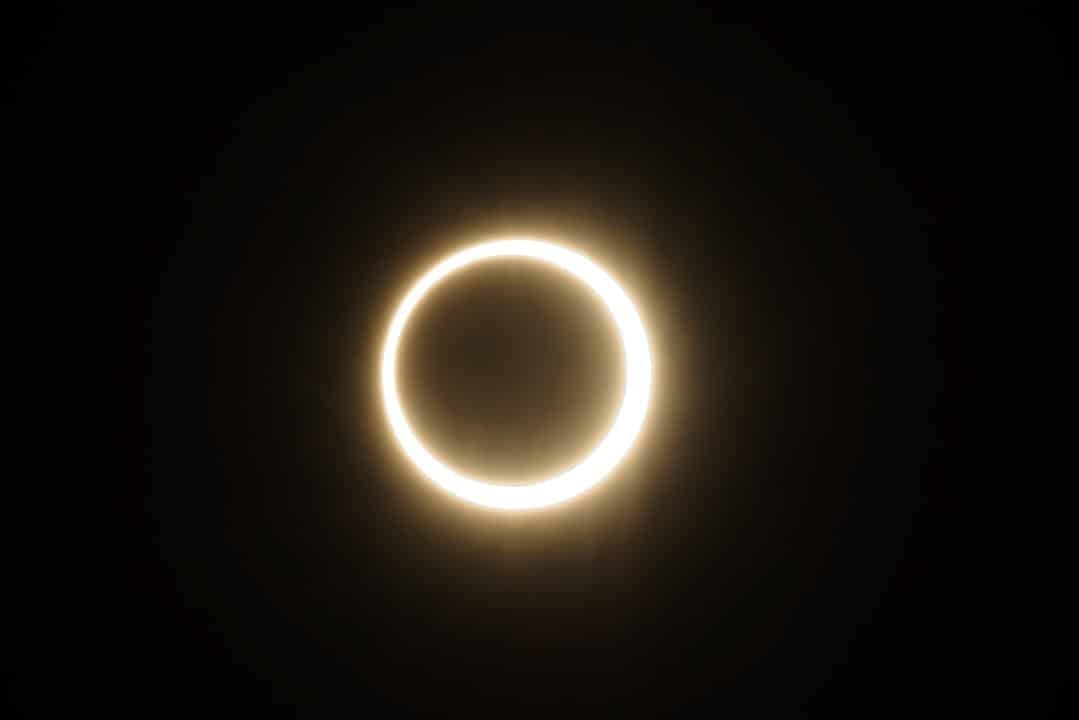
The long-awaited total solar eclipse of August 12, 2026 will be visible in its entirety in some parts of Europe and a small strip of Greenland. The Moon’s shadow will pass over countries such as Spain and Portugal, providing a complete darkening of the Sun. For other areas, the event will be observed as a partial eclipse.
The total phase of the eclipse will last considerably, allowing a detailed observation of the solar corona. Astronomy experts are already preparing expeditions to privileged locations, where the night sky will be present for a few minutes during the day.
Perseid meteor shower: an annual spectacle
The Perseid meteor shower, known for its intensity and beauty, reaches its peak of activity annually in August. On this occasion, the debris flow from comet Swift-Tuttle promises a luminous show, with the Earth crossing the trail left by it.
Observers will be able to see dozens of “shooting stars” per hour in ideal dark conditions. Visibility of the Perseids can be a challenge during the eclipse, which darkens the sky. However, in regions where the eclipse will be partial or will not occur at all, the meteors will maintain their visibility.
Northern lights phenomenon: unusual conditions and visibility
The occurrence of an aurora borealis during a total solar eclipse is extremely rare and depends on specific conditions of solar activity. Normally restricted to polar regions, auroras form when charged particles from the Sun collide with Earth’s atmosphere.
For an aurora borealis to be visible at lower latitudes or during an eclipse, a solar storm of great magnitude would be needed to coincide with the moment of the phenomenon. This combination of factors increases the chance, albeit small, of witnessing a green or pink glow in the daytime sky in unusual areas during the darkness of the eclipse.
What to expect when observing the three phenomena
The joint observation of these three events will require preparation and favorable weather conditions. It is crucial to use certified sun protection glasses for eclipse viewing to avoid damage to your vision. For meteors and the possible aurora, the ideal is to look for places with little light pollution and adapt your eyes to the darkness.
This triple occurrence will be a significant moment for science and astronomy enthusiasts. The combination of the darkness of the eclipse, the brightness of the meteors and the chance of an aurora offers a unique opportunity to witness the complex dynamics of our solar system. The events of August 12, 2026 will certainly go down in history as a milestone in astronomical observation.





