
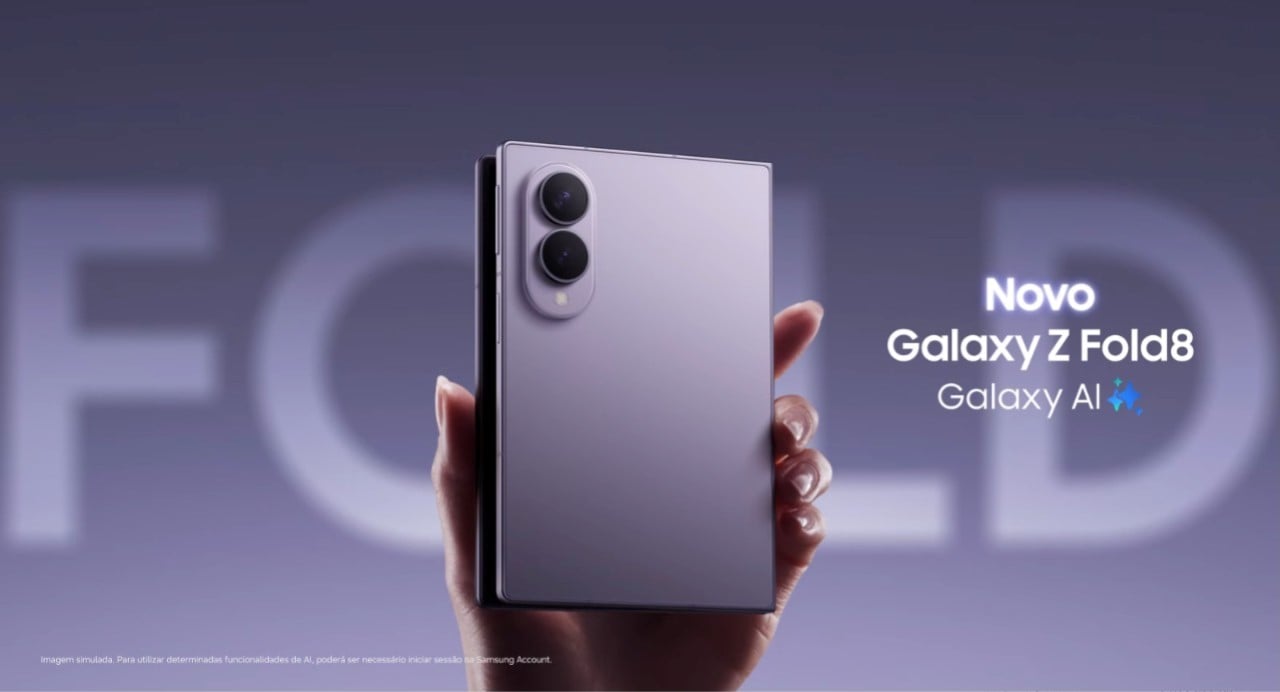
Consumers using Samsung’s latest generation of foldable smartphones in the Asian market have started to receive a package of essential fixes. Japanese telecommunications giants NTT Docomo and KDDI began, on August 7, 2026, the distribution of a new firmware aimed specifically at the Galaxy Z Fold8 Ultra, Galaxy Z Fold8 and Galaxy Z Flip8 models. The main focus of the software intervention is to stabilize and optimize the Wi-Fi connection modules of these devices, which had been showing instabilities during daily use.
Technical details about network correction on foldable devices
The data packet sent to phones directly attacks communication failures between the network hardware and the operating system. User reports highlighted difficulties in maintaining fluid navigation on home and corporate wireless networks. NTT Docomo issued a technical note explaining that the patch resolves a chronic error where certain applications suddenly lost access to the internet, even with the Wi-Fi icon indicating maximum signal in the status bar.

On the KDDI side, the official statement addressed the change more comprehensively, classifying the download as a restructuring in the wireless communication environment. This difference in description suggests that the problem affected operators in slightly different ways, depending on the software customizations that each company builds into devices sold in their stores. The installation promises to restore expected download and upload speeds to devices equipped with the industry’s latest modems.
Importance of ongoing support for high-cost smartphones
Equipment that exceeds the thousands of dollars barrier requires a quick response from manufacturers when structural failures appear. The line that encompasses the Galaxy Z Fold8 Ultra and its smaller brothers represents the top of current mobile engineering, and any hindrance in basic functions, such as internet access, generates immediate frustration. Maintaining the stability of these connections is vital to preserving the brand’s reputation in a segment where consumers are extremely demanding.
Learn more: Apple releases iOS 26 update with adjustable clock on iPhone screen
A Wi-Fi failure compromises the entire value proposition of a premium phone. Ultra-high-resolution streaming services, competitive online gaming and synchronizing large files in the cloud depend on stable bandwidth. By releasing this fix quickly, the companies involved try to mitigate damage to the image of newly launched products, ensuring that the hardware delivers the performance promised in advertising campaigns.
How the eighth generation of the Z line consolidates the flexible screen market
The maturation of foldable displays has transformed the way users interact with digital content. The Galaxy Z Fold8, especially in the Ultra variant, works almost like a pocket computer, allowing you to open three or four windows simultaneously. This level of multitasking consumes a massive amount of data in the background, making Wi-Fi reliability central to the functioning of the device’s ecosystem.
The Galaxy Z Flip8 caters to an audience focused on portability and quick content creation for social networks. Uploading 4K videos or live streams requires the device’s antenna to work without interruption. The software fix sent now in 2026 ensures that these factory features are not limited by programming bugs, keeping the models competitive against rivals from Chinese and American brands.
Correct procedure to safely download new firmware
The transition to the new version of the system requires some basic precautions to avoid data corruption. The update alert usually appears automatically in the notification center, but device owners can force it to search Samsung’s servers. The installation file modifies deep Android partitions, requiring the phone to restart during the process.
On the same topic: Apple explains why iPhone battery drains quickly after updating iOS
To ensure that the transition occurs without fatal errors that could render the smartphone unusable, information security experts recommend following a standard protocol before starting the download:
- Make sure your phone battery is at least 60% charged or connected directly to the wall charger.
- Perform a complete backup of photos, documents and conversations on cloud services or a physical computer.
- Connect the device to a private and stable Wi-Fi network, avoiding public networks that may suffer signal drops during packet transfer.
- Access the settings menu, navigate to the software tab and tap the manual transfer button if the warning has not appeared on the home screen.
Integration between telecommunications companies and Asian manufacturers
The telephone market in Japan has a particular dynamic where operators exercise strong control over the software of the devices they sell. Unlike other regions where Samsung sends updates directly to customers, NTT Docomo and KDDI need to approve each line of code before public release. This dual certification process aims to ensure that modifications do not interfere with local radio frequencies or the exclusive services offered by these companies.
More on this story: IOS 26.2.1 update destroys battery and blocks Face ID on iPhones
The agility demonstrated in this specific case from August 2026 illustrates an efficient alignment between the manufacturer’s headquarters in South Korea and Japanese networks. Resolving connectivity bottlenecks in record time avoids overloading customer service channels and reduces the number of returns in physical stores, benefiting the entire logistics and commercial chain involved in the sale of luxury devices.