IOS 26.2.1 update destroys battery and blocks Face ID on iPhones
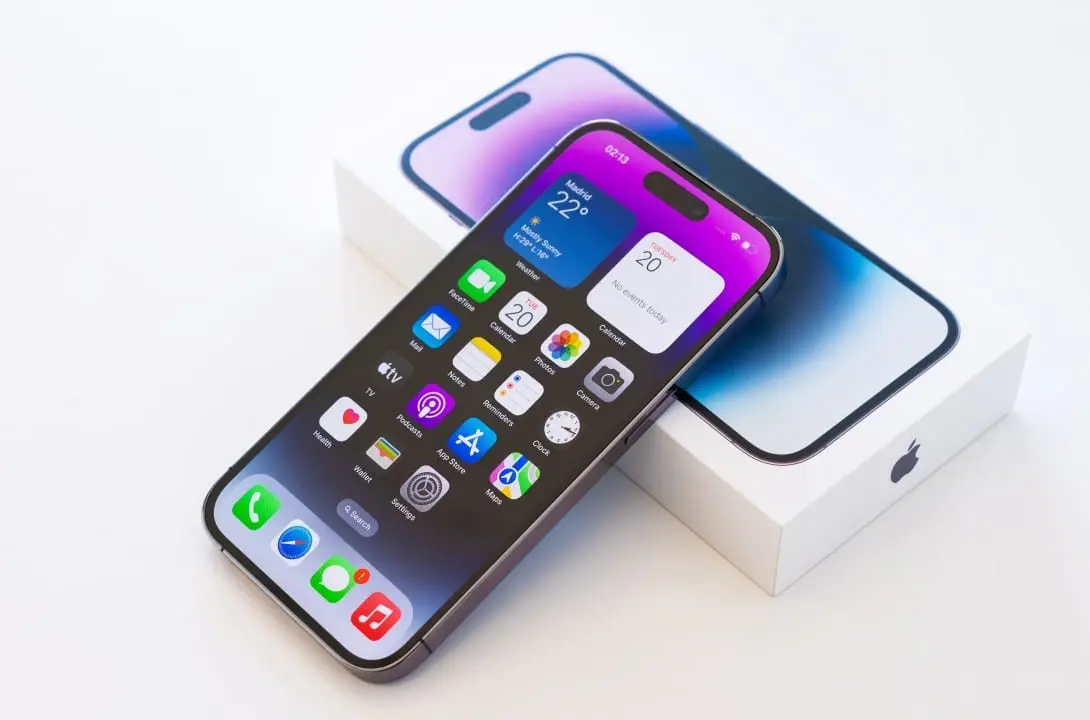
The latest software release for Apple’s mobile devices is triggering a global wave of complaints among consumers. The data package, which was supposed to bring improvements, ended up severely compromising the vital functions of the devices. Reports point to a sudden loss of charge, random restarts and the abrupt closure of essential applications. With a user base that tends to adopt new versions within the first twenty-four hours, the volume of affected smartphones is already in the millions, generating an unprecedented overload on the manufacturer’s technical support channels.
Original purpose of the package and the first signs of collapse
Initially, the programming was developed to optimize the ecosystem’s integration with the recently launched AirTag 2, promising more fluid communication. The company’s expectation was to provide location tracking with absolute stability and improve the millimeter precision of radio waves between connected objects. However, just hours after global servers released the download, technology forums and social networks began to register a flood of complaints about the general instability of the operating system.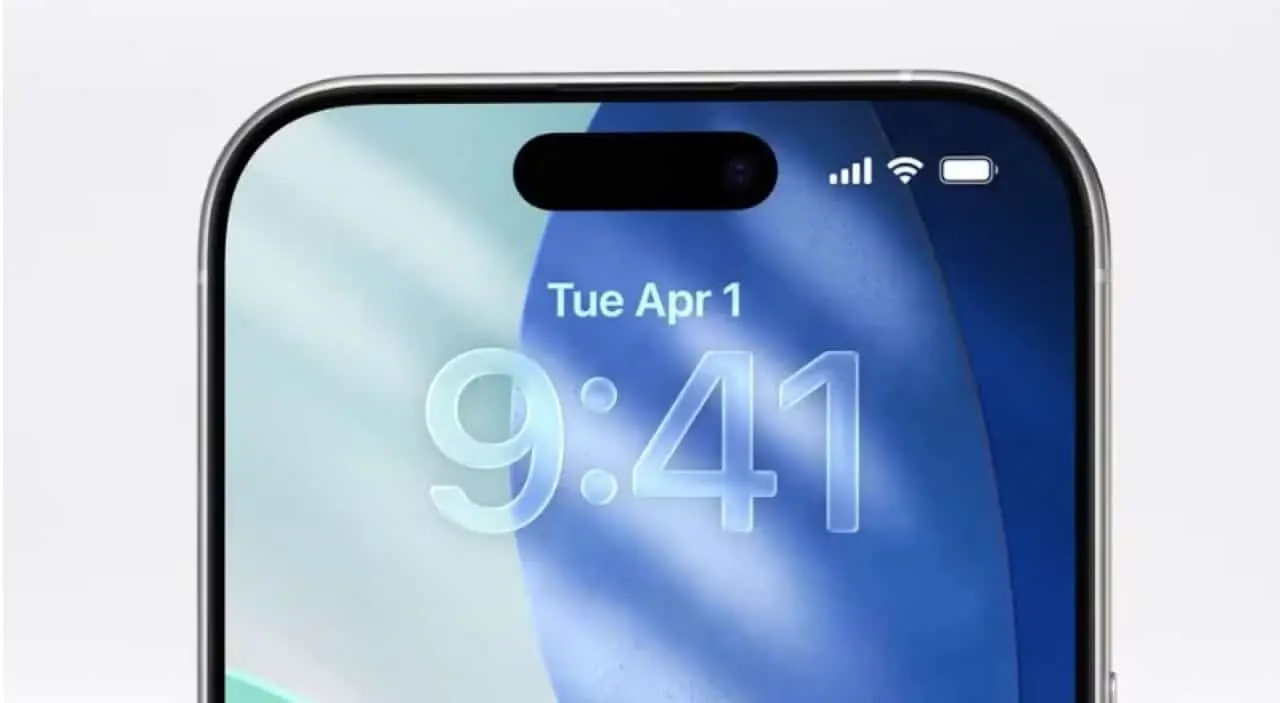
On technical support dashboards, thousands of records detail that phones behave erratically shortly after a mandatory installation reset. Experts and victims of the problem report that the touch screen stops responding to basic commands, intermittently freezing the interface. The rapid spread of the error confirmed that the failure is not restricted to a specific batch of hardware or a geographic region, showing that the root of the problem lies directly in the update’s source code.
On the same topic: Apple operating system update causes serious battery failures and blocks user access
Extreme energy drain and overheating of devices
Among all the anomalies reported, energy management emerges as the most critical frustration for the public. Equipment that previously guaranteed a full day of moderate use now requires connection to a socket every few hours, making mobility practically zero. This sudden dependence on chargers makes it impossible to use smartphones outdoors or during longer trips.
Ironically, the iPhone 17 Pro Max line, widely praised by the market for its extremely high capacity battery and energy efficiency, is among the models most affected by the software error. According to preliminary analyzes by independent technicians, the power reserve of these high-end devices drops drastically even when they are at rest on a table, without any interaction from the owner.
This rampant consumption is accompanied by dangerous heating of the physical structure, caused by background processes that enter an infinite processing cycle. When the internal temperature reaches critical levels, the phone’s own defense mechanism kicks in to prevent permanent damage to the electronic components. As a result, the brightness of the display is reduced to a minimum and the processor’s performance suffers a drastic cut, leaving navigation extremely slow.
Network outages and critical failures in biometric authentication
Connectivity has also been hit hard, with constant outages in both mobile data usage and wireless networks. Devices suddenly lose connection with home or corporate routers and demonstrate chronic difficulty in reestablishing the signal with local telephone operators’ antennas.
This instability directly affects the quality of voice calls and navigation on digital platforms, but the impact also extends to integrated sensors. The facial recognition module, known as Face ID, repeatedly fails when trying to validate the identity of the device owner. Although a forced restart can temporarily restore the biometric reading, the relief is short-lived and the error appears again.
More on this story: Apple details reason for excessive battery consumption on iPhone after installing new iOS
The manufacturer’s native browser, Safari, exhibits an equally destructive pattern of operation in relation to browsing data. While reading web pages, the application simply freezes and terminates its activities without warning, erasing the entire history of open tabs even before the operating system suffers a total collapse.
See Also

Apple’s smart watch reaches historic lowest price abroad and attracts Brazilians

Amazon surprises the market by cutting the price of the new iPad Pro M5 to US$899

Sony changes tactics in Japan and now includes a free disc player on the digital PS5
In commercial use scenarios or in times of rush, the inoperability of facial unlocking creates annoying bottlenecks, forcing the manual entry of numeric passwords. Continuous error messages pop up on the screen warning that the depth camera is unavailable, delaying contactless payments and access to banking applications.
The mysterious ghost storage bug that fills memory
One of the most bizarre behaviors documented in this version involves managing the smartphone’s internal space. The system starts to indicate that around thirty gigabytes are occupied by hidden files, instantly blocking the download of new documents, the installation of tools and even the capture of photographs. In an attempt to get around the situation, owners delete heavy videos and clean entire galleries, but the settings panel remains frozen and does not release a single megabyte. About ten minutes after restarting the cell phone, the memory full notification reappears, completely paralyzing the individual’s digital routine.
Learn more: New version of Apple’s system drains battery quickly and disables cell phone biometrics
Rollback lock prevents reverting to safe versions
To make matters worse, the developer ended the digital signature of the previous edition of the software, a standard security measure routinely adopted to prevent intrusions and keep the device fleet up to date.
This corporate policy, however, eliminated the only escape route for consumers, who are now prevented from carrying out the so-called system downgrade to a stable operating environment. Authorized technical assistance confirms that there is no alternative procedure available at the moment, all that remains is to wait for the release of an emergency correction package.
Learn more: New iPhone 18 line brings 200 MP lens and debuts long-awaited foldable cell phone from Apple
Losses in the corporate environment and drop in productivity
In the business sector, the financial and logistical impact is already beginning to be taken into account, as entire fleets of corporate phones have become useless tools. Information technology support departments report an exponential increase in ticket openings, with employees unable to perform their basic functions.
The ghost storage error prevents new work emails from loading, while connection failures knock participants out of crucial video meetings. Faced with this serious situation, IT managers from several companies issued internal communications strictly prohibiting their teams from accepting update notifications on the company’s devices.
List of major functions destroyed by code failure
Independent digital security laboratories carried out exhaustive tests and mapped the services most affected by the new system’s faulty architecture.
- Accelerated battery drain even when the phone is locked and unused.
- Intermittent and unexplained disconnections from Wi-Fi networks and 5G signal.
- Complete deactivation of the depth sensors responsible for Face ID.
- Camera app and other tools blocking due to fake memory full alert.
Silence from the manufacturer and safety guidelines for users
To date, the creator of the operating system remains silent about the exact root of the problem and has not set a deadline for distributing a definitive fix. Cybersecurity experts and carrier partners strongly recommend that people turn off automatic updates in their device settings immediately. For those who have already fallen into the trap of corrupted code, the main guideline is to avoid restoring to factory defaults; This drastic procedure does not resolve the error rooted in the software and also carries the high risk of permanently deleting files that did not have time to be synchronized with the cloud.