

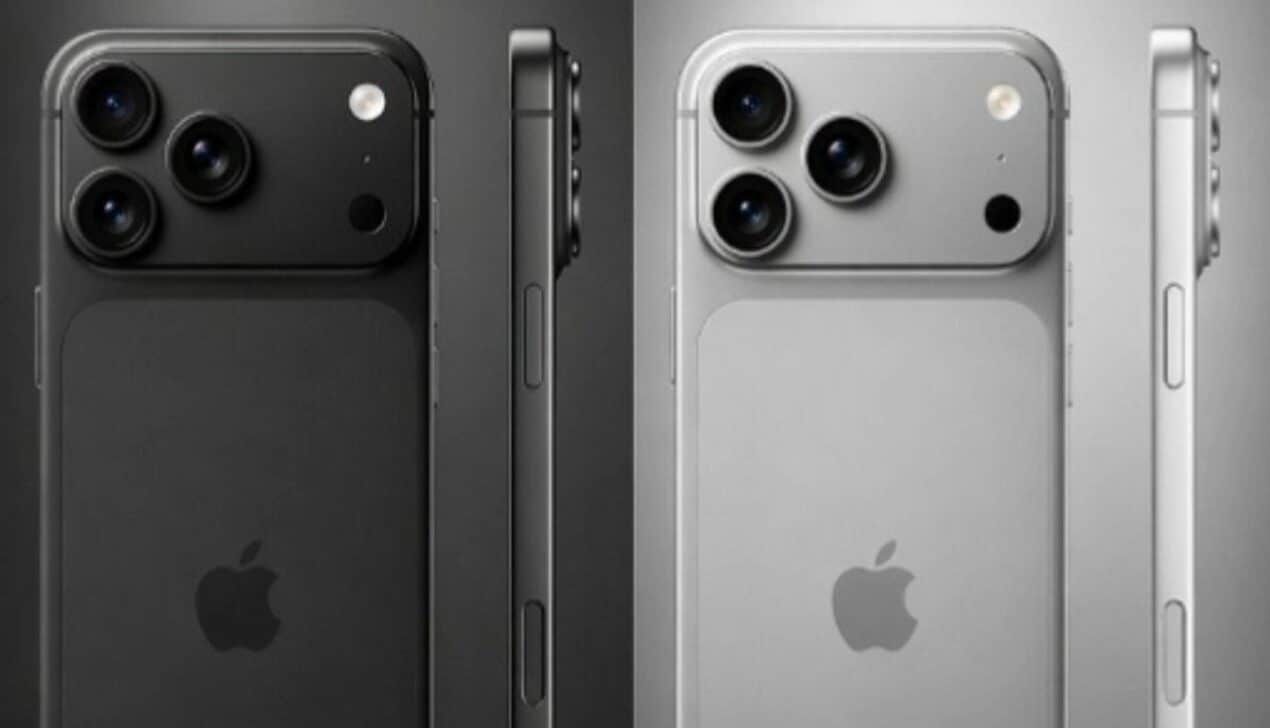
The launch of the iPhone 18 Pro line, scheduled for the next few weeks, could bring an unwanted surprise for consumers. A recent analysis, released on August 10, 2026, points to a significant increase in the retail prices of Apple’s new devices. The main reason for this increase is linked to the increase in the price of memory components, essential for the performance and new artificial intelligence features of the devices.
TrendForce analysis reveals Apple’s dilemma with production costs

On the same topic: Samsung raises prices for new foldable cell phones in pre-Apple launch
Market data shared by TrendForce shows that the Cupertino giant finds itself in a crucial dilemma: absorb part of the additional costs or pass on all of it to the end consumer. The latest material price information indicates that Apple’s profit margin is likely to come under considerable pressure. This scenario is driven by the increase in the value of DRAM memories, vital components for the operation of high-performance smartphones.
Artificial intelligence drives demand for advanced memories
The analysis details that the 12 GB LPDDR5X memory, present in future iPhones, could represent more than 40% of the total cost of the components at the beginning of 2027. This value is particularly high when compared to other important elements, such as the A20 Pro processor and the OLED screen, which should make up around 9% of the cost each in the same period. The need for high RAM capacity is fundamental to Apple’s artificial intelligence capabilities, which run locally on devices, making memory an inevitable “villain” in the production cost. The increasing integration of AI in modern smartphones increases the demand for more robust and expensive components, directly impacting the final value of the devices on the market.
Internal storage also contributes to the price increase
In addition to DRAM memory, the cost of internal storage, especially for higher capacity variants, also weighs on the production budget. Market analysts estimate that the 1TB version of the iPhone 18 Pro could add around $250 to the cost of materials. Adding the costs of DRAM and NAND (flash memory), the value of memory components alone can reach approximately US$400 per unit.
More on this story: OPPO and OnePlus readjust smartphone prices in March due to memory shortages
Projected impact on consumers: increase of up to $200
The combination of these factors points to an increase in the final retail price of around US$200 for the consumer. In previous scenarios, Apple demonstrated some willingness to absorb part of the additional costs, seeking to balance profitability with market competitiveness. However, the current magnitude of the increase in the price of memory components suggests that the company will have an even greater challenge to avoid significant transfers.
Challenges in Apple’s supply chain
The company is also facing difficulties in securing the necessary quantity of A20 chips, essential for the new iPhones. Reports indicate that TSMC, its main semiconductor supplier, is holding back chips due to a shortage of DRAM memory supplies, which is preventing the completion of assembly. This supply chain issue adds another layer of complexity to the launch, which can influence both the availability and the final cost of the product.
Main impacts of increased costs on the iPhone 18 Pro
- DRAM memory (12 GB LPDDR5X) represents more than 40% of the total materials cost.
- A20 Pro processor and OLED screen each make up about 9% of the cost.
- 1TB storage adds approximately $250 to the cost of materials.
- Total cost of memories (DRAM + NAND) can reach US$400 per unit.
- Projected increase in the final price for the consumer is up to US$200.
- Challenges in TSMC’s supply chain make it difficult to assemble A20 chips.
The situation with the iPhone 18 Pro reflects a broader trend in the technology industry, where growing demand for artificial intelligence capabilities and the complexity of the components required are driving up production costs. How Apple manages these increases could set a precedent for future product launches in the premium segment.