

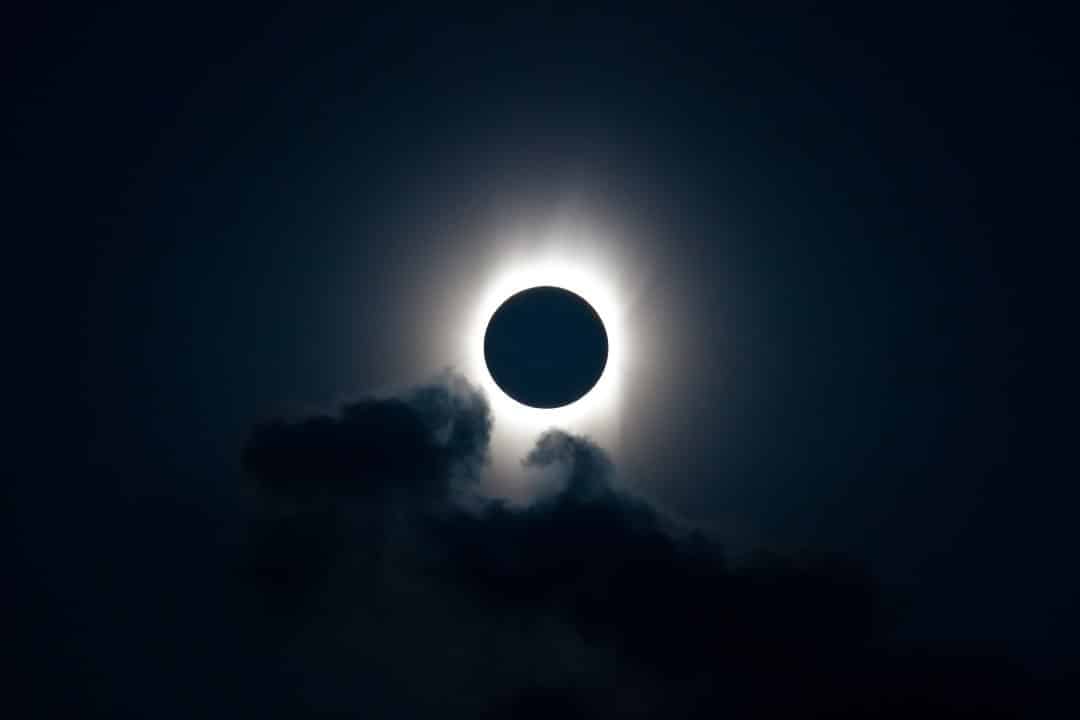
Thousands of enthusiasts in Spain and Iceland have already started preparations to observe a total solar eclipse, which will take place on August 12, 2026. The expectation for the astronomical event has generated intense movement among the populations of both countries, who are looking for the best conditions to follow the phenomenon.
The mobilization includes the acquisition of special protective glasses and planning trips to areas considered privileged. The objective is to guarantee the best possible visibility for the totality of the eclipse, a spectacle that attracts the attention of astronomy aficionados and the general public.
More on this story: 2026 total solar eclipse will cross Spain, Iceland and Greenland in August
Enthusiasm grows in strategic locations for observing the phenomenon
The race for ideal observation points intensifies in the most favorable regions. Many observers are arranging travel and accommodation in advance to secure a place in places where the darkness will be most complete. This anticipation reflects the great interest in rare celestial events, which offer a unique experience.
The history and science behind the fascination with eclipses
Human attraction to events like solar eclipses has deep roots in history. For centuries, the unexpected darkness that took over the day was interpreted as an omen, a cosmic confrontation or even a divine manifestation. Such events caused fear and admiration, shaping myths and beliefs in different cultures.
Currently, scientific understanding significantly enriches this experience. The ability to accurately predict eclipses and understand celestial movements transforms ancient fear into pure admiration for the accuracy and beauty of the universe, allowing people to appreciate the phenomenon with knowledge and safety.
Essential preparations to accompany the 2026 eclipse
For those planning to observe the 2026 eclipse, it is crucial to provide adequate equipment. The acquisition of certified special glasses is essential to protect your vision against harmful sun rays. Without the correct protection, direct observation of the sun can cause permanent damage to your eyes.
In addition to glasses, planning the observation location and time in advance can make a difference in the experience. Many enthusiasts share information and organize themselves into groups to maximize the chances of a safe and memorable viewing of the rare solar eclipse.