Photo generated by artificial intelligence fakes Zendaya’s pregnancy with Tom Holland
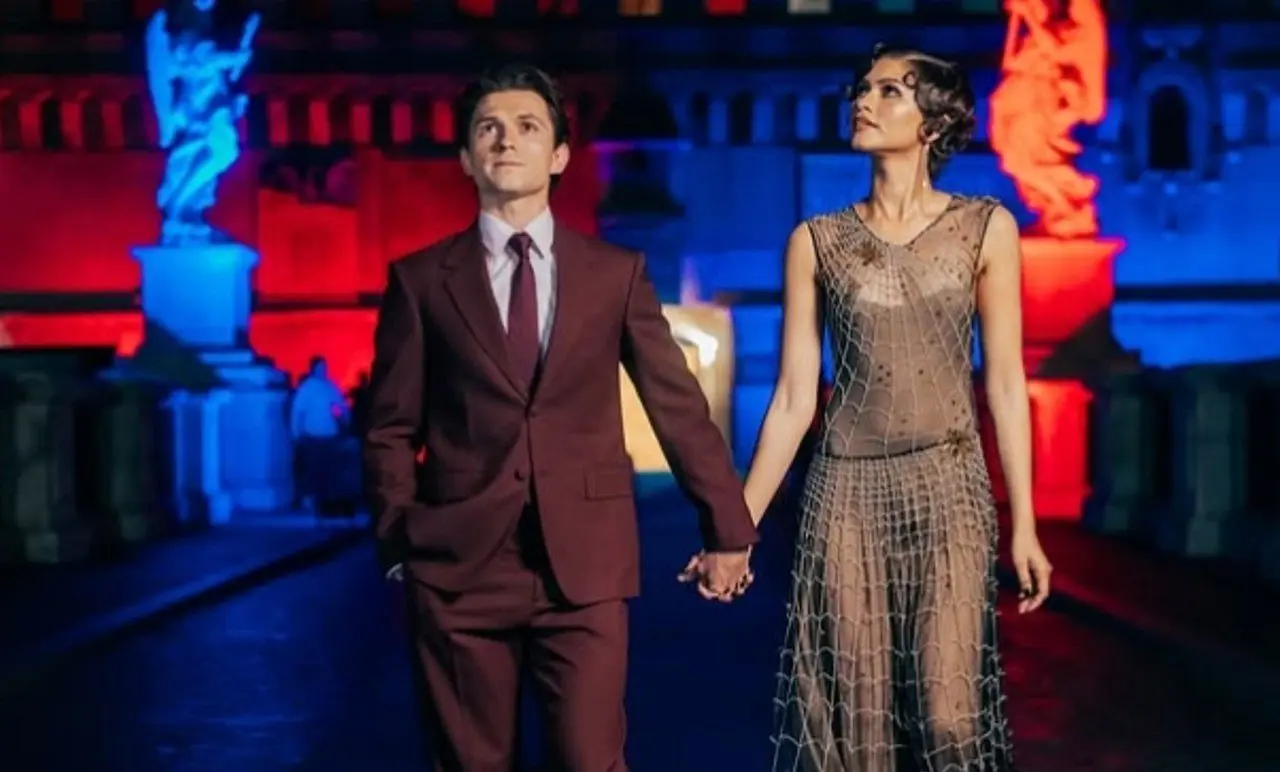
Actress Zendaya once again became the main topic on digital platforms after digital manipulation took on global proportions. On August 7, 2026, a hyper-realistic montage created by artificial intelligence tools began to circulate intensely, showing the artist with a pregnant belly alongside her boyfriend, actor Tom Holland. The forged material gained immediate traction on networks such as X, TikTok and Instagram, fueling unsubstantiated theories about the arrival of a supposed first child for the star couple.
Quick denial exposes the vulnerability of stars in the digital age
Despite the rapid spread, attentive internet users and specialized portals soon unmasked the visual fraud. A person from the artists’ inner circle reported that there is practically an alternative universe full of fabricated situations involving Tom Holland and Zendaya. The contact explained that fans are often led to believe in marriages or pregnancies that only exist on computer screens. Previously, the Spider-Man interpreter himself had already made fun of the situation by revealing that his grandmother came to believe in manipulated images of a fake wedding, becoming upset because she thought she had not received an invitation to the ceremony.
More on this story: New visual indicator of online presence arrives in the WhatsApp application in testing
Advancement of synthetic tools transforms the routine of the entertainment industry
The continuous improvement of generative algorithms has drastically changed the dynamics of image protection in Hollywood, a fear that has even motivated recent actor strikes for stricter regulations against the unauthorized use of their faces. An expert at a photography agency reported that his team monitors dozens of forged registrations every week. He exemplified that a simple day of filming on the streets of London can be distorted by algorithms to yield three unique and completely unrealistic narratives about a celebrity’s intimate life. This scenario highlights the growing challenge of separating concrete facts from inventions in a virtual ecosystem flooded with synthetic materials.
See Also

Strong coastal tremor hits Flores Island and triggers emergency sirens in Indonesia
7.7 magnitude earthquake shakes Indonesia and triggers tsunami warning in the east of the country
Preparation for asteroid impact: NASA expert highlights the urgency of planetary defense
Mandatory explanations generate emotional distress for public figures
When a significant portion of the audience takes a manipulation to be true, there is an immediate demand for official positions. A researcher focused on digital behavior pointed out that this dynamic creates a very harmful cycle for the mental health of those involved. Artists end up trapped, needing to issue statements about non-existent situations just to stop the spread of lies and regain control of their own stories. This phenomenon illustrates the disproportionate weight that misinformation places on the shoulders of those who work in the media spotlight.
Generative technology threatens privacy and destroys credibility on the internet
The flood of hyperrealistic montages represents a critical milestone in the way society views privacy and trust in the contemporary era. Technology sector analysts point out that this recent case involving Zendaya and Tom Holland works as the perfect example of how artificial intelligence silently reshapes the behind-the-scenes of fame. Unlike old gossip magazines that relied on sensationalist writing, today’s systems produce false visual evidence on an industrial scale, making the fact-checking process an exhausting task for fans and PR teams alike.
Practical strategies for identifying manipulated images on social media
- Source tracking: Investigate which profile first published the material. Be immediately suspicious of anonymous accounts or users who have a history of sharing rumors and conspiracy theories.
- Visual flaw analysis: Files generated by algorithms often present small anatomical errors, such as extra fingers on the hands, plasticized skin textures, lighting that does not match the environment or distorted backgrounds.
- Cross-checking: If a piece of news seems too shocking, seek confirmation from major media outlets. A pregnancy among global stars would certainly be on the cover of the world’s main newspapers.
- Context assessment: Question whether the image makes sense within the recent public agenda of the person portrayed or whether the setting matches the celebrity’s current location.
- Use of detection software: Use platforms and websites specialized in digital forensics, which can read metadata and point out signs of manipulation in suspicious photos and videos.