Withdrawals from Cincinnati and Canada raise Sinner and Alcaraz’s challenge at US Open
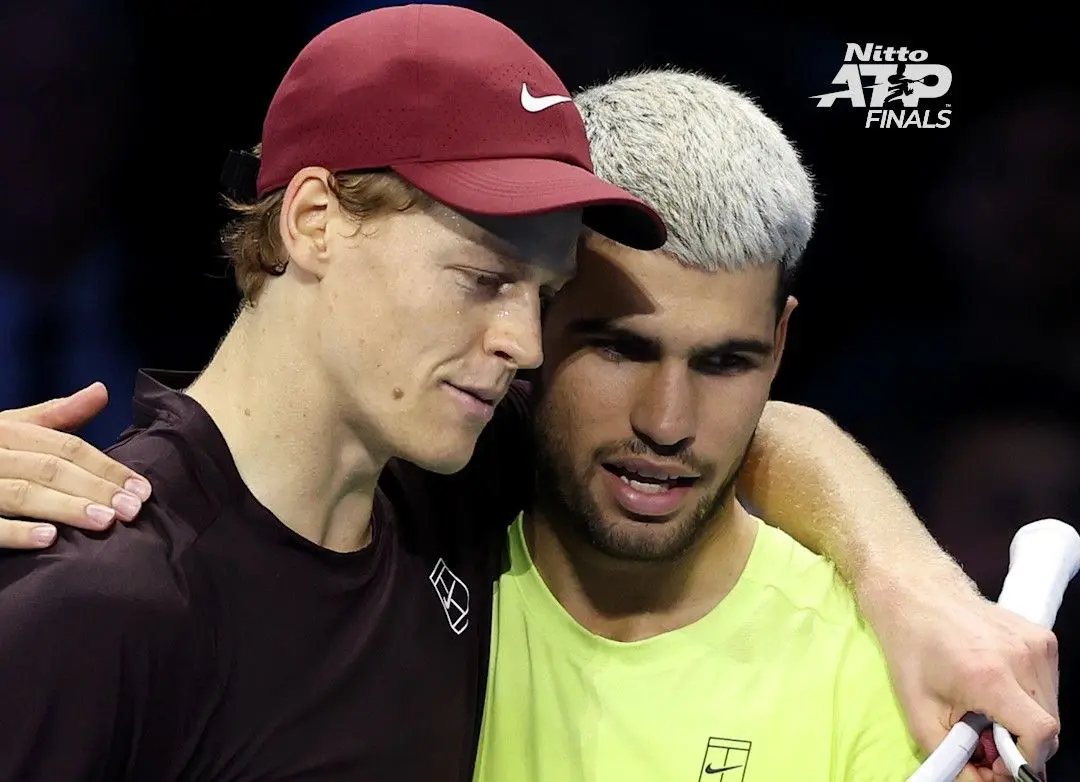
The trajectory of US Open champions over the last thirty years shows a clear pattern: all American Grand Slam winners participated in at least one of the two Masters 1000 tournaments that preceded it. Now, Jannik Sinner and Carlos Alcaraz, who occupy the first two positions in the world rankings, face this history established since the creation of the Masters series in 1990, seeking the trophy in the United States without traditional preparation. For both tennis players, this absence poses an unusual challenge and increases pressure on their performances in the final Grand Slam of the season.
Jannik Sinner, tennis number one since April 2026, has been dealing with a right knee injury. The 24-year-old Italian athlete announced on August 9, 2026 that he would not play in the Cincinnati Masters 1000. His last official competition was on July 12, 2026, when he won his second consecutive Wimbledon title, beating Alexander Zverev in the final.
More on this story: João Fonseca sets an agenda until the end of the year; see upcoming tournaments
See Also

Electrical discharge knocks man off roof in Jaguaruana after contact with power lines

Global auction raises US$11.9 million and Brazil’s historic currency reaches record value

Former fighter Prichard Colón dies at age 33 after decade in a vegetative state
Carlos Alcaraz, 23, also announced his withdrawal from the tournament on August 4, 2026. Unlike the Italian, the Spaniard did not reveal the reason for his decision. He has not participated in tournaments since April 15, 2026, the date on which he chose not to compete in the round of 16 of the ATP 500 in Barcelona against Czech Tomas Machac due to an injury to his right wrist.
Recently, Alcaraz has been sharing images of his intense training on digital platforms. At the same time, the international media released information about the progressive increase in his training load and the expectation of his return to the courts in August.
In addition to concerns about the health of the athletes, Sinner and Alcaraz’s participation in the US Open, which takes place between August 23 and September 13, could be compromised by the lack of rhythm in the game, if their presence is confirmed. Alcaraz’s current retirement, for example, represents the longest period of his career without competing, disregarding the time spent in isolation due to the Covid-19 pandemic.