
Great-nephew of King Charles III begins summer work as a farm laborer
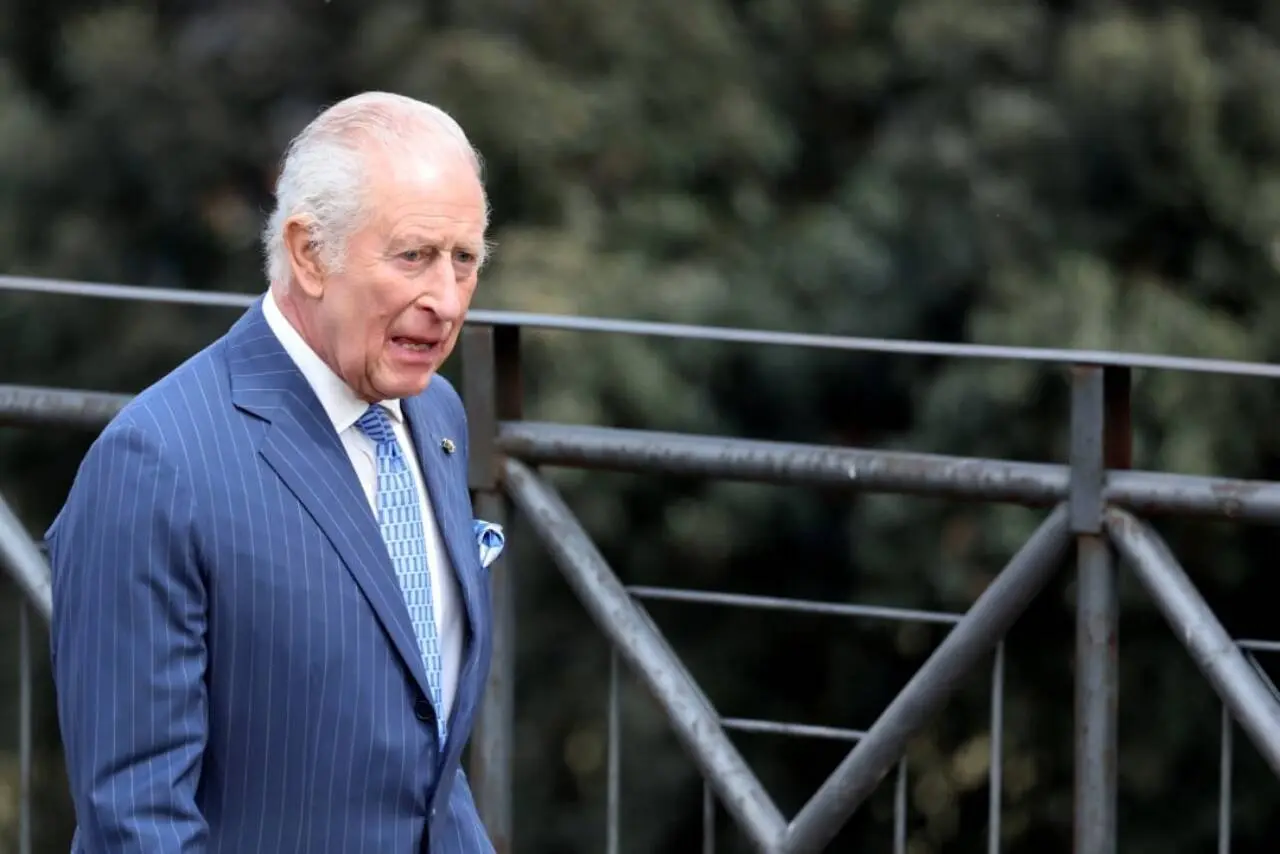
James Mountbatten-Windsor, 18 years old and great-nephew of King Charles III, chose an unusual path for his summer job, working as a farm laborer. The young man, son of Prince Edward and Sophie, the Duchess of Edinburgh, carries out his duties at the historic royal estate of Sandringham, located in the north of England, as announced on August 13, 2026. The choice is surprising for its simplicity, distancing him from the expectations often linked to members of the British monarchy.
Manual labor on the Sandringham estate
Away from the formalities and palace commitments, James dedicates himself to daily rural activities. The work involves tasks such as weeding, harvesting and helping to manage the property’s land. Sandringham, a refuge for the royal family for generations and the site of traditional Christmas celebrations, takes on new meaning by housing a member of royalty in such a practical, earth-bound role.
Full coverage: Latest News (EN)
The experience offers James a different perspective on life, far from the luxuries and privileges associated with his position. Immersion in a manual work environment can be seen as a valuable lesson in responsibility and the value of physical effort, something few from their background have the opportunity to experience before adulthood.
A paradigm shift in British royalty
James’ initiative reflects a trend seen among younger members of the British royal family. Her older sister, 22-year-old Lady Louise Mountbatten-Windsor, also opted for a more discreet and independent life, without taking on active royal titles. She recently completed her English degree at the renowned University of Saint-Andrews, the same institution that trained her cousin, Prince William.
This inclination towards more “common” experiences and the search for a professional career outside royal protocols could signal a modernization of the monarchy. By allowing its youngest members to explore different paths, the royal family seeks to connect with contemporary society, showing that their descendants can be active and productive citizens, regardless of their lineage. This adaptation is crucial for the institution’s relevance in the 21st century, reinforcing values of merit and accessibility.
The importance of work experience before university
James’ decision to work over the summer coincides with a period of transition in his academic life. He has finished his high school studies and is awaiting the results of his “A-Levels”, the equivalent of the British university entrance exam. This phase is an important step before entering university, and employment as an agricultural worker can be a way to acquire maturity and practical skills for adult life.
It is a common practice among young British people to take a “gap year” or look for summer jobs to gain experience and financial independence before starting their degree. James follows this tradition, using the period to prepare not only academically, but also personally, before facing the challenges of higher education.
Prince Edward and Sophie: a model of discretion for their children
James’ parents, Prince Edward and Sophie, Duchess of Edinburgh, are known for their dedication to royal duties, although they maintain a lower profile compared to other members of the family. They seem to have been influential in the formation of their children, encouraging them to follow paths that value personal training and experience in the real world, beyond the demands of monarchical life.
Edward and Sophie made the decision not to give their children titles of prince or princess at birth, ensuring that James and Lady Louise had the opportunity to live a life closer to normal. This choice reflects a more contemporary vision of how royals can contribute to society, balancing tradition with individual autonomy.
More news in Latest News (EN)
See more → Rockstar North adds canine waste throwing to GTA 6 worldRockstar North details dog mechanics and street combat in GTA 6
 Corporate ChatGPT users gain custom text style replicationWorkplace ChatGPT starts copying individual writing stylesTop Ukrainian prosecutor resigns following probe into vast illegal call center network schemeCalls intensify for Australia to assert foreign policy independence over extensive US military presenceSaxony-Anhalt results underscore growing momentum for European far-right parties ahead of key votesJulia Louis-Dreyfus reveals intense creative clashes shaped iconic sitcom ‘Seinfeld’s’ groundbreaking humorU.S. forces dismantle sophisticated floating drug refueling station tied to Ecuadorian narco-terror groupGiants make unexpected roster move, release longest-tenured player Darius Slayton as Harbaugh era beginsEiffel Tower closure sparks outrage as staff protest gender segregation during VIP religious group visitCanada activates massive tariffs on American imports reaching C$27.6 billion, intensifying cross-border trade spat
More news on Mix Vale
- 1Aaron Judge returns to Yankees lineup, igniting playoff push after three-month rib injury absence
- 2High-altitude tragedy: Climber perishes after fall on Aspen-area 14er summit
- 3Egyptian TV personality and 11 co-defendants condemned to death for large-scale synthetic drug trafficking
- 4PlayStation 6 component bills surge to $960 amid memory crunch
- 5AfD’s near majority in Saxony-Anhalt state vote triggers widespread concern across Germany
- 6Promotores desistem de apelo sobre confissão de Khalid Sheikh Mohammed para garantir julgamento em 2028
- 7Ejection of eight fans from Portland Thorns game sparks debate over free speech and stadium rules
- 8Christine Taylor detalha pedido de emagrecimento para interpretar Marcia Brady em filme clássico dos anos 90
- 9Investigators retrieve flight recorders after deadly Amazon cargo plane overruns Miami runway, killing five
- 10NSW Greens lawmaker urges federal party to support koala park carbon credit deal amid internal rift