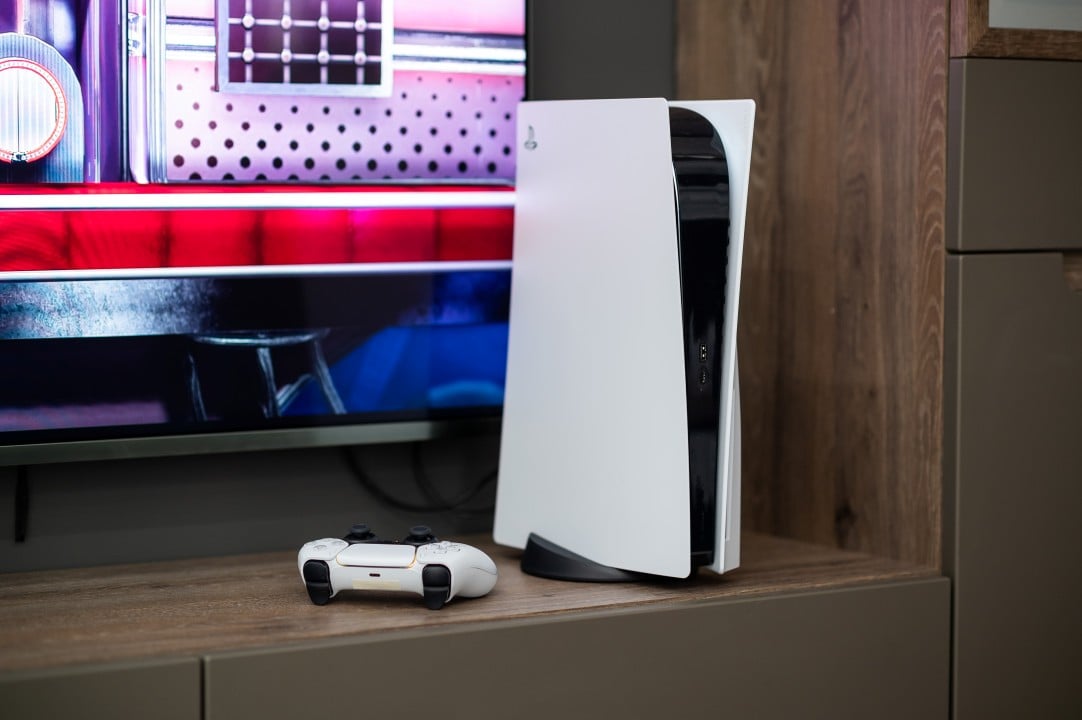
PlayStation 5 consoles purchased in the first few years after launch, approximately six years ago, are at risk of failing due to the liquid metal used by Sony. New evidence reveals that this issue, considered common, can deteriorate over time, causing the component to cause irreversible damage to the heat sink and resulting in the PS5 overheating.
The warning came after Polish technology expert Modyfikator89 examined a CFI-1116 model console, the brand’s first hardware version, identified as having a lighter heatsink. This device was frequently shutting down due to excessive temperature.
During the opening of the equipment, the professional noticed that, although the APU remained intact after cleaning, the contact surface of the cooling system was severely oxidized. It had lost its protective nickel-plating coating, causing permanent damage to the copper structure.
This problem occurs because the gallium alloy present in the liquid metal, which provides superior thermal conductivity compared to conventional thermal pastes, chemically interacts with materials such as copper if the protective shielding is compromised. With continued use, the material oxidizes, acquires a dry texture and moves, forming contactless spaces between the processor and the cooling mechanism. The absence of correct heat exchange causes the console to reach extreme temperatures, triggering the protection mechanism (thermal throttling) and causing it to shut down during gameplay.
Although the specific episode can be considered an isolated case and not a widespread manufacturing failure, several reports from owners on Reddit indicate similar problems in previous generation equipment. Interestingly, Sony itself has improved the cooling design in more recent versions, such as the PS5 Slim and PS5 Pro, incorporating microgrooves and more robust seals to contain the liquid metal.