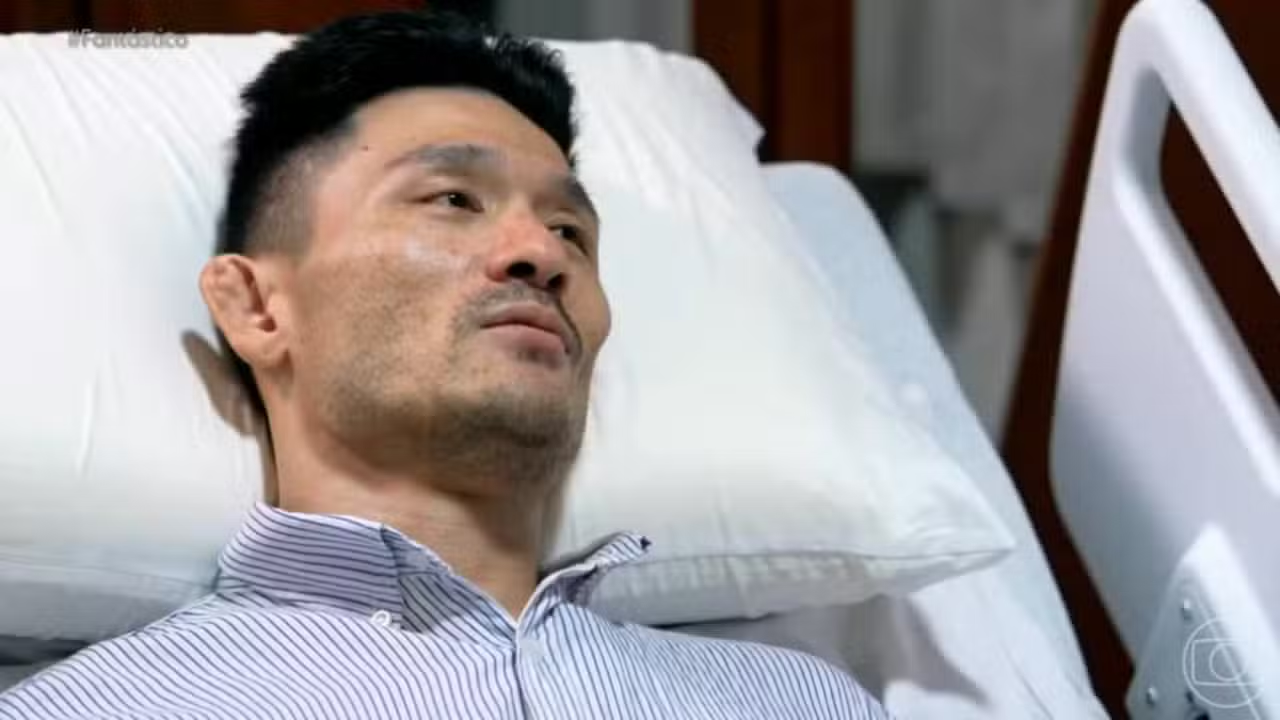
The world of martial arts dawned in mourning with the news of the death of Puerto Rican Prichard Colón, who left us at the age of 33 last Tuesday, August 13, 2026. For more than a decade, the former professional athlete fought a tireless fight for his life, dealing with the serious consequences of a head injury suffered on the stage. Confirmation of this sad loss was made public through a statement made by Richard Colón, the athlete’s father, marking the end of a long period of uninterrupted medical and family dedication. The news generated an immediate wave of solidarity among sports fans and professionals around the globe.
How illegal strikes in 2015 forever changed the fate of the undefeated fighter
The Caribbean athlete’s promising career came to an abrupt end on October 17, 2015, when he shared the spotlight with American Terrel Williams. In that fateful encounter, the Caribbean player was hit repeatedly on the back of the head, a very serious violation of the rules of the sport known as “rabbit punch”. This region houses the brain stem, a vital area that controls autonomous functions such as breathing and heartbeat, which makes the impact extremely lethal and prohibited by regulatory committees. The damage caused severe internal bleeding in the left hemisphere of the brain, causing the young man to collapse in the locker room shortly after the final bell.
Before this devastating episode, the competitor was considered a true rising star within his category. He had an impeccable record of 16 consecutive victories and was emerging as a future world champion, attracting the attention of major sports promoters. The violent interruption of his trajectory raised immediate questions about the performance of the central referee, who failed to severely penalize the opponent for repeated infractions during the assaults.
The daily challenges of rehabilitation marked by severe neurological limitations
The damage caused by the neurological trauma left the former competitor in a deep coma for 221 consecutive days, a period of extreme anguish for his loved ones. When he finally woke up from this critical condition, experts diagnosed a persistent vegetative state, which nullified any chance of a full recovery of his motor and mental faculties. To guarantee his survival and provide a minimum quality of life, a complex network of care needed to be established in his home, transforming the home environment into a true intensive care unit.
- Use of advanced technological eye tracking systems to enable basic communication, as vocal cords have lost functionality after trauma.
- Daily and intensive sessions of motor physiotherapy, aimed at combating joint stiffness, preventing pressure sores and stopping the loss of muscle mass.
- Constant neurological stimulation exercises designed by occupational therapists to keep the brain active and able to respond to simple commands from caregivers.
This entire support structure required a monumental effort from his support network, especially his mother, Nieves Colón. She took on the front line of care and began documenting her son’s routine on the internet, transforming each small advance into a cause for celebration for thousands of followers who followed the case. One of the videos with the greatest impact on digital platforms was shared in 2018, showing the former boxer responding to visual and auditory stimuli, showing that maternal love was the true engine of that unlikely and painful recovery.
The painful farewell message published by the father and former sports mentor
The responsibility of announcing the death fell on the shoulders of Richard Colón, the man who not only gave life to the boy, but also shaped his skills with the gloves since childhood, acting as his main coach. In a moving post written in Spanish on social media, the patriarch expressed the immeasurable pain of losing his son, highlighting the unbreakable bond they built inside and outside the training gym over three decades.
“Greetings to everyone. With my heart in pieces, I inform you that my beloved Prichard left this world to rest in peace. I did everything in my power to fulfill his dream of visiting our homeland, Puerto Rico, but fate did not allow this trip to happen”, wrote the former coach, visibly shaken by the irreparable loss and the frustration of not having fulfilled his son’s last wish.
Taking advantage of the visibility space, he directed words of affection to the fans who have followed the drama over the last eleven years. “I want to express my deep gratitude for every message of support and for all the prayers we have received during these difficult years. I ask that you keep our family in your prayers so that we can find comfort in this dark time”, concluded the father, receiving thousands of condolence comments from public figures and anonymous admirers.
The search for justice in the courts and the warning about safety in combat sports
While the family fought for the young man’s health at home, another war was being fought in the corridors of American justice since 2017. Lawyers representing the relatives formally sued the doctor who worked at the ringside and the company promoting the show, alleging medical negligence in the assessment of the symptoms presented by the fighter between rounds. During the fight, the athlete complained of dizziness and pain in the back of his head, but was authorized to continue competing, a decision that proved fatal a few hours later.
This litigation, which remained without a final verdict until the time of his death, raised urgent debates about the effectiveness of athletic commissions and the protection of competitors. Sports medicine experts point out that the Puerto Rican’s case highlighted the need for much stricter concussion protocols, similar to those adopted in high-contact leagues like the NFL. The main requirement is that independent doctors have absolute authority to stop fights at the slightest sign of brain damage, removing this responsibility from the hands of referees or coaches who may be under pressure for results.
The legacy of resistance left by the athlete who united the martial arts community
Despite the global commotion generated by the news, the athlete’s inner circle preferred to maintain discretion and did not disclose the specific clinical details that led to his death this week. The confirmed information only indicates that he continued to live in the United States, receiving highly complex home medical support and surrounded by the unconditional affection of his relatives until the last moments of his life, without needing to be transferred to an external hospital unit.
Prichard Colón’s story went beyond the ring ropes and became a symbol of willpower for people around the planet, far beyond the sporting niche. His trajectory highlights the dangers inherent in high-impact sports and the fine line between sporting glory and physical tragedy. At the same time, his family’s years of dedication highlight the human capacity to withstand the worst adversities when supported by a solid foundation of affection, transforming a sporting tragedy into a lasting testimony of unconditional love.