Sony changes tactics in Japan and now includes a free disc player on the digital PS5
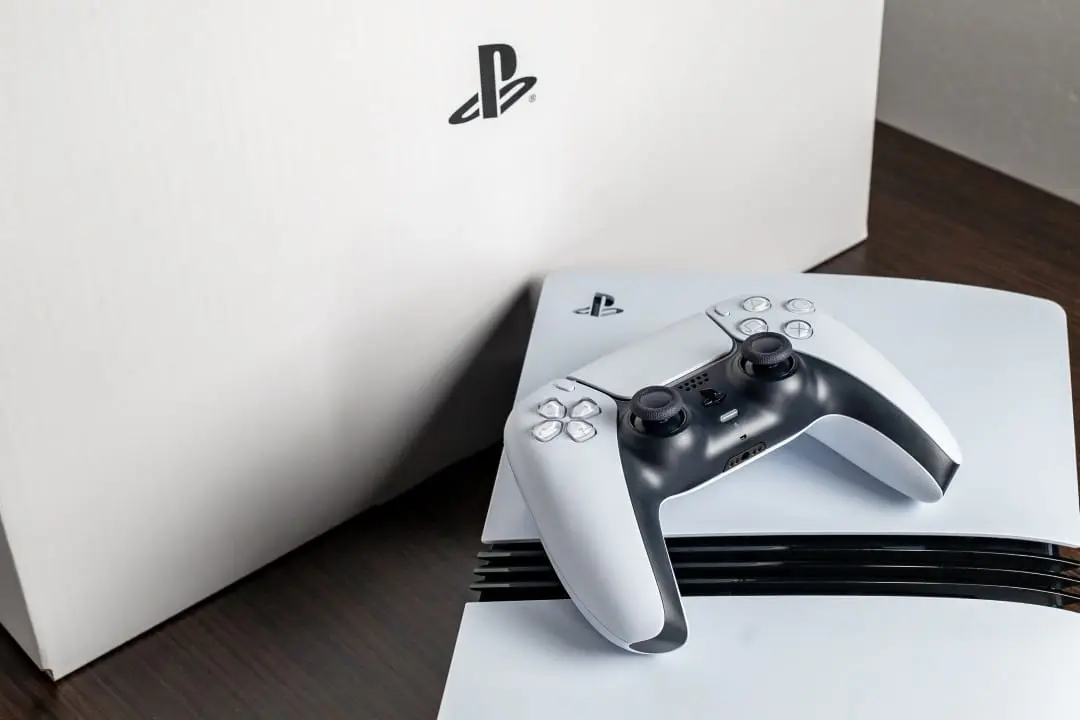
Sony Interactive Entertainment has defined a profound change in the way it markets the PlayStation 5 in Japanese territory. The manufacturer’s main objective is to facilitate the purchasing journey for local consumers, eliminating confusion between different versions of the device. Previously, customers had to choose between an all-digital edition and one equipped with an Ultra HD Blu-ray player. From now on, the optical reading component comes standard in the box, at no additional cost for those who purchase the video game. This reformulation uses the brand’s latest and lightest chassis, serving as a gateway to a more compact system. The commercial maneuver seeks to consolidate the company’s space in its country of origin, attracting a new segment of the public to the current generation of consoles by guaranteeing unrestricted access to both physical media and virtual catalogs.
This unification of the portfolio has the clear purpose of breaking down the barrier of indecision at the time of acquisition. By delivering a unique and complete package, the technology giant hopes to highlight the advantages of the PlayStation 5 to the huge base of PlayStation 4 owners who are still hesitant to make the platform transition. From a corporate point of view, working with just one main assembly line also optimizes the entire production chain and simplifies distribution logistics in retail stores.
The change of route reflects a careful reading of Asian consumer behavior, where physical retail still has immense cultural strength, unlike the accelerated transition to digital seen in the West. The manufacturer seeks to comprehensively serve a diverse audience that does not give up on the record.
On the same topic: Sony ends sales of the digital PS5 in Japan and focuses only on physical media
- Traditional players who value the tangible collection of boxes and inserts on their shelves.
- Regulars of the strong second-hand games market, very popular in Japanese retail chains.
- Families who use the device as a multimedia center to play films in very high resolution.
Financial impact of the new configuration on the consumer’s pocket
The reformulated PlayStation 5 package, with the optical reader attached, arrived on Japanese shelves costing around 55,000 yen. In the previous format, customers who opted for the digital edition and decided to purchase the reader separately later needed to pay approximately 12,970 yen additionally. The new sales policy makes purchasing the complete system much more financially advantageous, generating real and immediate savings for the buyer. This price repositioning puts the hardware on a higher competitive level, transforming it into an affordable option for those who want to move freely between virtual stores and physical media. The change saves the player from calculating future expenses on parts upgrades, making the decision to take the console home much more straightforward.
Technical specifications and visual changes to the reduced chassis
The equipment that makes up this new offering is based on the company’s most recent hardware revision, characterized by a considerably leaner profile. Nicknamed by the public as PlayStation 5 Slim, the device presents a volume reduction of more than 30% and a much lighter weight compared to the robust launch version, making it easier to accommodate on shelves and racks in living rooms. The internal architecture highlights 1 TB SSD storage, ensuring generous space for installing heavy titles and entertainment applications. The big structural difference is the Ultra HD Blu-ray player, designed in a modular way so that the owner can fit or remove the part without the need for complex tools.
Learn more: Xbox Game Pass subscription values suffer a significant drop in the market
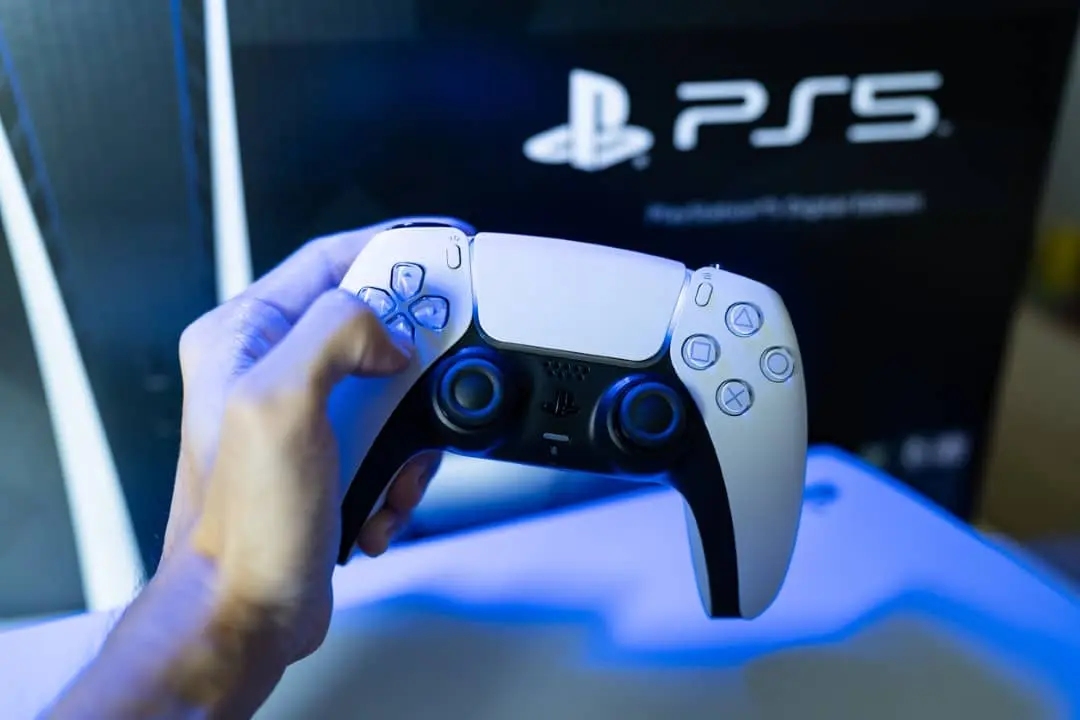
Even with the reduction in external dimensions, the machine’s processing capacity remains intact, ensuring the high level performance required by current launches. The heart of the system continues to be AMD’s custom processor, which offers native support for ray tracing technology, responsible for calculating lighting and reflections in an ultra-realistic way. The machine delivers resolutions of up to 4K and refresh rates that reach 120 frames per second on compatible televisions, resulting in extreme visual fluidity. The DualSense wireless controller accompanies the kit, maintaining the praised adaptive triggers and advanced tactile response, features that translate screen actions into the player’s hands and increase the degree of immersion during matches.
Commercial tactic focused on regaining ground in Asian retail
The standardization of the PlayStation 5 offer in Japan represents a calculated move to shield the brand’s participation in its home territory. Historically, the Asian archipelago serves as the main thermometer for the success of Sony’s gaming division, but the current scenario imposes fierce competition that requires rapid adaptations.
This restructuring of the catalog has the power to reduce bureaucracy in advertising campaigns and distribution logistics in large electronics chains. By directing all marketing efforts towards a single central product, the company is able to optimize its advertising investments and transmit a much clearer message to the end public, without dividing the buyer’s attention between different boxes.
The initiative also demonstrates a practical recognition that the physical disc still dictates many of the rules of entertainment consumption among the Japanese. By including the optical reader as a standard item, the manufacturer avoids alienating the portion of fans who resist total digitalization, respecting a strong cultural preference and ensuring that the console is attractive to absolutely all consumer profiles.
See Also

Motorola Edge 50 cell phone becomes cheaper and bets on military resistance to attract sales
Apple’s smart watch reaches historic lowest price abroad and attracts Brazilians

Amazon surprises the market by cutting the price of the new iPad Pro M5 to US$899
More on this story: PlayStation 5 owners can download two major titles for free forever
Practical advantages and long-term savings for users
The most obvious gain for those who purchase the new package is financial flexibility. With the optical reading unit already installed, the video game owner is not held hostage by the prices charged exclusively on the platform’s official virtual store.
This freedom of choice opens the door to Japan’s gigantic and traditional used games market, where stores like the Book-Off chain turn over millions annually. The possibility of buying, selling and exchanging physical media with other users or commercial establishments results in a drastic reduction in the cost of maintaining the hobby over the years.
In addition to the impact on games, the presence of the reader transforms the device into a complete media hub for the home. The component is fully compatible with 4K Ultra HD Blu-ray discs, conventional Blu-ray discs and even old DVDs, eliminating the need to purchase dedicated player devices.
In this way, the PlayStation 5 transcends the function of a mere video game and takes on the role of centralizing home entertainment. The ability to aggregate different media formats into a single device connected to the home’s main television considerably increases the perception of the product’s value by all family members.
Community reception and analysis from industry experts
Sony’s change in stance generated immediate and positive reactions among market analysts who follow the technology industry. Experts see the maneuver as an intelligent decision to unify the brand’s ecosystem, boost sales volume in physical stores and, above all, accelerate the migration of that huge portion of players who still refuse to abandon the PlayStation 4.
On social media and local forums, the response from the gaming community followed the same tone of approval. The elimination of the frustrating process of having to hunt for a separate disc player in stores, coupled with the delivery of a superior cost-benefit ratio right at the moment of purchase, earned praise for the company’s new commercial direction.
Learn more: PlayStation 5 receives three great free games with no subscription required
Preservation of old libraries and backward compatibility
The definitive inclusion of optical reading hardware reinforces one of the most praised pillars of the PlayStation 5: its ability to play last generation titles. Consumers who have accumulated dozens of boxes of PlayStation 4 games over the last decade can simply insert these discs into the new device and continue their campaigns, preserving the money invested in the past and guaranteeing a gigantic library of options from the first day of use.
Tight competition for leadership in home entertainment
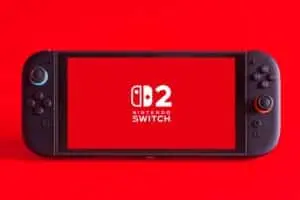
Sony’s strategic repositioning comes at a time when the Japanese video game market is experiencing one of its most competitive phases, largely dominated by the Nintendo Switch in recent years. The rival company’s device, which has already surpassed the mark of 33 million units sold in Japan alone, has built an empire based on its portability and an unbeatable catalog of exclusive franchises aimed at all ages.
To break this hegemony, the PlayStation manufacturer is betting on highlighting the abyss of processing power and the true new generation experience that its console offers. By unifying the product line and delivering the complete factory package, the company facilitates access to its cutting-edge platform, targeting both the casual gamer looking for a media center and the enthusiast who does not give up the most advanced graphics and impeccable performance available on the market.