Anonymous fan funds Thimbleweed Park 2 and frees creator from publishers
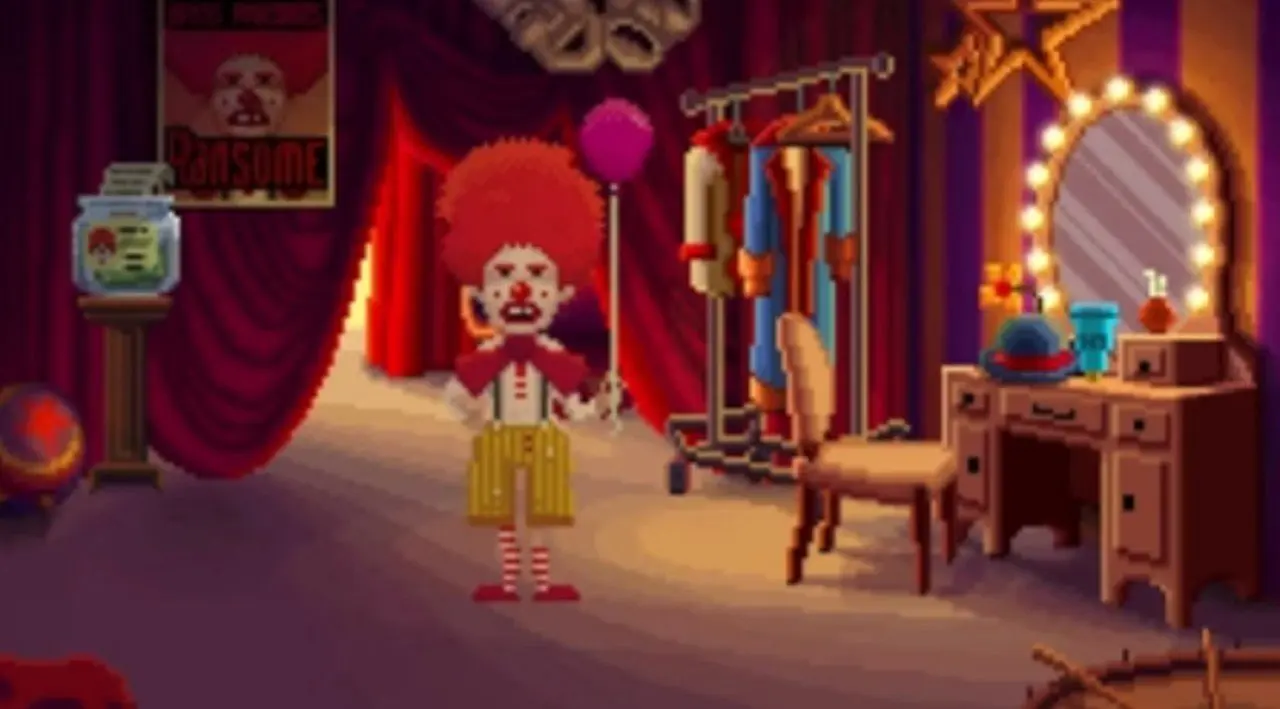
The independent game development scene has just recorded an unusual episode with the confirmation of the production of Thimbleweed Park 2. The sequel to the acclaimed mystery title is officially underway thanks to an injection of capital unusual in the current market. An admirer with high purchasing power decided to fully cover the costs of the project, allowing the creative team to work without any corporate interference. The movement takes the creator of the work away from the traditional constraints imposed by large software distribution companies.
Ron Gilbert, legendary industry figure responsible for LucasArts’ golden age classics such as The Secret of Monkey Island and Maniac Mansion, has assumed leadership of the new venture. The game design veteran opted for an alternative path after experiencing a series of stressful negotiations with industry executives. The arrival of this mysterious investor solved the main obstacle for any smaller studio: ensuring payment of the team during the years of programming and art without ceding intellectual property rights.
The budget needed to facilitate a narrative experience of this scope is not modest. The first game in the franchise required approximately one million dollars to complete, an amount that serves as the basis for the new chapter. Having this amount secured by a single individual, without the demands of a board of shareholders, represents a level of creative freedom rarely seen in the modern era of digital entertainment.
On the same topic: Nintendo confirms nine games for Switch 2 and classic model in May 2026
Behind the scenes of the unusual agreement that guaranteed the new project
The origin of the financing seems to have come from the script of one of the designer’s own works. An acquaintance of Gilbert’s, described as an ardent enthusiast of the exploration and puzzle-solving genre, took the initiative to offer financial support. The individual, who prefers to keep his identity away from the spotlight of the specialized media, closely followed the difficulties faced by the studio in the search for commercial partners.
The initial proposal was met with skepticism. The creator admitted that, at first, he interpreted the million-dollar offer as a joke between friends. The perception changed radically when the benefactor presented concrete bank guarantees, proving that it had the necessary liquidity to sustain the payroll of a development team for multiple years. The documentary evidence transformed an informal conversation into the foundation of the new title.
Before this providential intervention, the team considered returning to crowdfunding. The first Thimbleweed Park came to life precisely through a successful Kickstarter campaign in 2014, where thousands of supporters anticipated purchasing. However, Gilbert demonstrated a strong reluctance to repeat the dose, aware of the logistical strain and constant public pressure that online fundraising campaigns require from developers these days.
Frustrations with the traditional game publishing market
The decision to accept private capital came shortly after a period of great dissatisfaction with the standard industry model. The director spent months preparing presentations and participating in meetings with several game publishers. The process, in addition to consuming time that could be invested in creation, resulted in evasive responses and refusals disguised as corporate praise.
More on this story: Pre-orders for Grand Theft Auto VI get unprecedented price cut at online retail
The breaking point for the studio was the thorough analysis of the contracts offered by the few companies that showed real interest. Contract clauses revealed an ecosystem designed to minimize distributors’ risk while maximizing pressure on creators. Gilbert publicly outlined the conditions he considered unacceptable for signing any publishing deal.
See Also
Consortium led by Jeff Bezos and Eduardo Saverin buys 30% of Liverpool

Cristiano Ronaldo and Georgina’s agreement shields fortunes in official union

Disney confirms production of Kingdom Hearts animated series and reveals window for fourth game
- Requirement for full recovery of the capital invested by the publisher before any profits are passed on to the developer studio.
- Retention of a disproportionate share of sales revenue even after the initial contribution has been fully paid.
- Imposing strict confidentiality agreements that prevent creators from exposing reasons for rejections or abusive terms discussed in meetings.
The sum of these factors consolidated the view that the current system punishes those who take true creative risks. By accepting money from a publisher, the studio effectively becomes a service provider in its own creation, losing control over release dates, discount strategies and distribution platforms.
A business model focused on absolute creative freedom
The contract signed with the millionaire fan operates according to a logic diametrically opposed to the corporate standard. The agreement states that the investor provides the necessary resources, but the development risk remains Gilbert’s responsibility. In return, the studio retains all revenue generated from sales of the final product, eliminating the need to share long-term profits.
Learn more: Palworld developer curbs excitement about update and rejects use of AI
This simplified financial structure allows the team to focus exclusively on software quality. There are no delivery milestones tied to partial payments, nor the obligation to include modern monetization mechanics to please shareholders. The absence of an external marketing team dictating trends ensures that the original vision of the roadmap reaches consumers’ monitors intact.
The arrangement gains even more relevance when looking at the current moment in the technology market. With studios closing their doors and thousands of professionals being laid off monthly by media conglomerates, the security of a guaranteed budget protected against stock market fluctuations offers enviable stability for the programmers and artists involved.
Learn more: PlayStation 5 players receive three major titles for free
The enduring appeal of the point-and-click genre today
The anonymous investor’s confidence reflects a peculiar characteristic of narrative-focused adventure games. Unlike three-dimensional action titles, which age quickly as new video cards hit the market, works in the point-and-click genre have an impressive commercial longevity. The stylized art and focus on intelligent dialogue create products immune to graphic obsolescence.
Sales data for the first game corroborates this thesis. Nearly a decade after its original release, the adventure set in a quirky town continues to generate steady revenue for its creators. The discovery of the title by new generations of players, combined with promotions in digital stores, keeps the cash flow active well beyond the initial launch window.
The planning for the arrival of the new work has already been outlined. The official launch is scheduled for the first months of 2028, indicating a long and careful production cycle. Interestingly, the creators confirmed that the narrative will not function as a direct continuation of previous events, nor as a prelude, maintaining the mystery about how the new script will connect to the already established universe.