
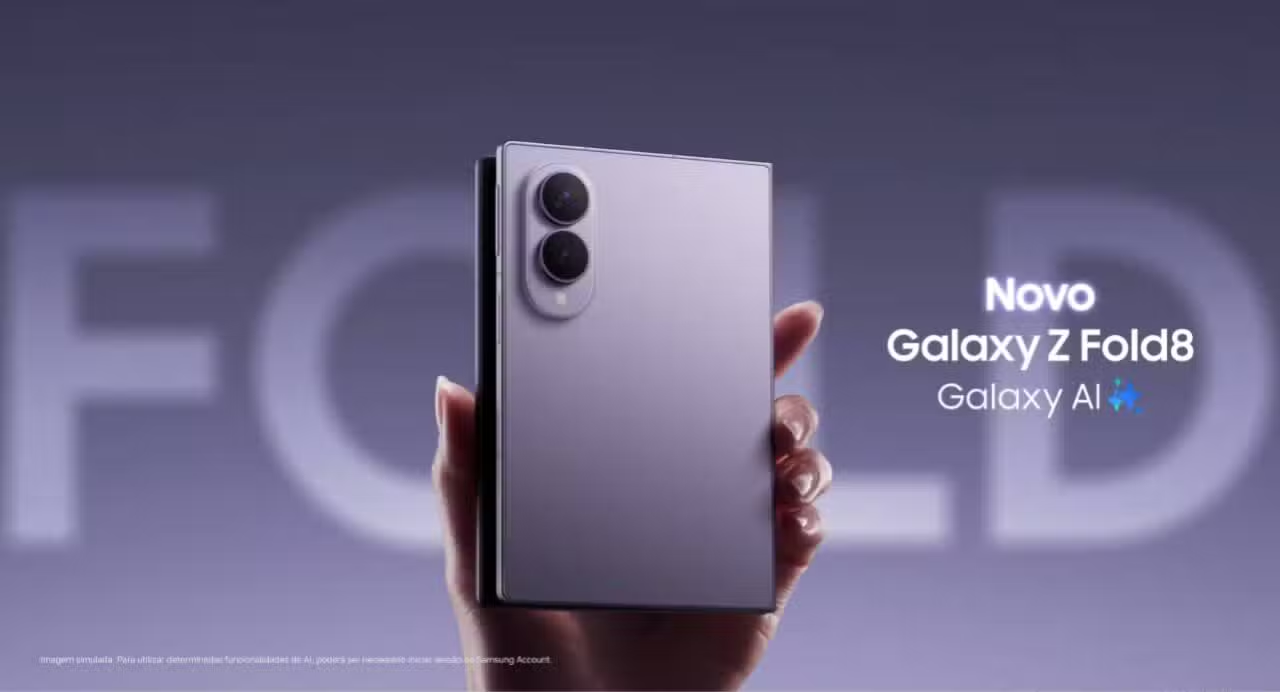
The Samsung Galaxy Z Fold8, one of the latest models on the foldable smartphone market, has undergone a rigorous teardown test conducted by iFixit experts. The verdict resulted in a repairability score of 4 out of 10, an index that signals persistent difficulties for those seeking to carry out repairs on the device. This result raises important questions about the device’s maintenance and longevity, especially after it exhibited considerable durability in a previous physical endurance test, highlighting that the ability to resist damage does not directly translate into ease of repair. iFixit’s in-depth analysis offers a detailed overview of the strengths and, most importantly, weaknesses of the Z Fold8’s design from a maintenance perspective.
The Galaxy Z Fold8 Repairability Score: Breaking Down iFixit’s Verdict
The iFixit evaluation methodology, widely recognized in the industry, classified the Galaxy Z Fold8 with just 4 out of 10 points in repairability. This note, far from being satisfactory for a traditional smartphone, demonstrates that Samsung still faces major barriers in designing a foldable device that is easily repairable. Compared to the previous model, the Galaxy Z Fold7, which scored 3 points, the Z Fold8 registered a minimal improvement of just one point. This suggests that while there is an ongoing effort to improve design, the inherent complexity of foldable technologies continues to be a limiting factor in repairability. An ideal repairability score is generally above 7, indicating that most components can be replaced without major difficulty or risk of additional damage.
Main difficulties encountered when dismantling the folding device
The iFixit team pointed to the foldable screen as the main nightmare for technicians. The complexity of the flexible OLED panel and the fragility of its layers make replacing it an extremely risky process. During disassembly, any error in removing the plastic frames could irreparably damage the OLED layer, turning the repair into a total loss of the device. Another significant concern lies in protection against external elements. Although the device has an IP48 rating, which offers some water resistance, it is insufficient against the ingress of dust and debris. The hinge, a crucial point of the folding mechanism, remains vulnerable, allowing external particles to access and potentially compromise important internal components, shortening the phone’s useful life.
What a low repairability score means for the consumer
For the end user, a low repairability score for the Galaxy Z Fold8 implies high costs and potential headaches if repairs are needed. Difficulty accessing components and the specialized nature of repairs can result in prohibitive budgets, making it often more advantageous to purchase a new device than invest in repairing the old one. In addition to the financial aspect, complexity can limit the availability of parts and the expertise of technicians outside authorized networks, forcing the consumer to depend exclusively on the manufacturer’s services, which can be more expensive and time-consuming. This scenario directly affects the perceived durability of the product and consumer confidence in the longevity of their investment.
Facilities found in maintaining the new Galaxy Z Fold8
- Standardized screws: Samsung has adopted standard Phillips screws throughout the device’s internal construction, which is good news for technicians and users with basic tools, avoiding the need for specialized wrenches.
- Removing the back cover: Initial access to the inside of the device is facilitated by the back cover, which can be removed relatively easily, speeding up the start of any repair process.
- Modular USB-C port: Unlike many smartphones where the charging port is soldered on, the Z Fold8’s USB-C port is modular. This means that, if this component fails, its replacement is more direct and less expensive.
- Pull tabs on batteries: The device’s batteries are equipped with pull tabs, a feature designed to make them easier to remove. However, experts warned that caution is needed, as these flaps can easily bend, requiring precision in handling.
Ongoing challenges of foldable smartphones in maintenance
The reality of the Galaxy Z Fold8 reflects the greater challenges facing the foldable smartphone industry regarding repairability. The search for innovations in flexible screen design and functionality often conflicts with the need for robust and easily replaceable components. Hinges, although essential, introduce points of mechanical and structural vulnerability. Additionally, the miniaturization and complex integration of multiple screens and internal components make access and handling during repairs difficult. For the repairability of these devices to significantly improve, advances will be needed not only in stronger and more flexible materials, but also in design approaches that prioritize component modularity and accessibility, without sacrificing the aesthetics or innovative functionality that defines this category.