Russian Islam Makhachev dominates Ian Machado Garry and wins main fight at UFC 330
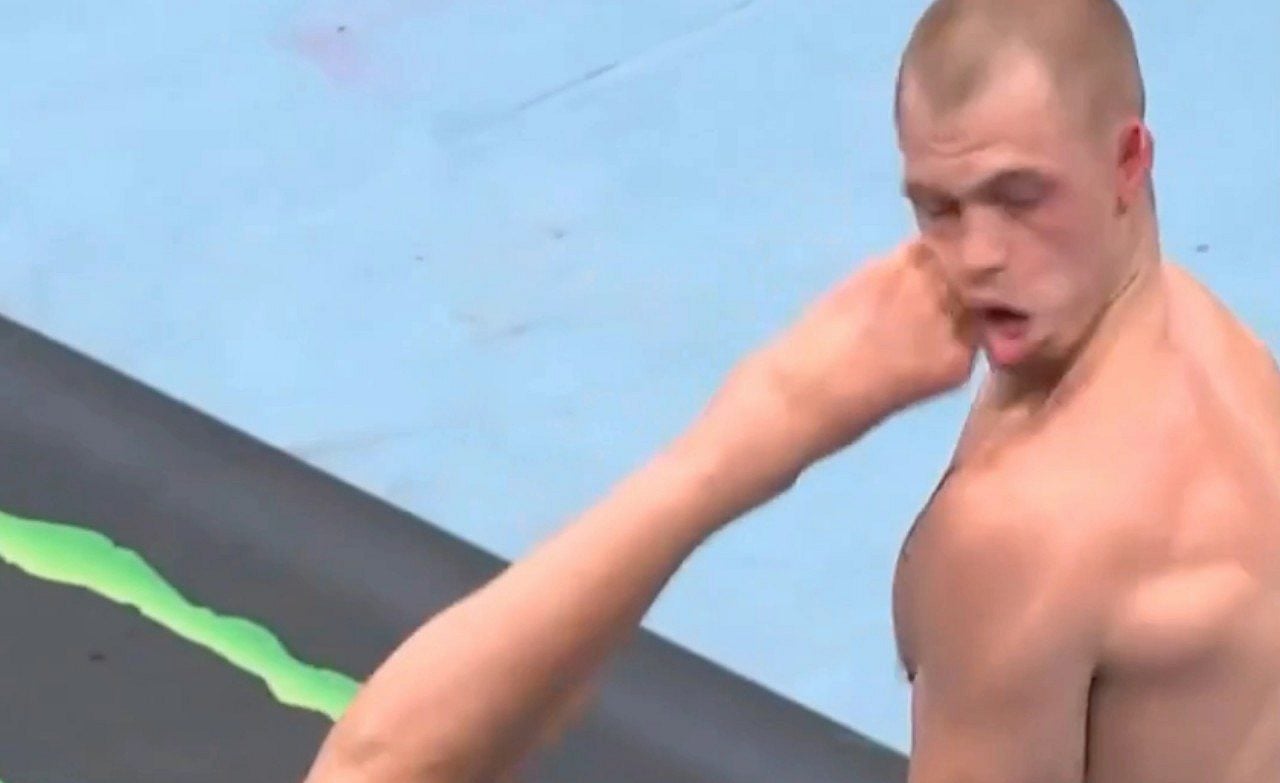
The octagon set up at the Xfinity Mobile Arena, located in the city of Philadelphia, in the United States, was the scene of a strategic and tense confrontation on the night of August 15, 2026. In a high-level duel valid for the welterweight division, Russian fighter Islam Makhachev overcame Irishman Ian Machado Garry after five rounds of intense tactical competition. The side judges unanimously scored the fight in favor of the experienced Dagens athlete, consolidating his hegemony within the organization. The main clash of UFC 330 pitted two completely different styles face to face, requiring patience, reading the fight and constant adaptation from both sides.
The expectations of the audience present in the arena revolved around how the Russian’s suffocating ground game would deal with the European’s fast striking. From the first minutes, it was evident that distance control would be the determining factor for the result. Makhachev used his vast experience in international sambo competitions to trap his opponent against the fence, looking for the exact moment to change levels and attack the legs. This methodical approach prevented the fight from turning into a lottery of open blows in the center of the cage.
Experts in combat sports point out that the transition between categories always brings immense physical challenges, but refined technique often cancels out the difference in brute strength. The positive result in this numbered event not only adds another triumph to the winner’s resume, but also sends a clear message to the other contenders for the title in the under-77 kilos division. The ability to set his pace for twenty-five uninterrupted minutes proved that the Russian’s cardiovascular fitness remains one of his most lethal weapons.
The efficiency of grappling to neutralize the opponent’s striking
Known worldwide for his excellence in grappling and absolute positional control, Islam Makhachev entered the octagon with a game plan designed to nullify his rival’s strengths. The 34-year-old athlete needed to close the gap against a considerably taller and slender opponent. During regulation time, the Russian attempted fourteen takedowns, succeeding in six of these crucial attacks. This dominance on the ground, keeping the weight on the opponent’s chest, prevented the opponent from developing his kickboxing combinations while standing.
The precision of the Dagens fighter’s attacks also caught the attention of analysts who followed the statistics in real time. Although he focused on grappling, he distributed his strikes intelligently when the action took place vertically. Official figures recorded sixteen significant touches to the head, eight to the belt and seventeen kicks to the legs. This variation in targets undermined the opponent’s movement base round after round, making any attempt at an explosive counterattack difficult.
The winner’s professional record, which boasted an impressive twenty-nine victories and just one setback before tonight, reflects a career built on tactical discipline. By keeping the opponent with their back on the mat, the risk of suffering an accidental knockout drops drastically, guaranteeing the necessary score in the eyes of the referees. Makhachev’s damage distribution, coupled with his control time from above, formed the perfect recipe to convince the judges of his undisputed superiority.
Taking advantage of the European athlete’s wingspan and resistance
On the other side of the cage, Ian Machado Garry demonstrated a remarkable ability to absorb pressure without giving in to the submission, a rare feat against submission specialists. At 28 years old, the fighter entered the event with seventeen victories and two defeats on his professional record. His strategy was based on using his 191 centimeters in height and identical wingspan to maintain the fight at long range, firing jabs and front kicks to keep the aggressor at bay.
The data from the confrontation reflects the young competitor’s offensive proposal during the brief moments in which he managed to avoid takedowns and maintain the fight in the center of the octagon. He connected fifty-three total blows out of one hundred and sixty-one thrown, surpassing the gross volume of his opponent, who landed forty-one of one hundred and forty-four. The Irishman’s highlight was the forty-four significant attacks made from afar, compared to just twenty-one from the Russian, highlighting the constant danger that his direct strikes represented.
Surviving five rounds against one of the most feared names in the franchise requires unusual physical and mental preparation. The European athlete’s defense against chokes and armbars was tested to the absolute limit, but he managed to escape the jiu-jitsu traps applied by his rival. This resilience adds an important layer of thick skin to his resume, preparing the ground for him to correct defensive flaws and return stronger for future clashes against the organization’s elite.
Significant results that moved the card in the American city
The event in Philadelphia was not limited to just the main clash, delivering high-level technical disputes that excited the public in the stands. The co-main fight of the night put two specialists in the gentle art on a collision course in the women’s strawweight division. Brazilian-American Mackenzie Dern and Canadian Gillian Robertson fought a fierce battle on the ground that also required the judges’ sheets to be read after fifteen minutes of intense action.
Consistency in dominant positions and the sharpest attempts at submission guaranteed the hand raised for Dern, who reached the mark of eighteen victories in his career, surpassing his opponent’s record of seventeen triumphs and nine setbacks. The main card also had moments of physical explosion and quick results that contrasted with the longer fights. Below are the details of the clashes that preceded the main attraction:
- In the lightweight category, American Jalin Turner needed just thirty-nine seconds of the first round to dispatch Brazilian Kaue Fernandes by technical knockout, using his strength to end the fight quickly.
- Middleweight Mansur Abdul-Malik maintained his rise in the franchise by applying a fair submission to the experienced Dustin Stoltzfus, interrupting the duel at four minutes and twenty-five seconds of the second stage.
- Mackenzie Dern’s victory over Gillian Robertson occurred by unanimous decision, consolidating the athlete as one of the main names in the race for a future title fight among women under 52 kilos.
These quick outcomes and plastic finishes offered a complete spectacle for the combat sports fans present in the arena. The event organizers praised the dedication of the competitors, who sought the fast lane whenever gaps appeared, justifying the price of tickets at the Xfinity Mobile Arena.
Future perspectives for the protagonists of the welterweight division
The absolute triumph in the United States places Islam Makhachev in an even more comfortable and legendary position within the company. His ability to dominate physically larger opponents proves that his skill set transcends the barriers of traditional weight classes. The 178cm Russian with 179cm reach makes up for any size disadvantage with impeccable takedown timing and isometric strength that drains the energy of any opponent.
For Ian Machado Garry, the points setback does not erase the shine of his recent trajectory nor diminish his marketing potential. Facing an opponent of this caliber and revealing some adjustment needs in takedown defense serves as a valuable laboratory for your technical team. His youth is in his favor, and the gain in muscle mass combined with his technical precision will keep him on the radar for big fights in the coming years.
The mixed martial arts scenario in the 2026 season requires athletes to be well-rounded in all areas of combat. The collision of styles seen in this numbered event reinforces the historic thesis that high-level wrestling remains the safest tool to dictate where the fight takes place and guarantee victories in crucial contests. It remains for striking experts to develop insurmountable takedown defenses to balance this scale in the future of the sport.