
Swarms of jellyfish force nuclear reactor shutdown in France for second year


Once again, French nuclear infrastructure faced unusual disruption. For the second year in a row, clusters of jellyfish caused the shutdown of a reactor at a nuclear plant in France. The incident raises questions about the resilience of energy installations in the face of natural phenomena, however simple they may seem.
Understand how these animals affect nuclear plants
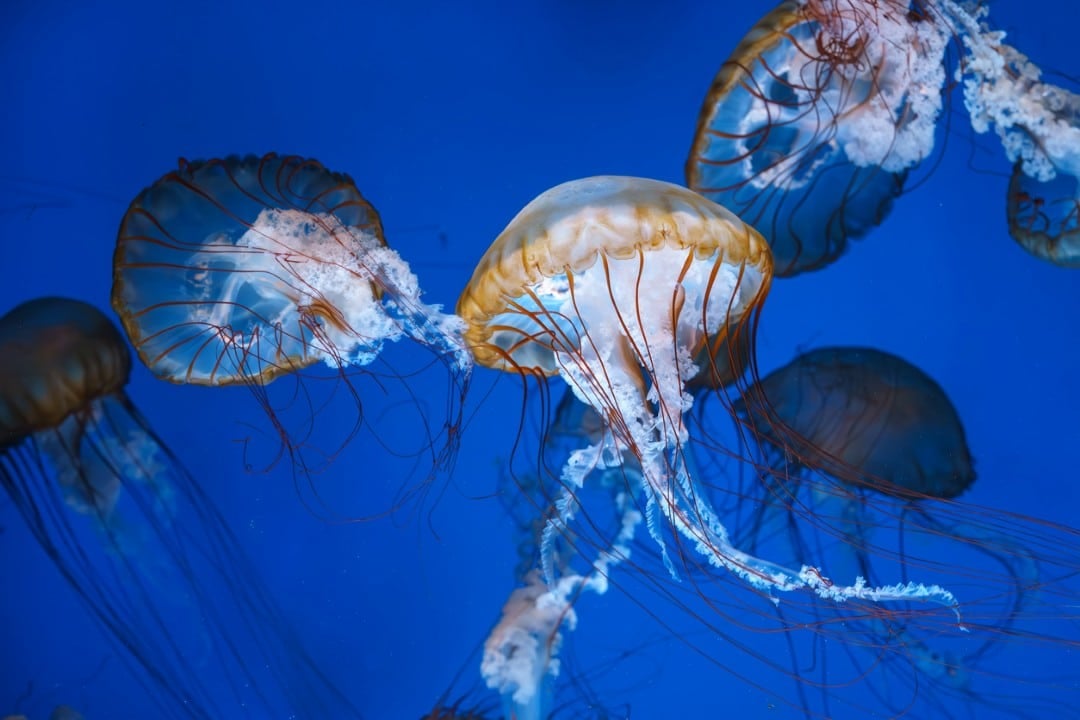
The operation of a nuclear reactor requires a complex cooling system. To prevent overheating, large volumes of water are pumped from rivers or the sea to the system’s condensers. Jellyfish, when grouped into huge swarms, can be sucked into water collection pipes. This obstruction prevents proper circulation of cooling water, forcing operators to reduce power or shut down the reactor for safety reasons.
The vulnerability occurs because bars and filters designed to block larger objects are not effective against the gelatinous mass of millions of jellyfish. They manage to cross the barriers, clogging the internal channels and compromising cooling efficiency.
The recurrence of the problem on French territory
The recurrence of the problem in France, in consecutive years, indicates that the jellyfish phenomenon is not an isolated event, but a persistent issue that demands attention. Experts note that rising ocean temperatures and changes in sea current patterns may be contributing to the proliferation and movement of these organisms to regions close to coastal installations. The French situation serves as a warning about the need to adapt the plants.
Vulnerabilities of global energy infrastructure in the face of nature
The fragility of a nuclear power plant in the face of simple marine organisms such as jellyfish reveals a critical vulnerability. This contrast between the complexity of technology and the simplicity of natural threat highlights that even the most sophisticated structures depend on basic environmental factors for their functioning. The challenge is significant, as the answer involves not just technology, but also an in-depth understanding of ecological change.
The French episode adds to a growing list of events where nature, in unexpected ways, challenges human infrastructure. The incident highlights the importance of considering different scenarios, including those that seem unlikely, when planning and operating large projects. The search for more robust and adaptable solutions to ecosystems becomes crucial.
Similar cases of plant outages around the world
Incidents involving jellyfish and other marine life are not exclusive to France. Several nuclear plants around the globe have already faced similar problems:
- Scotland (2011):Torness nuclear power station was forced to shut down two reactors after a jellyfish invasion.
- Japan (2006):Multiple Japanese reactors had their operations impacted by swarms of jellyfish, causing concern about the safety and continuity of energy supply.
- Sweden (2013):The Oskarshamn plant had one of its reactors shut down because millions of jellyfish clogged the cooling systems.
- United States:Plants in California and other coastal states have also reported problems with marine life affecting water intake.
These examples demonstrate that the issue transcends borders and points to the need for global and integrated solutions. International collaboration in research and development of more efficient protection technologies can be vital.
Implications for energy security and environmental impacts
The shutdown of a nuclear reactor, even if temporary, has significant implications for a country’s energy security. Reliance on nuclear power requires these plants to operate with maximum reliability, and unexpected outages can overwhelm other energy sources or, in extreme cases, lead to supply constraints. The financial costs associated with these shutdowns are also considerable.
From an environmental point of view, the recurrence of jellyfish swarms could be a symptom of ecological imbalances. Global warming, overfishing of natural predators of jellyfish and marine pollution are factors that can favor their proliferation. The search for preventive measures and adaptive solutions is a growing challenge that connects energy production to the health of marine ecosystems.





